
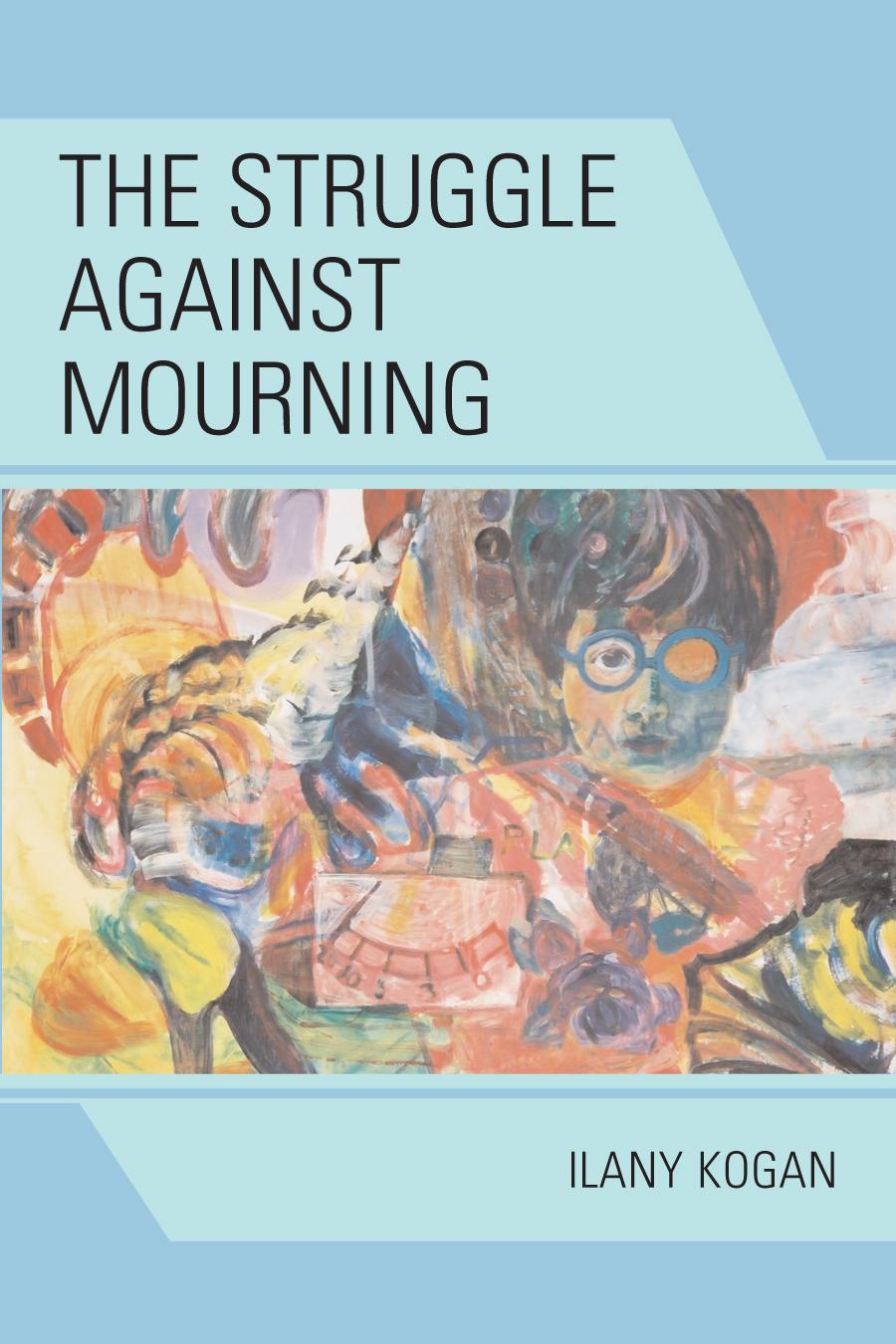
The main questions raised in this book are: How does the analyst help the patient to be in touch with pain and mourning? Is the relinquishment of defenses always desirable? And what is the analyst's role in the mourning process-should the analyst struggle to help patients relinquish defenses against pain and mourning, which they may experience as vital to their precarious psychic survival? Or should he or she accompany patients on their way to self-discovery, which may or may not result in the patients letting go of their defenses when faced with the pain and mourning inherent in trauma? the utilization of various defenses and the resulting unresolved mourning reflect the magnitude of the anxiety and pain that is found on the road to mourning. The ability to mourn and the capacity to bear some helplessness while still finding life meaningful are the objectives of the analytic work in this book.
Pay easily by card, Klarna, Apple Pay or Google Pay. Not happy? You always have a 14-day money-back guarantee. Read more in our terms. If you have any questions, email us at hello@memmo.org.
Memmo makes studying easier – wherever you are in the world. We bring your course books and smart study tools together in one place: summaries, quizzes, podcasts and flashcards. Plus Ted, your study buddy who answers anything you wonder. Over 50,000 students already study here – built to help you learn faster and stress less.