
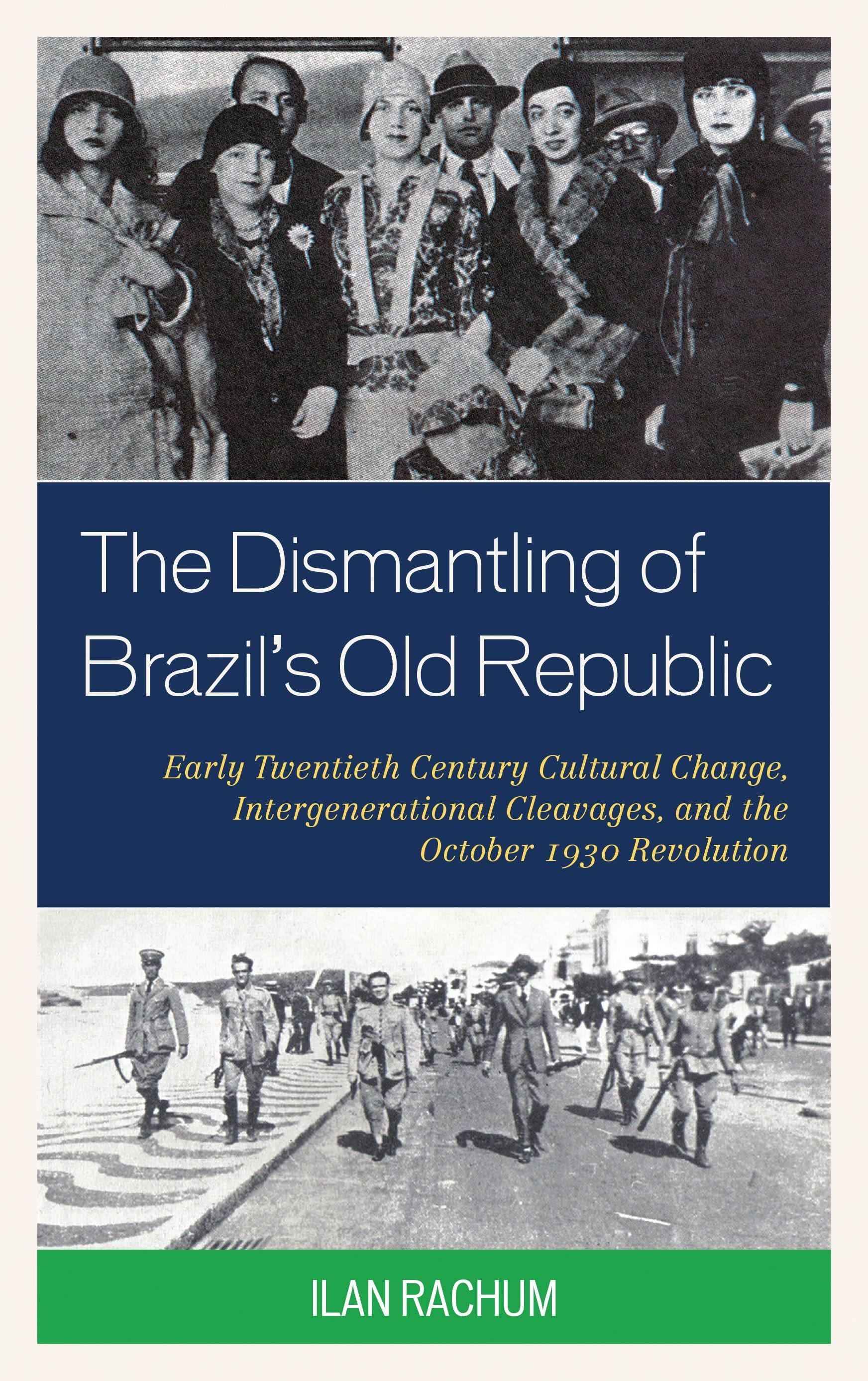
In the years 1922–1930 Brazil's political and cultural arenas were bestirred by distinct movements of protest and demand for change, forcing a great shift in the manner Brazilians perceived themselves and their country, and shaping a national climate of opinion which led to a revolution and substantial reforms. This book follows the progression of these events, with special focus on the rebelling young military officers and the modernist artists, highlighting their internal controversies and evolving ideologies. Additional coverage is given to the growing demands for change among the urban population, particularly as articulated by the daily press, and to intellectuals who expressed their opinions on pressing national problems, all of which attest to not only a change of ideas but an initial polarization into opposing and rival political currents. Unlike other historians, the comprehensive answers presented here by the author, with regard to the underlying causes of the transition, stress the impact of early twentieth century cultural change.
Pay easily by card, Klarna, Apple Pay or Google Pay. Not happy? You always have a 14-day money-back guarantee. Read more in our terms. If you have any questions, email us at hello@memmo.org.
Memmo makes studying easier – wherever you are in the world. We bring your course books and smart study tools together in one place: summaries, quizzes, podcasts and flashcards. Plus Ted, your study buddy who answers anything you wonder. Over 50,000 students already study here – built to help you learn faster and stress less.