
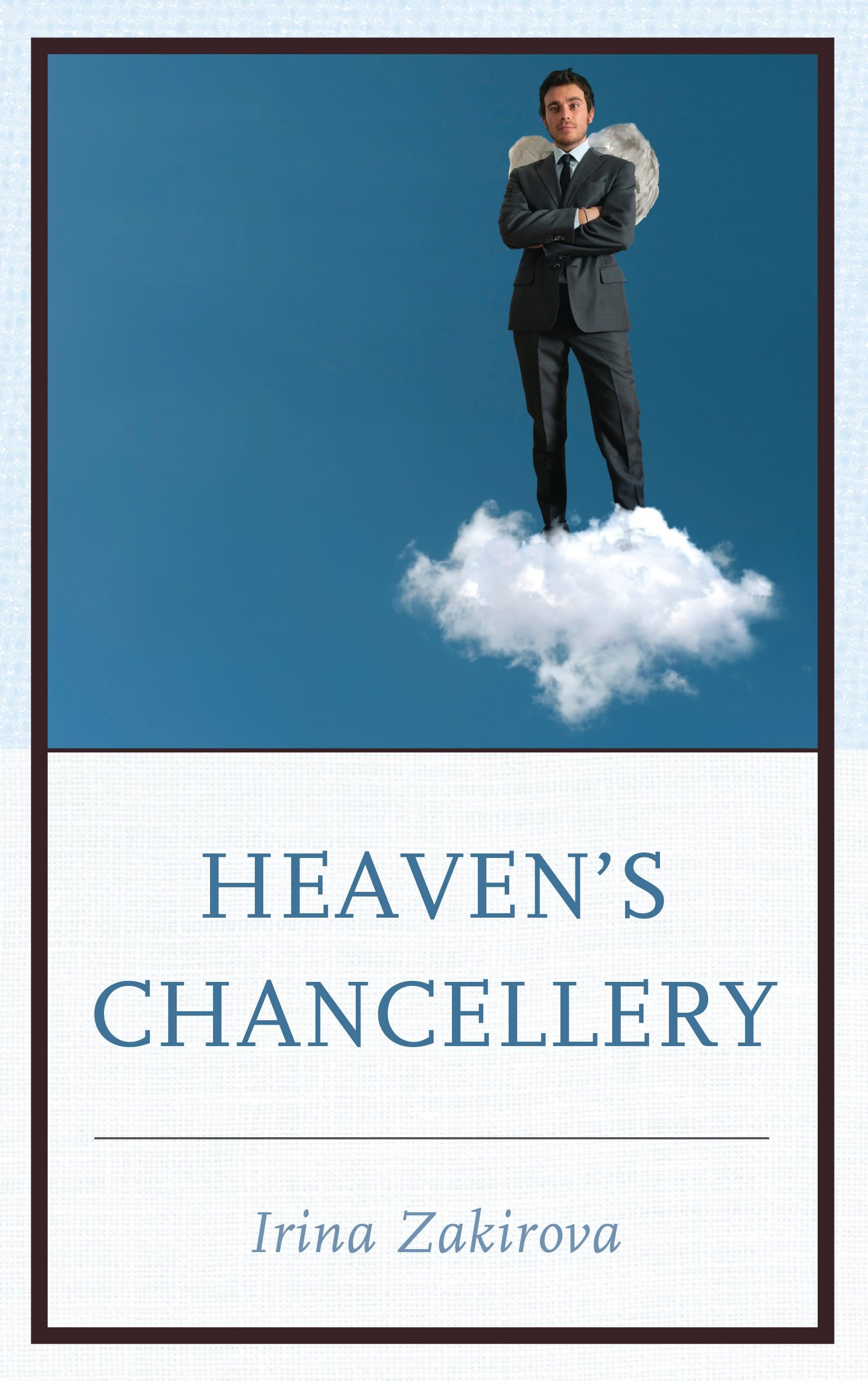
There is no universally accepted definition of moral damages, but the concept is usually understood in the context of torts that cause psychological harm to a person or a person’s rights that are difficult to quantify. Heaven’s Chancellery describes the difficulties of obtaining legal compensation for damages by victims of such moral injustice. To convey the legal impossibility of just compensation for intangible, and therefore immeasurable, damage, the author presents a fictional account of Adam, a scientist who believes the earthly judicial system has wronged him. Adam finds true compensation only when he is invited on a journey to seek justice in Heaven’s Chancellery. By utilizing a narrative fiction, the author invites a wide audience of readers to examine the complications of compensation for intangible damage. Even if moral damage is deemed impossible to fully compensate through the legal terms that we have been used for centuries, the story of Adam’s journey in Heaven’s Chancellery upholds a possibility of an alternative avenue for justice previously denied to him by the earthly convent. This book will be of interest to students of law and the general reader alike.
Pay easily by card, Klarna, Apple Pay or Google Pay. Not happy? You always have a 14-day money-back guarantee. Read more in our terms. If you have any questions, email us at hello@memmo.org.
Memmo makes studying easier – wherever you are in the world. We bring your course books and smart study tools together in one place: summaries, quizzes, podcasts and flashcards. Plus Ted, your study buddy who answers anything you wonder. Over 50,000 students already study here – built to help you learn faster and stress less.