
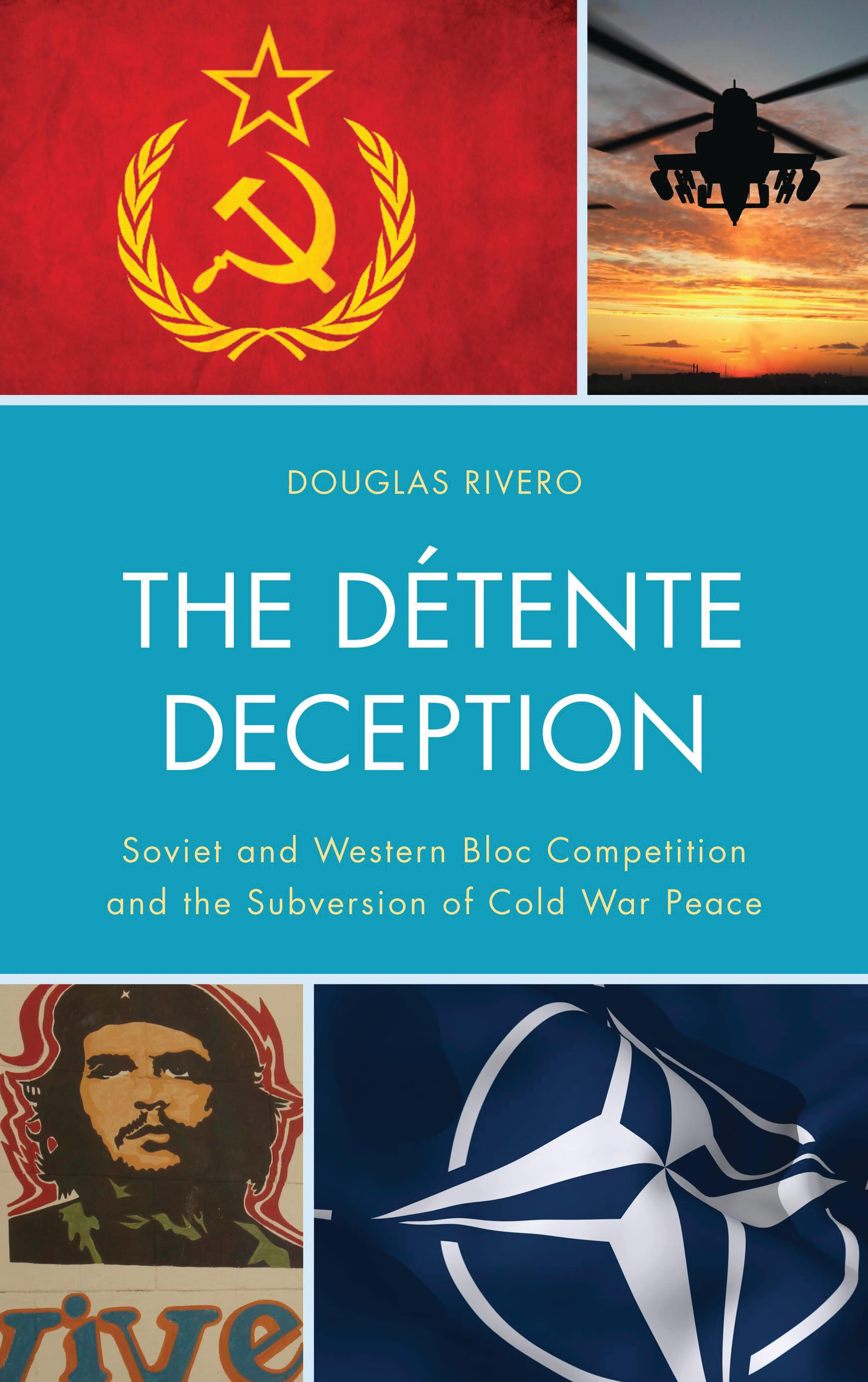
The Détente Deception examines the competition between the U.S.-led Western bloc and the Soviet bloc in the less developed world during the final years of Détente. Rivero assesses whether or not the Soviet bloc pushed for strategic gains in the Third World and whether this contributed to the U.S. decision to abandon Détente in 1979. This view is articulated by many acclaimed scholars such as Stephen Walt (1992), John Gaddis (1997), and Vladislav Zubok (2007). They make the case that during the final years of Détente and throughout the 1980s, U.S. policy in places such as Nicaragua and Angola was a calculated response to Soviet aggression in the less-developed world.
This book challenges this position as the quantitative evidence points to U.S. aggression. Not only did the Western bloc push to maintain dominance over the Third World, archival evidence also suggests the US made significant efforts in Eastern Europe and Afghanistan during the final years of Détente to dismantle the Soviet bloc.
This book challenges this position as the quantitative evidence points to U.S. aggression. Not only did the Western bloc push to maintain dominance over the Third World, archival evidence also suggests the US made significant efforts in Eastern Europe and Afghanistan during the final years of Détente to dismantle the Soviet bloc.
Pages: 144
Category: Statsvetenskap & Politik
e-ISBN: 9780761860440
Shipping weight: 1.2 kg
Ships in: 1-2 days
Pay easily by card, Klarna, Apple Pay or Google Pay. Not happy? You always have a 14-day money-back guarantee. Read more in our terms. If you have any questions, email us at hello@memmo.org.
Memmo makes studying easier – wherever you are in the world. We bring your course books and smart study tools together in one place: summaries, quizzes, podcasts and flashcards. Plus Ted, your study buddy who answers anything you wonder. Over 50,000 students already study here – built to help you learn faster and stress less.