
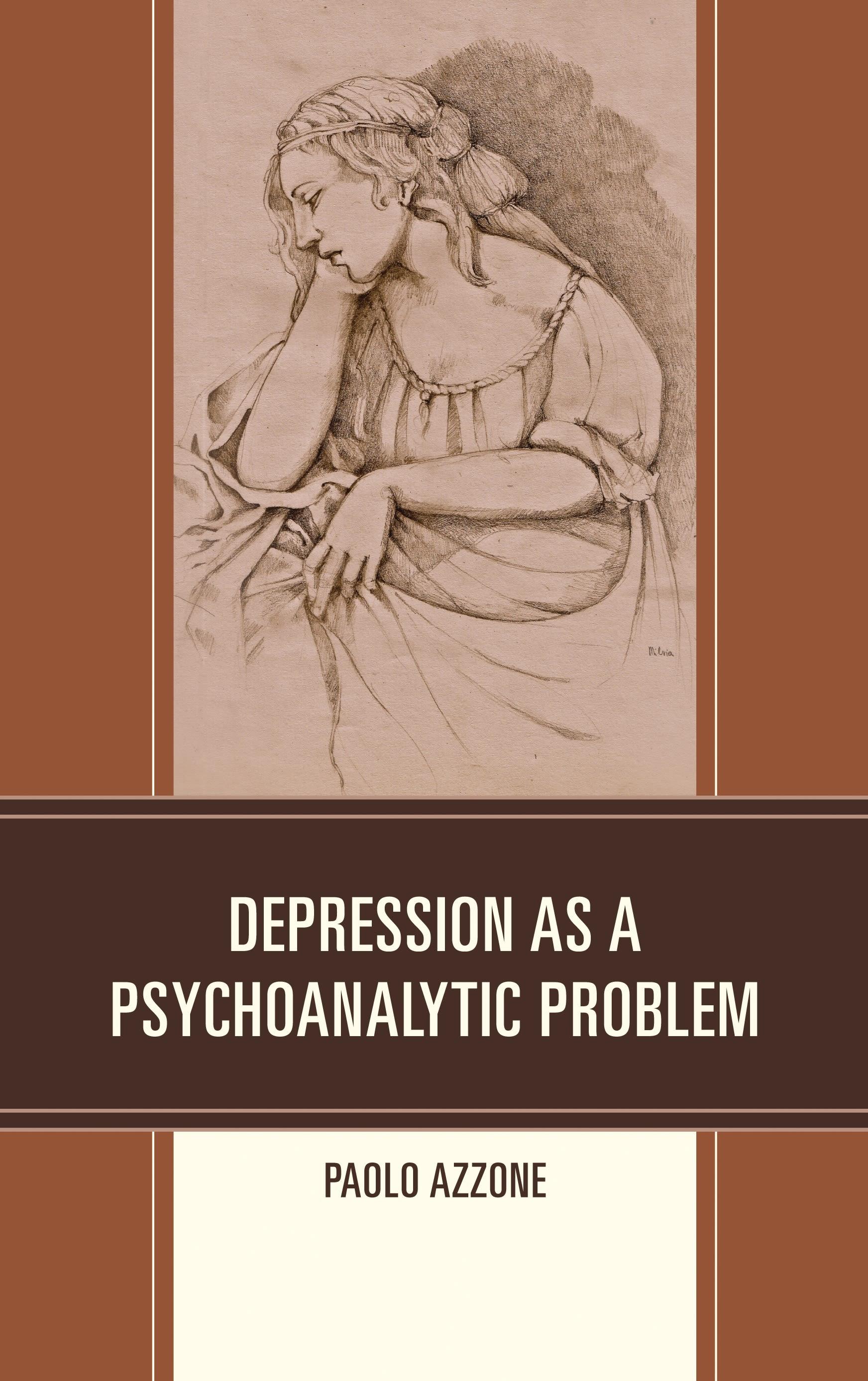
Over the past few decades, psychoanalysis and dynamic psychiatry have been steadily stepping back from a key role in the understanding and treatment of depressive disorders. This book investigates the basis for such retreat by delving into the history of medicine, philosophy, religion, and literature. It unveils the social motives for the overwhelming consensus currently gathered by the biomedical model of depression. The book then moves on to discuss at depth psychoanalytic literature on depression and reveals how it possesses an enormous explanatory power for depression symptoms. This approach allows the author to offer readers a comprehensive, dynamically-oriented model of symptom formation in depression.
Pay easily by card, Klarna, Apple Pay or Google Pay. Not happy? You always have a 14-day money-back guarantee. Read more in our terms. If you have any questions, email us at hello@memmo.org.
Memmo makes studying easier – wherever you are in the world. We bring your course books and smart study tools together in one place: summaries, quizzes, podcasts and flashcards. Plus Ted, your study buddy who answers anything you wonder. Over 50,000 students already study here – built to help you learn faster and stress less.