
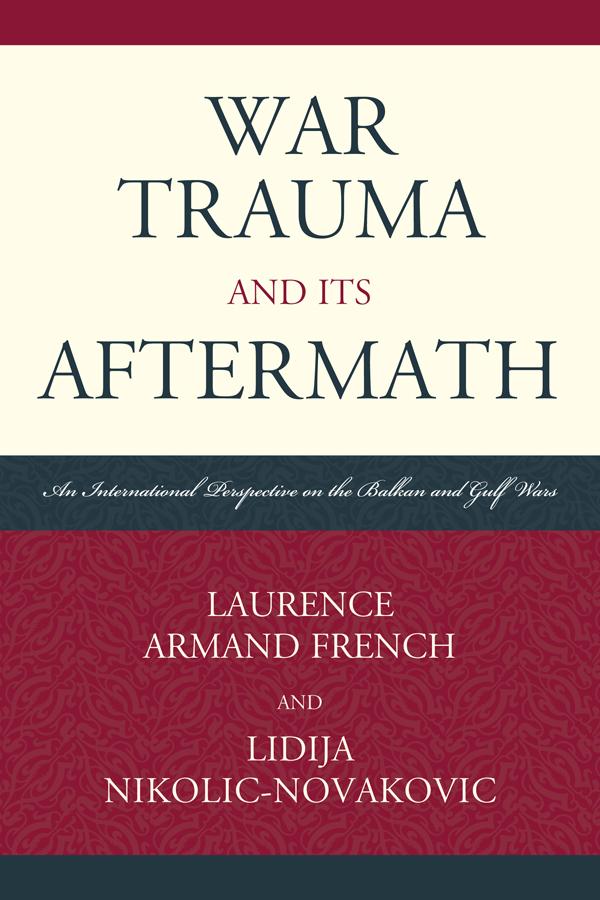
War trauma has long been associated with post-traumatic stress disorder (PTSD), a term coined in 1980 to explain the post-war impact of Vietnam veterans. The Gulf and Balkan wars added new dimensions to the traditional PTSD definition, due largely to the changing dynamics of these wars. With these wars came unprecedented use of reserve and National Guard personnel in U.S. forces along with the largest contingent of female military personnel to date. Rapid deployment, sexual assaults, and suicides surfaced as paramount untreated problems within coalition force. Rapes, torture, suicides, and a high prevalence of untreated civilian victims of the Balkan wars added to the new dimensions of the traumatic stress continuum. Suicide bombers and roadside bombings added to the definition of combat stress, as military personnel in Iraq and Afghanistan were forced to be constantly vigilant for these attacks—regardless of whether they served in combat areas.
Pay easily by card, Klarna, Apple Pay or Google Pay. Not happy? You always have a 14-day money-back guarantee. Read more in our terms. If you have any questions, email us at hello@memmo.org.
Memmo makes studying easier – wherever you are in the world. We bring your course books and smart study tools together in one place: summaries, quizzes, podcasts and flashcards. Plus Ted, your study buddy who answers anything you wonder. Over 50,000 students already study here – built to help you learn faster and stress less.