
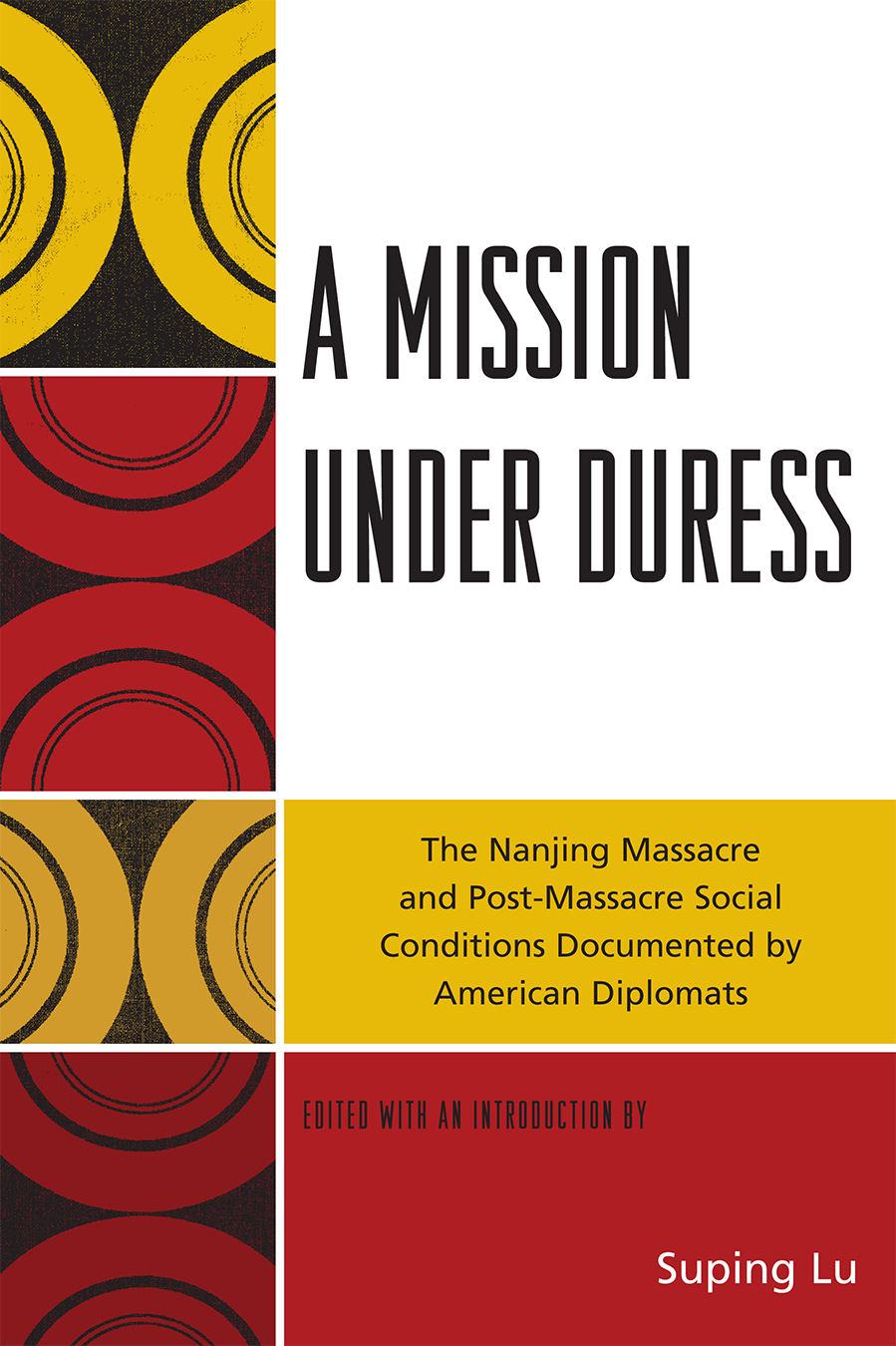
Immediately after capturing the Chinese capital, Nanjing, on December 13, 1937, Japanese soldiers committed atrocities such as mass executions, rampant rapes, arson, and looting in and around the city. The carnage went on for weeks.
On January 6, 1938, after the worst of the massacre atrocities was over, three American diplomats arrived in Nanjing. Upon their arrival, Third Secretary John Moore Allison, Vice Consul James Espy, and Code Clerk Archibald Alexander McFardyen, Jr. cabled dispatches about the atrocities and other conditions in the city to the Department of State and other U.S. diplomatic posts in China. Often, they dispatched several reports within a day. These atrocity reports, which were largely based on interviews with American missionaries and their own investigations, gave detailed descriptions of Japanese atrocities, property damage, social conditions, relief efforts, diplomatic wrestling, and many other aspects of life in the city during and after the massacre period. The value of these diplomatic dispatches and reports, which were retrieved from the national archives, rests on that they extensively document the American diplomats' role, their observations and attitude toward the situation there, their efforts to help the Chinese and protect the Americans, and their struggles with the Japanese.
On January 6, 1938, after the worst of the massacre atrocities was over, three American diplomats arrived in Nanjing. Upon their arrival, Third Secretary John Moore Allison, Vice Consul James Espy, and Code Clerk Archibald Alexander McFardyen, Jr. cabled dispatches about the atrocities and other conditions in the city to the Department of State and other U.S. diplomatic posts in China. Often, they dispatched several reports within a day. These atrocity reports, which were largely based on interviews with American missionaries and their own investigations, gave detailed descriptions of Japanese atrocities, property damage, social conditions, relief efforts, diplomatic wrestling, and many other aspects of life in the city during and after the massacre period. The value of these diplomatic dispatches and reports, which were retrieved from the national archives, rests on that they extensively document the American diplomats' role, their observations and attitude toward the situation there, their efforts to help the Chinese and protect the Americans, and their struggles with the Japanese.
Pay easily by card, Klarna, Apple Pay or Google Pay. Not happy? You always have a 14-day money-back guarantee. Read more in our terms. If you have any questions, email us at hello@memmo.org.
Memmo makes studying easier – wherever you are in the world. We bring your course books and smart study tools together in one place: summaries, quizzes, podcasts and flashcards. Plus Ted, your study buddy who answers anything you wonder. Over 50,000 students already study here – built to help you learn faster and stress less.