
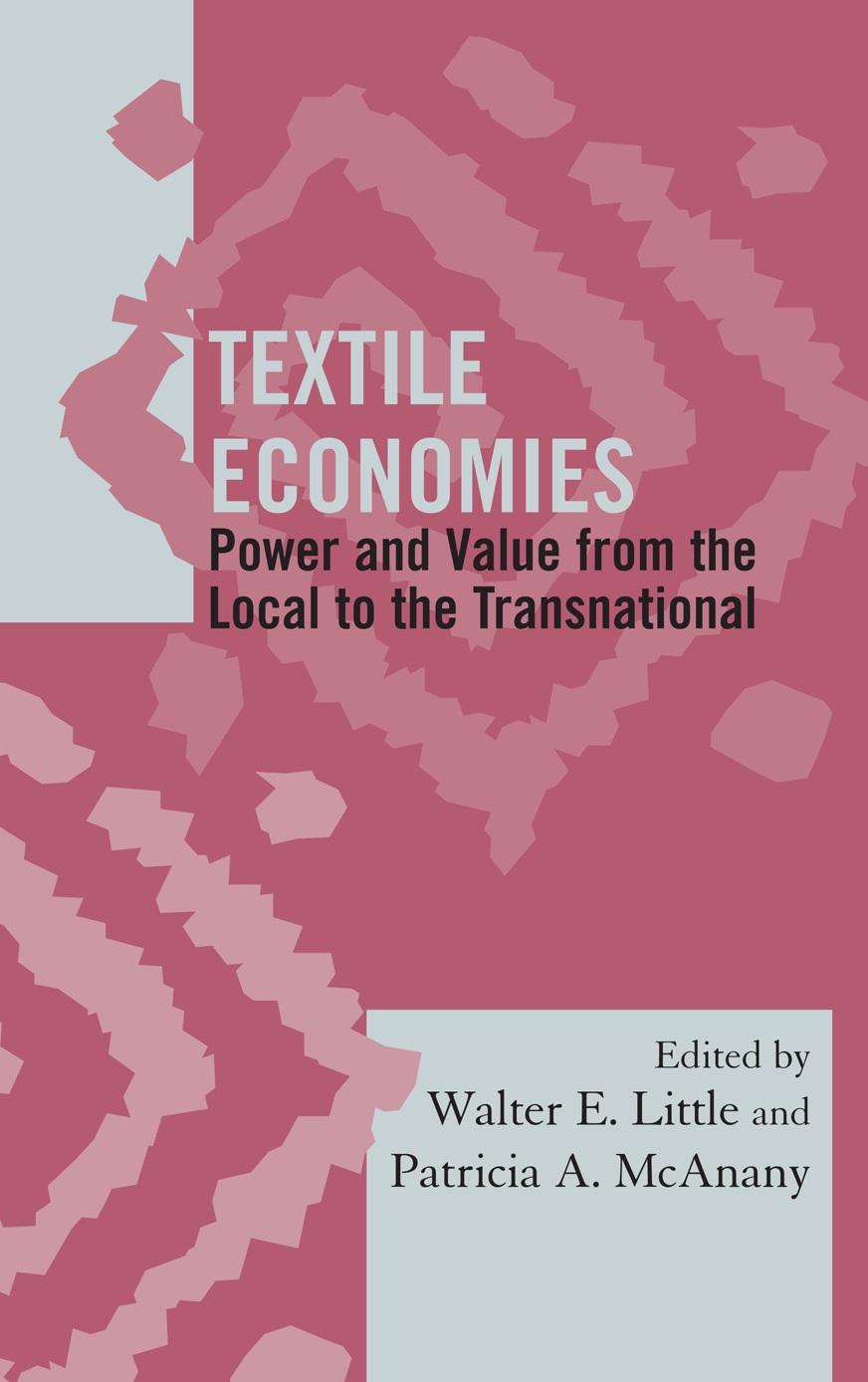
Textiles have been a highly valued and central part of the politics of human societies across culture divides and over millennia. The economy of textiles provides insight into the fabric of social relations, local and global politics, and diverse ideologies. Textiles are a material element of society that fosters the study of continuities and disjunctions in the economic and social realities of past and present societies. From stick-loom weaving to transnational factories, the production of cloth and its transformation into clothing and other woven goods offers a way to study the linkages between economics and politics. The volume is oriented around a number of themes: textile production, textiles as trade goods, textiles as symbols, textiles in tourism, and textiles in the transnational processes. Textile Economies appeals to a broad range of scholars interested in the intersection of material culture, political economy, and globalization, such as archaeologists, cultural anthropologists, economists, museum curators, and historians.
Pay easily by card, Klarna, Apple Pay or Google Pay. Not happy? You always have a 14-day money-back guarantee. Read more in our terms. If you have any questions, email us at hello@memmo.org.
Memmo makes studying easier – wherever you are in the world. We bring your course books and smart study tools together in one place: summaries, quizzes, podcasts and flashcards. Plus Ted, your study buddy who answers anything you wonder. Over 50,000 students already study here – built to help you learn faster and stress less.