
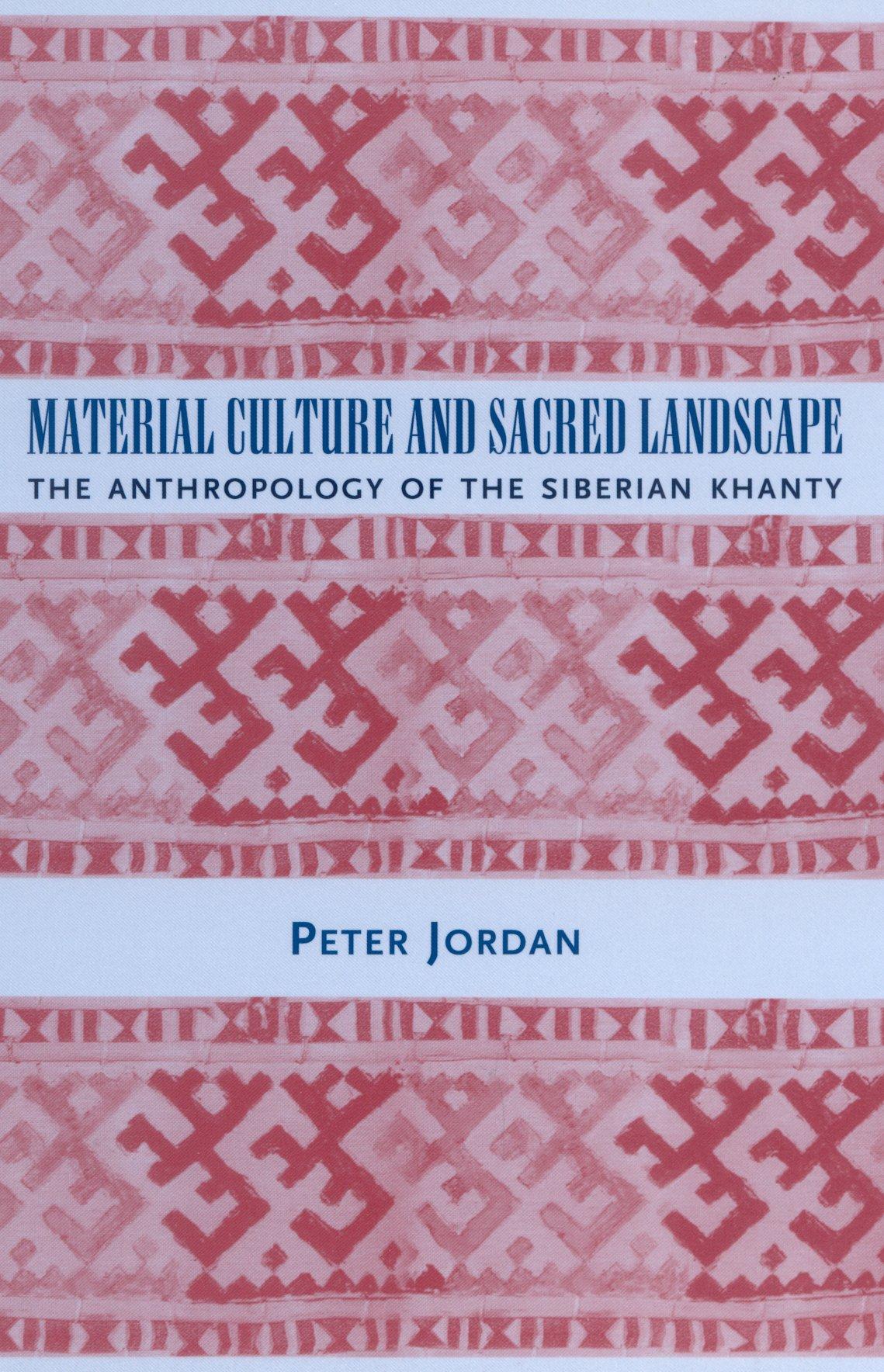
This study provides a concrete example of how foraging societies enculturate and transform the natural environment and, through the use of material objects, create sacred spaces and sites. Using ethnographic and ethnohistorical information about the Khanty of Siberia, Jordan shows the shortcomings of both interpretive and materialist anthropological theorizing about hunters and gatherers. He focuses on the rich and complex relationship between the symbolism of the Khanty, their material culture, and the bringing of meaning to physical places. His examination looks at the topic in both historical and contemporary contexts, and in scales from the core-periphery model of Russian colonialism to the portrait of a single yurt community. Jordan's work will be of importance to those studying cultural anthropology, archaeology, and comparative religion.
Pay easily by card, Klarna, Apple Pay or Google Pay. Not happy? You always have a 14-day money-back guarantee. Read more in our terms. If you have any questions, email us at hello@memmo.org.
Memmo makes studying easier – wherever you are in the world. We bring your course books and smart study tools together in one place: summaries, quizzes, podcasts and flashcards. Plus Ted, your study buddy who answers anything you wonder. Over 75,000 students already study here – built to help you learn faster and stress less.