
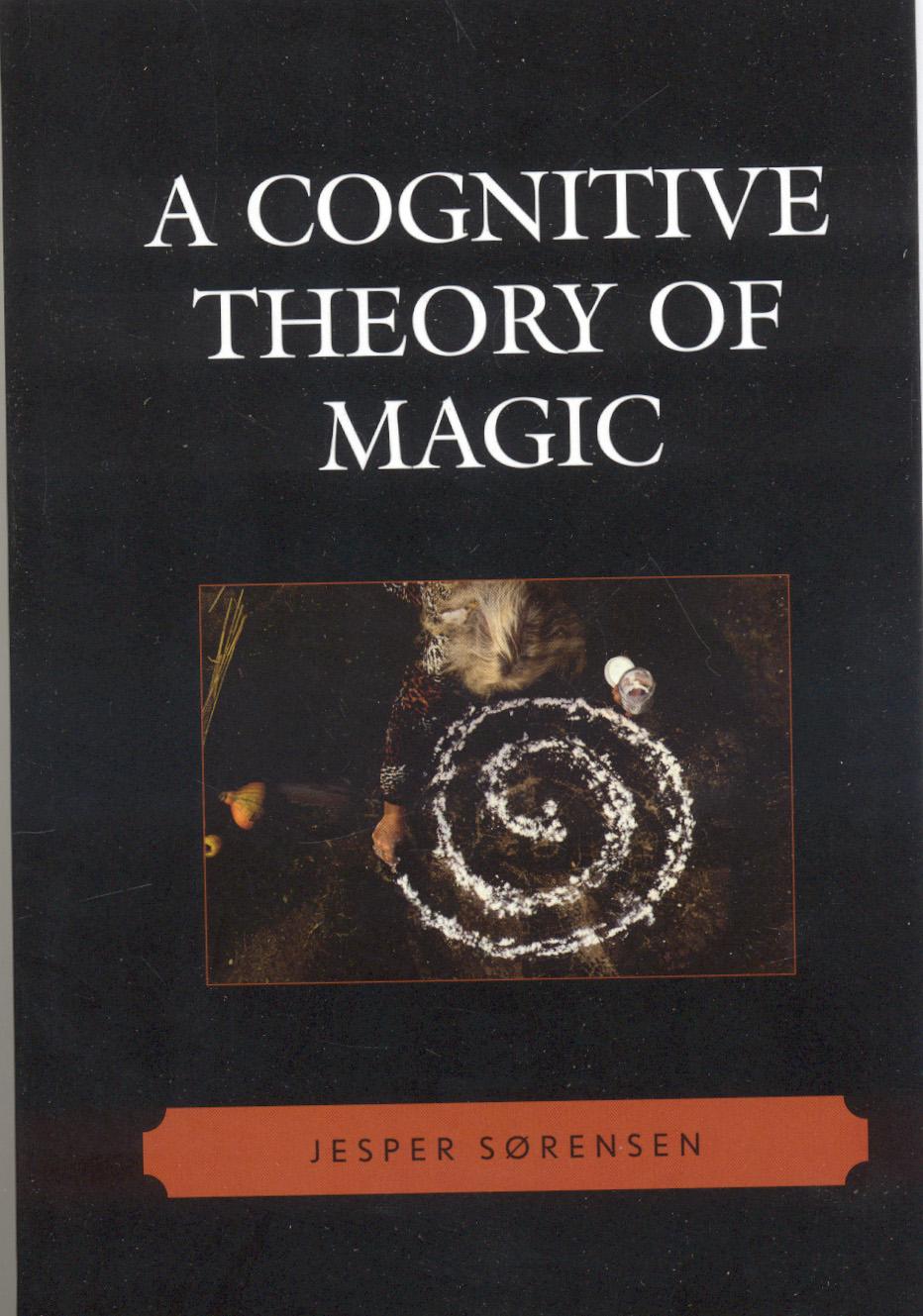
Magic is a universal phenomenon. Everywhere we look people perform ritual actions in which desirable qualities are transferred by means of physical contact and objects or persons are manipulated by things of their likeness. In this book Sørensen embraces a cognitive perspective in order to investigate this long-established but controversial topic. Following a critique of the traditional approaches to magic, and basing his claims on classical ethnographic cases, the author explains magic's universality by examining a number of recurrent cognitive processes underlying its different manifestations. He focuses on how power is infused into the ritual practice; how representations of contagion and similarity can be used to connect otherwise distinct objects in order to manipulate one by the other; and how the performance of ritual prompts representations of magical actions as effective. Bringing these features together, the author proposes a cognitive theory of how people can represent magical rituals as purposeful actions and how ritual actions are integrated into more complex representations of events. This explanation, in turn, yields new insights into the constitutive role of magic in the formation of institutionalised religious ritual.
Pay easily by card, Klarna, Apple Pay or Google Pay. Not happy? You always have a 14-day money-back guarantee. Read more in our terms. If you have any questions, email us at hello@memmo.org.
Memmo makes studying easier – wherever you are in the world. We bring your course books and smart study tools together in one place: summaries, quizzes, podcasts and flashcards. Plus Ted, your study buddy who answers anything you wonder. Over 50,000 students already study here – built to help you learn faster and stress less.