
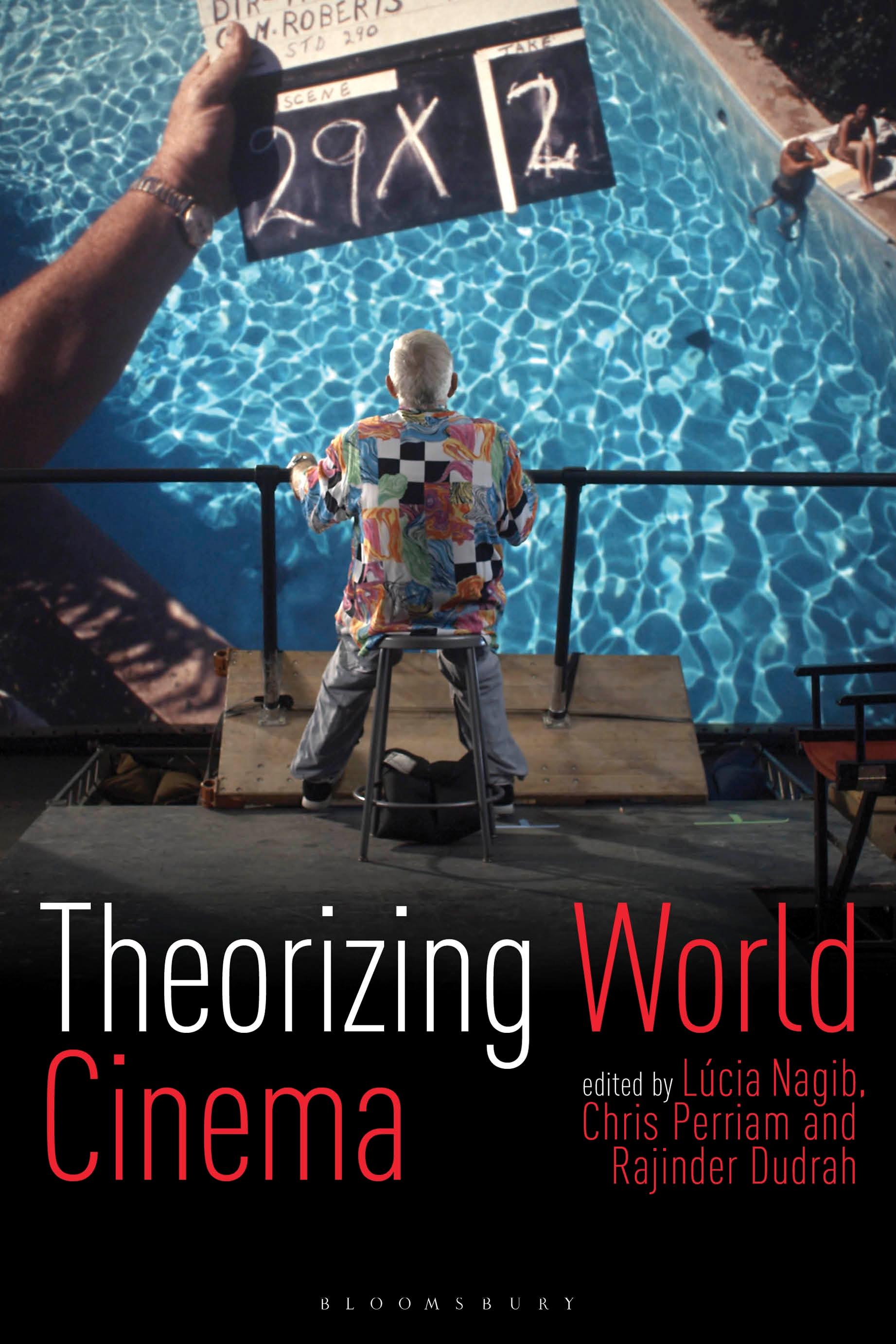
This innovative book is about the place of world cinema in the cultural imaginary. It also repositions world cinema in a wider discursive space than is usually the case and treats it as an object of theoretical enquiry, rather than as a commercial label. The editors and distinguished group of contributors offer a range of approaches and case studies whose organizing principle is the developing idea of polycentrism as applied to cinema. They refine and redefine key concepts in film studies, including identification and identity, narrative and realism, allegory and the national project, auteurism and the popular, art and genre. They re-evaluate how cinema shapes and responds to the philosophical, cultural and political effects of transnationalism and cosmopolitanism in the age of the moving image, and explore the interconnectedness of films produced worldwide, as well as the links between cinema and other visual cultural forms. The contributors include: John Caughie, Felicia Chan, Tiago de Luca, Rajinder Dudrah, Song Hwee Lim, Laura Mulvey, Lucia Nagib, Geoffrey Nowell-Smith, Chris Perriam, Ashish Rajadhyaksha, Paul Julian Smith, and Ismail Xavier.
Pay easily by card, Klarna, Apple Pay or Google Pay. Not happy? You always have a 14-day money-back guarantee. Read more in our terms. If you have any questions, email us at hello@memmo.org.
Memmo makes studying easier – wherever you are in the world. We bring your course books and smart study tools together in one place: summaries, quizzes, podcasts and flashcards. Plus Ted, your study buddy who answers anything you wonder. Over 50,000 students already study here – built to help you learn faster and stress less.