
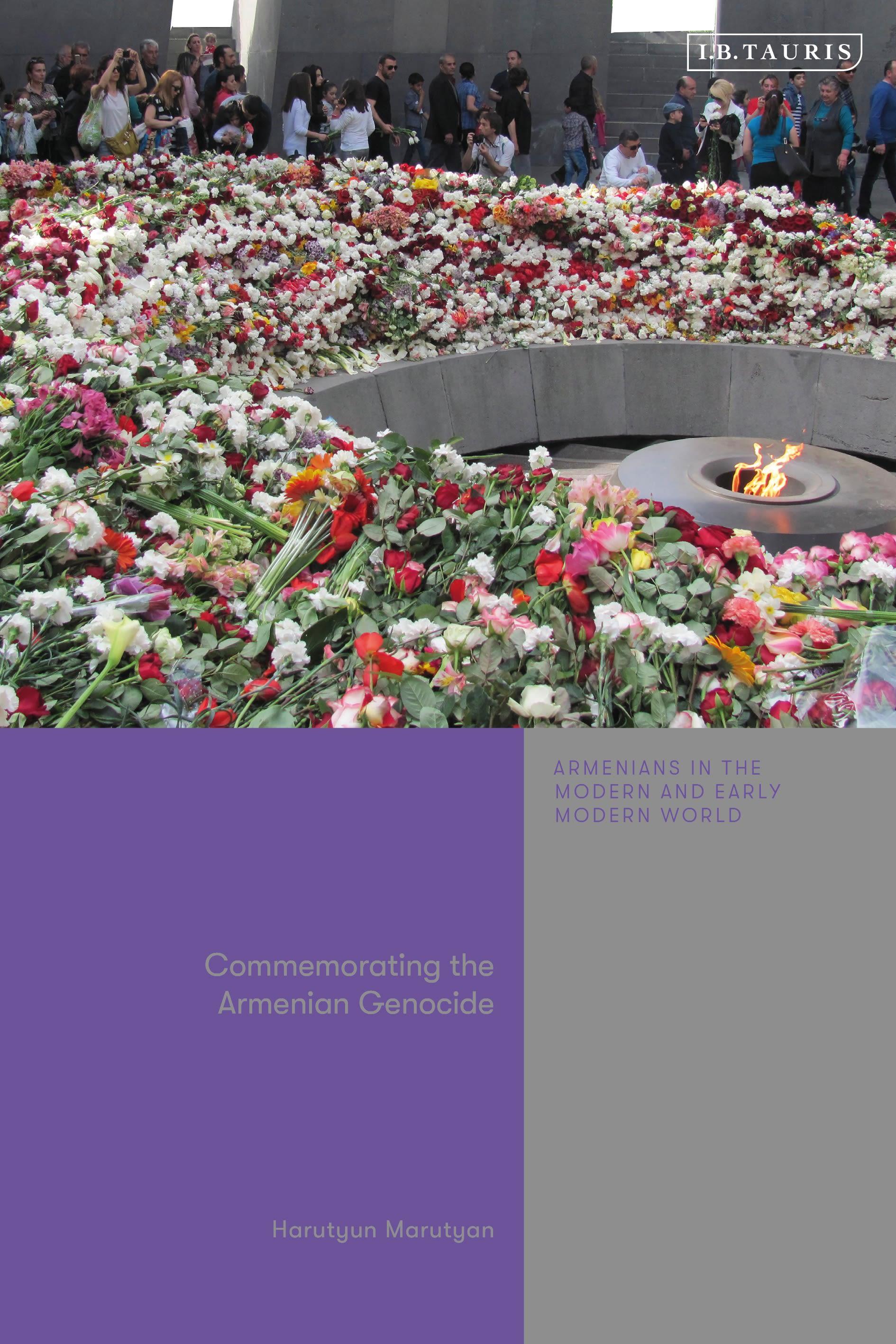
Commemorated annually on 24 April, Armenian Genocide Remembrance Day is an important part of national identity in both Armenia and the diaspora. This book is a historical and anthropological account of how the genocide is commemorated by Armenians and its evolving significance over time. Beginning with the first demonstrations by survivors in Allied-occupied Constantinople in 1919, to the Stalinist ban on commemoration and the Khrushchev thaw and beyond, the book charts how the politics of the genocide and its official and popular memory fluctuated in Soviet Armenia and the diaspora. The book also provides a detailed account of the rituals involved in the annual march to the Armenian Genocide Memorial in Yerevan and other memory sites, analysing the ways that the collective memory of this foundational event is embodied and continues to reflect and shape Armenian identity today.
Pay easily by card, Klarna, Apple Pay or Google Pay. Not happy? You always have a 14-day money-back guarantee. Read more in our terms. If you have any questions, email us at hello@memmo.org.
Memmo makes studying easier – wherever you are in the world. We bring your course books and smart study tools together in one place: summaries, quizzes, podcasts and flashcards. Plus Ted, your study buddy who answers anything you wonder. Over 50,000 students already study here – built to help you learn faster and stress less.