
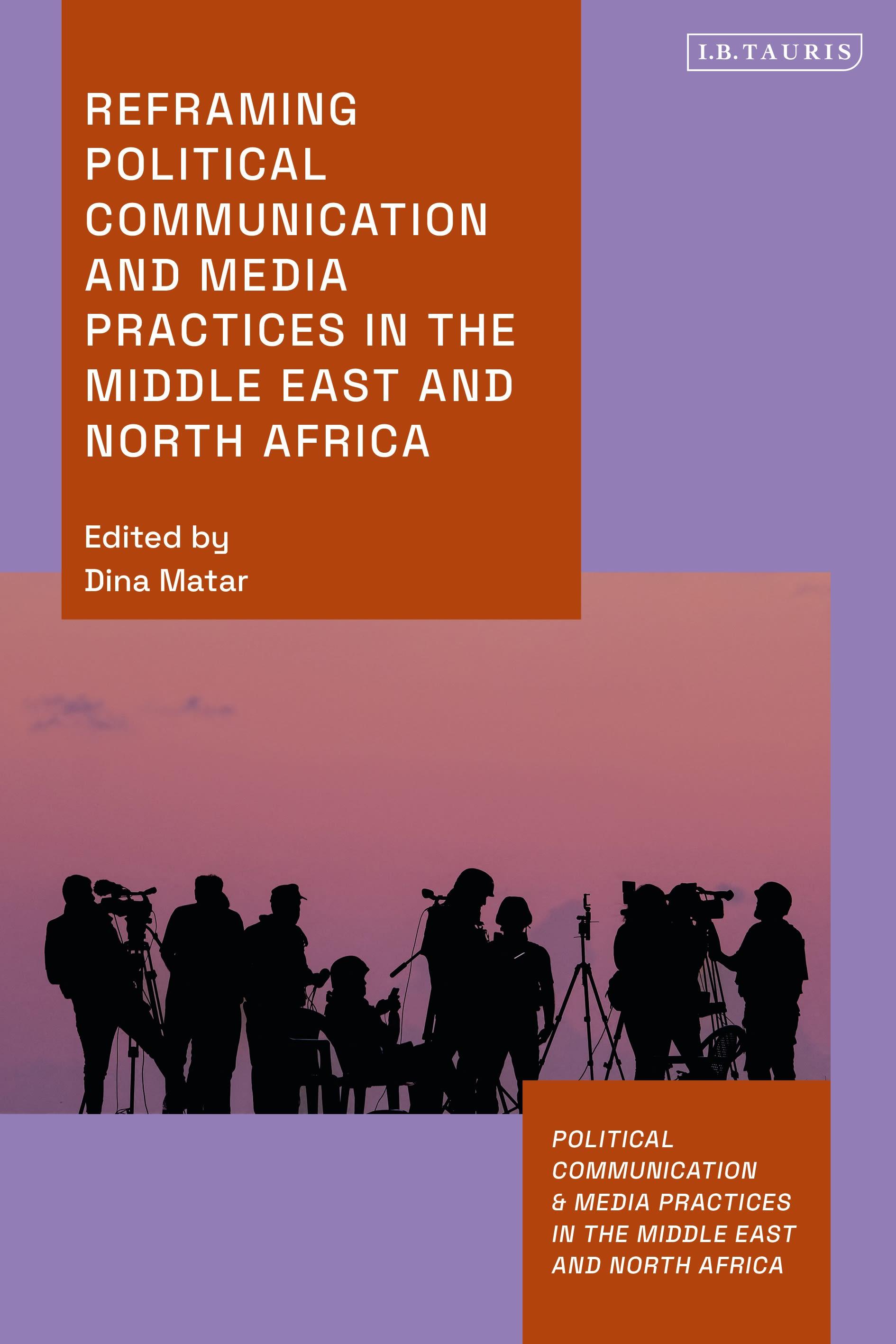
A decade on from the Arab uprisings, debates continue to reiterate exceptionalist discourses about the region and its peoples which tend to deny individual agency. They also neglect long collective histories of mediated political cultures that have emerged within colonial and post-colonial structures and outside peripheries of formal power and politics. This book problematizes the relationship between politics and communication in the Middle East and North Africa region, paying attention to the diversity of communicative forms and political practices outside formal institutions and structures while remaining conscious of the power dynamics within institutional practices. Examining political communication in Palestine, Lebanon, Egypt, Morocco, Iraq, Syria, Turkey,Tunisa and Iran, the book's chapters challenge Western-centric theories and methodologies that dominate the broad field of political communication by reframing the discussions to include the politics of the marginal or the peripheral, the informal, and the grassroots.
Pay easily by card, Klarna, Apple Pay or Google Pay. Not happy? You always have a 14-day money-back guarantee. Read more in our terms. If you have any questions, email us at hello@memmo.org.
Memmo makes studying easier – wherever you are in the world. We bring your course books and smart study tools together in one place: summaries, quizzes, podcasts and flashcards. Plus Ted, your study buddy who answers anything you wonder. Over 75,000 students already study here – built to help you learn faster and stress less.