
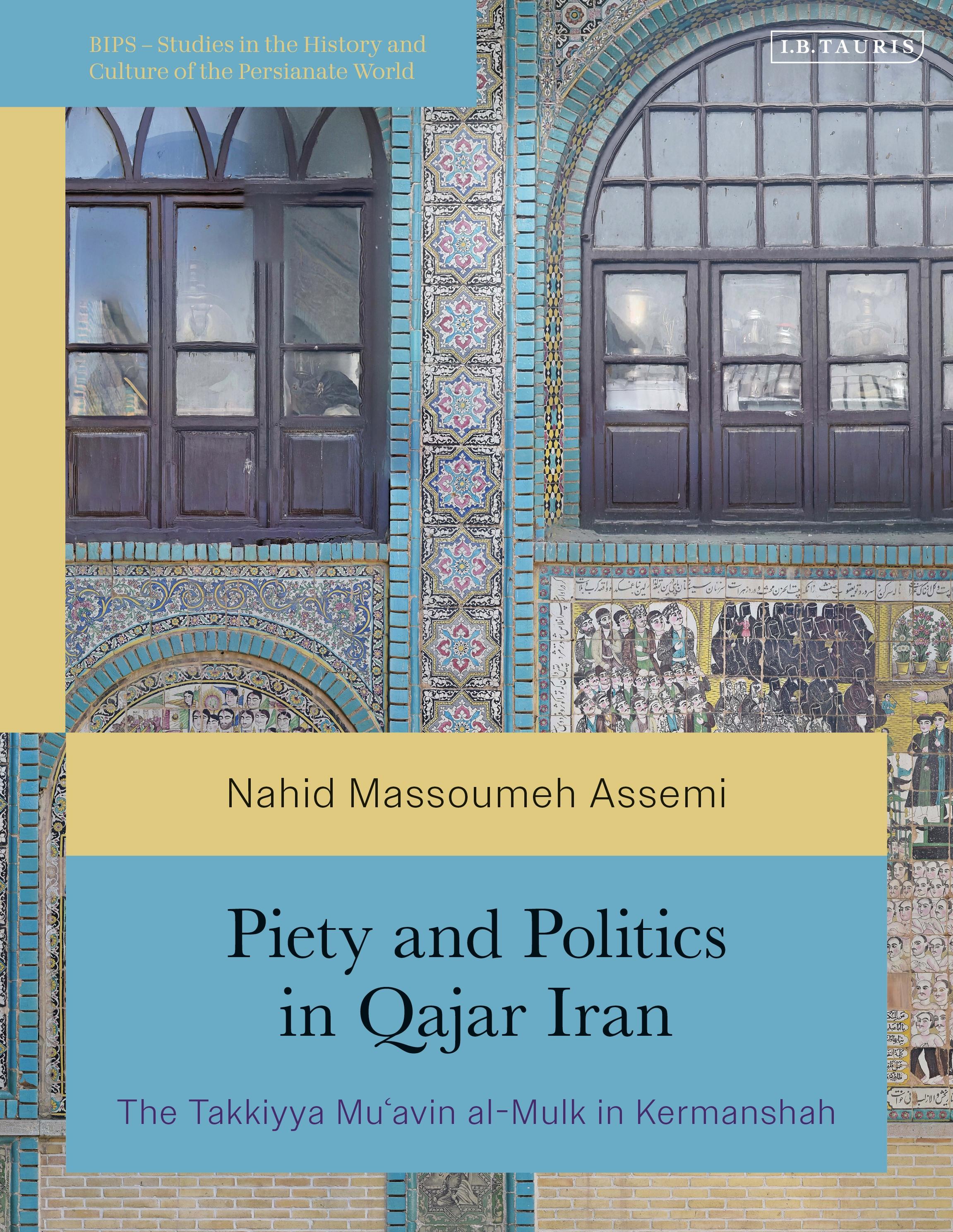
The Takkiyya Mu'avin al-Mulk is a building complex in the city of Kermanshah in western Iran, dedicated to the annual commemoration of the martyrdom of Husayn ibn 'Ali at the Battle of Karbala in 680, an event of seminal significance to Shi'i Islam. Private takkiyyas built by social elites were a phenomenon of the Qajar period, with their construction motivated by a political quest for legitimacy.
This book examines the intersection of art and architecture, popular piety, and the politics of legitimation. Through an examination of the building and its decorative programme, it addresses issues of patronage, Shi'i iconography and popular religious practices during the early 20th century in Iran. It further argues for the role of takkiyyas in creation of a sense of community and group identity; the formative stage of the emergent idea of nationhood at the time, amongst those who frequented them.
This book examines the intersection of art and architecture, popular piety, and the politics of legitimation. Through an examination of the building and its decorative programme, it addresses issues of patronage, Shi'i iconography and popular religious practices during the early 20th century in Iran. It further argues for the role of takkiyyas in creation of a sense of community and group identity; the formative stage of the emergent idea of nationhood at the time, amongst those who frequented them.
Pay easily by card, Klarna, Apple Pay or Google Pay. Not happy? You always have a 14-day money-back guarantee. Read more in our terms. If you have any questions, email us at hello@memmo.org.
Memmo makes studying easier – wherever you are in the world. We bring your course books and smart study tools together in one place: summaries, quizzes, podcasts and flashcards. Plus Ted, your study buddy who answers anything you wonder. Over 50,000 students already study here – built to help you learn faster and stress less.