
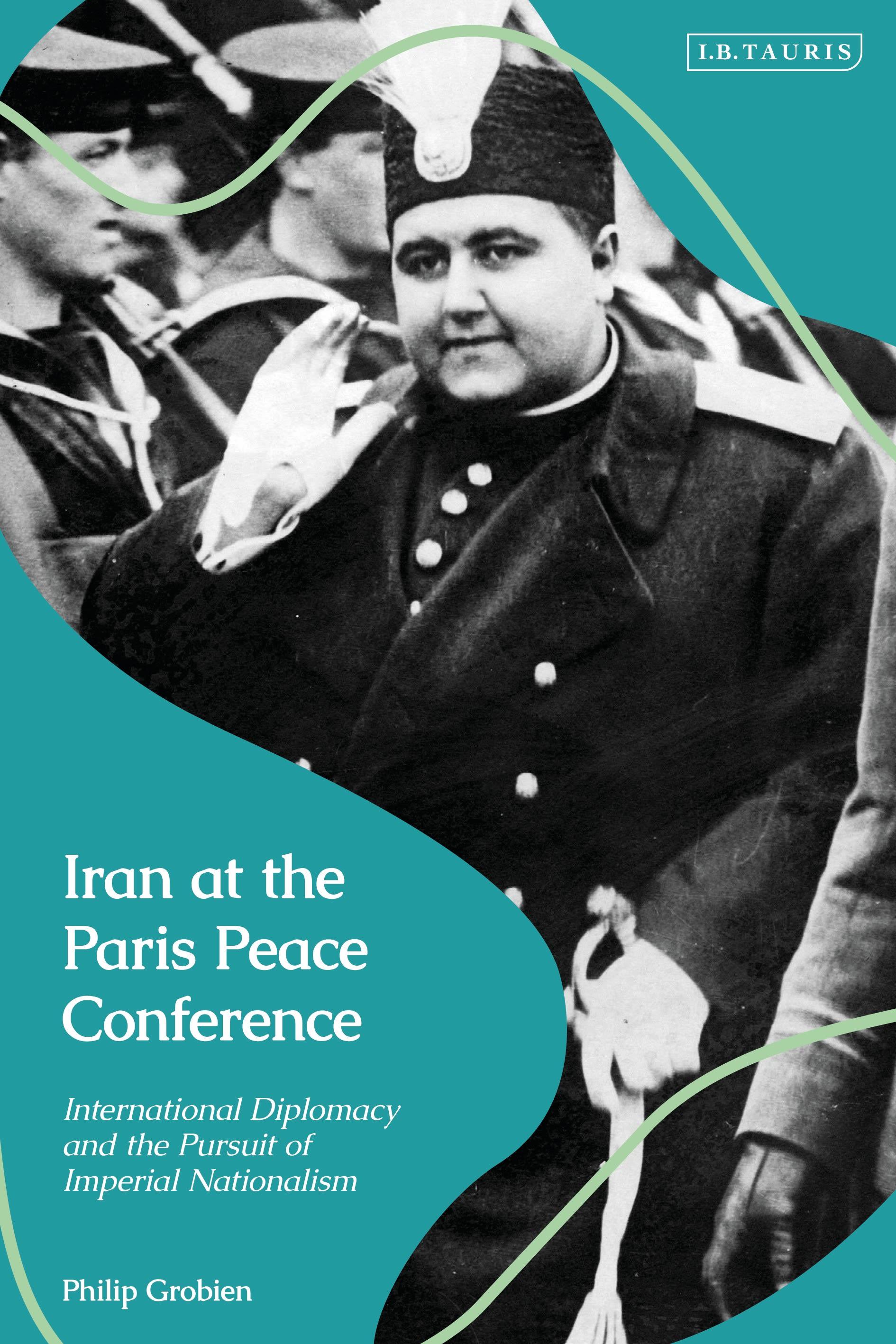
The end of the Qajar era in Iran, despite the accepted narrative of decline, was in fact an occasion of modern and forward-thinking nationalism. Iran developed an imperial nationalism, which was informed by its experiences under British and Russian hegemony and the absorption of Western modern ideas and practices, and which now looked towards a future as a sovereign and independent state within the foundational framework of its previous Empire. Emboldened by post-WWI notions of self-determination and the development of international institutions devoted to peace, Iran spearheaded its new-found diplomacy by sending a delegation to the peace talks in Paris in 1919.
This book shows how Iran's immediate post-war diplomacy came about, the conduct of Iran's delegation to Paris, frustrations with the Anglo-Persian Agreement, and ultimately how Iran's progress became the victim of British imperialism. Throwing a spotlight on an under-researched period of Iranian history, it will be of interest to readers of Iranian history, and those interested in the Paris Peace Conference of 1919.
This book shows how Iran's immediate post-war diplomacy came about, the conduct of Iran's delegation to Paris, frustrations with the Anglo-Persian Agreement, and ultimately how Iran's progress became the victim of British imperialism. Throwing a spotlight on an under-researched period of Iranian history, it will be of interest to readers of Iranian history, and those interested in the Paris Peace Conference of 1919.
Pay easily by card, Klarna, Apple Pay or Google Pay. Not happy? You always have a 14-day money-back guarantee. Read more in our terms. If you have any questions, email us at hello@memmo.org.
Memmo makes studying easier – wherever you are in the world. We bring your course books and smart study tools together in one place: summaries, quizzes, podcasts and flashcards. Plus Ted, your study buddy who answers anything you wonder. Over 50,000 students already study here – built to help you learn faster and stress less.