
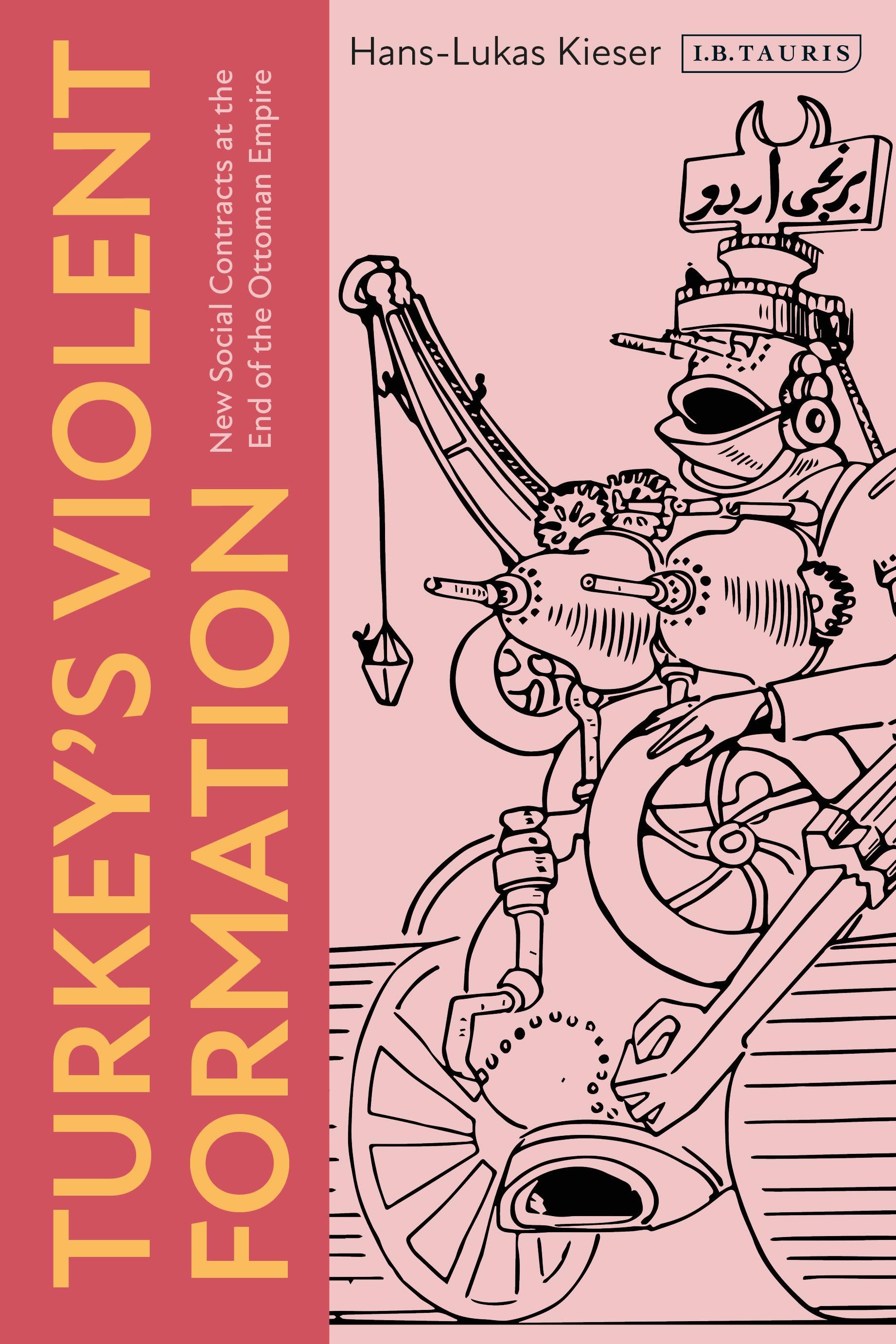
The decade of war and violence culminating in the Conference of Lausanne was formative for the modern state of Turkey, as it was for interwar Europe's diplomacy and appeasement. Yet the currents that gave rise to the defining events of the period – ultranationalism, imperial proto-fascism, and pan-Islamism – have yet to be definitively integrated into historiography.
The case studies in this book reappraise key events, concepts, and individuals in late Ottoman and early Republican Turkey. Divided into four parts, the book first examines squandered opportunities for democratic reform of the multi-ethnic empire, as well as the emergence of extreme politico-religious ideology in the late Ottoman period. It then examines the continuity of these currents in Kemalist Turkey in case studies including anti-Kurdish campaigns and biographical studies of key actors, insiders, and ideologues such as Ziya Gökalp, Cavid Bey, Riza Nur, and Mahmut Bozkurt. The final part of the book explores the legacy of Turkey's violent formation vis-à-vis its relations with wartime ally Germany in the context particularly of the Armenian genocide.
Together, the chapters in this book emphasise the legacy of foundational violence which marked the formation of authoritarian modern Turkey, while highlighting the need for new, inclusive democratic social contracts.
The case studies in this book reappraise key events, concepts, and individuals in late Ottoman and early Republican Turkey. Divided into four parts, the book first examines squandered opportunities for democratic reform of the multi-ethnic empire, as well as the emergence of extreme politico-religious ideology in the late Ottoman period. It then examines the continuity of these currents in Kemalist Turkey in case studies including anti-Kurdish campaigns and biographical studies of key actors, insiders, and ideologues such as Ziya Gökalp, Cavid Bey, Riza Nur, and Mahmut Bozkurt. The final part of the book explores the legacy of Turkey's violent formation vis-à-vis its relations with wartime ally Germany in the context particularly of the Armenian genocide.
Together, the chapters in this book emphasise the legacy of foundational violence which marked the formation of authoritarian modern Turkey, while highlighting the need for new, inclusive democratic social contracts.
Pay easily by card, Klarna, Apple Pay or Google Pay. Not happy? You always have a 14-day money-back guarantee. Read more in our terms. If you have any questions, email us at hello@memmo.org.
Memmo makes studying easier – wherever you are in the world. We bring your course books and smart study tools together in one place: summaries, quizzes, podcasts and flashcards. Plus Ted, your study buddy who answers anything you wonder. Over 50,000 students already study here – built to help you learn faster and stress less.