
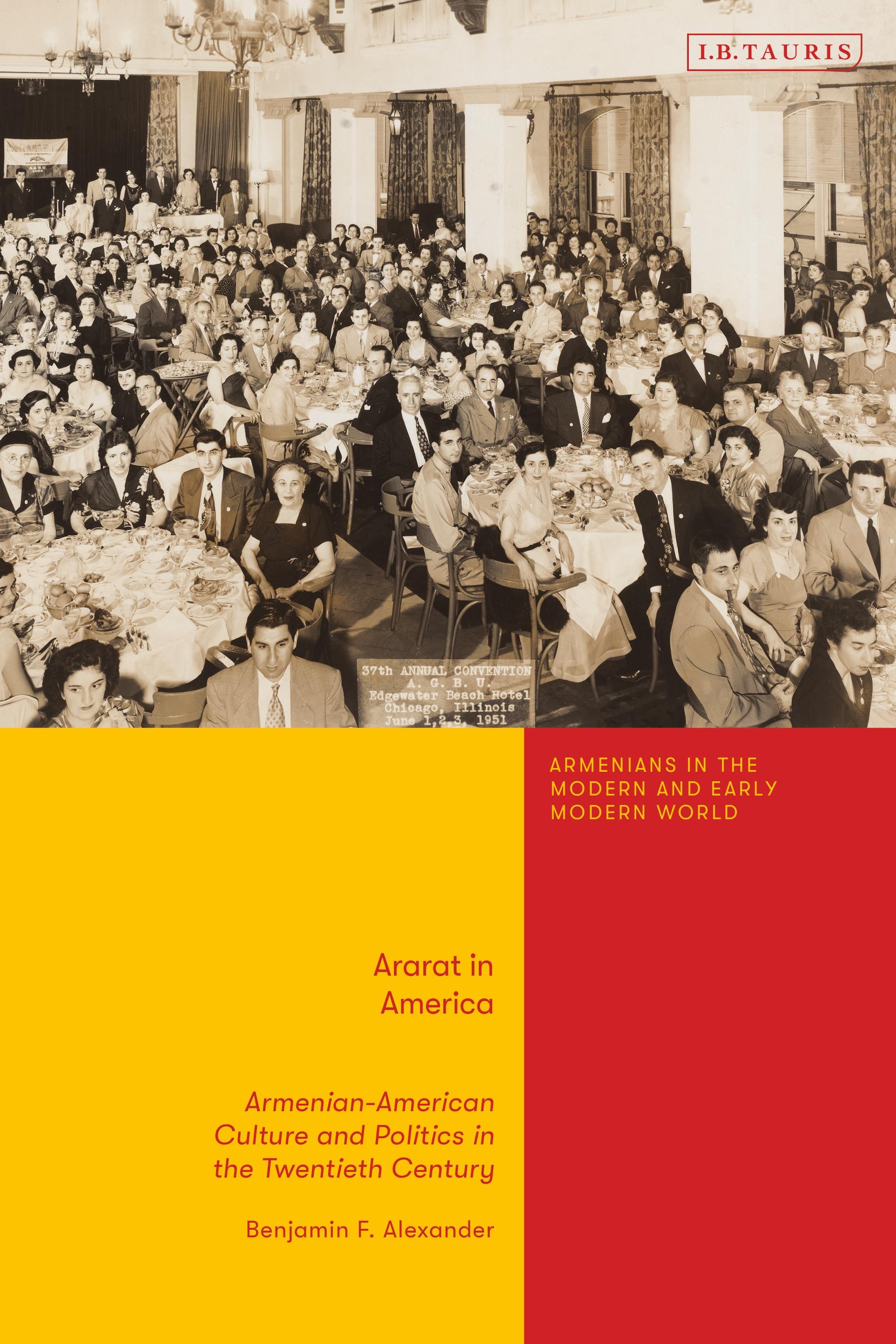
How has the distinctive Armenian-American community expressed its identity as an ethnic minority while 'assimilating' to life in the United States? This book examines the role of community leaders and influencers, including clergy, youth organizers, and partisan newspaper editors, in fostering not only a sense of Armenian identity but specific ethnic-partisan leanings within the group's population. Against the backdrop of key geopolitical events from the aftermath of the Armenian Genocide to the creation of an independent and then Soviet Armenia, it explores the rivalry between two major Armenian political parties, the Tashnags and the Ramgavars, and the relationship that existed between partisan leaders and their broader constituency. Rather than treating the partisan conflict as simply an impediment to Armenian unity, Benjamin Alexander examines the functional if accidental role that it played in keeping certain community institutions alive. He further analyses the two camps as representing two conflicting visions of how to be an ethnic group, drawing a comparison between the sociology-of-religion models of comfort religion and challenge religion. A detailed political and social history, this book integrates the Armenian experience into the broader and more familiar narratives of World War I, World War II, and the Cold War in the USA.
Pay easily by card, Klarna, Apple Pay or Google Pay. Not happy? You always have a 14-day money-back guarantee. Read more in our terms. If you have any questions, email us at hello@memmo.org.
Memmo makes studying easier – wherever you are in the world. We bring your course books and smart study tools together in one place: summaries, quizzes, podcasts and flashcards. Plus Ted, your study buddy who answers anything you wonder. Over 50,000 students already study here – built to help you learn faster and stress less.