
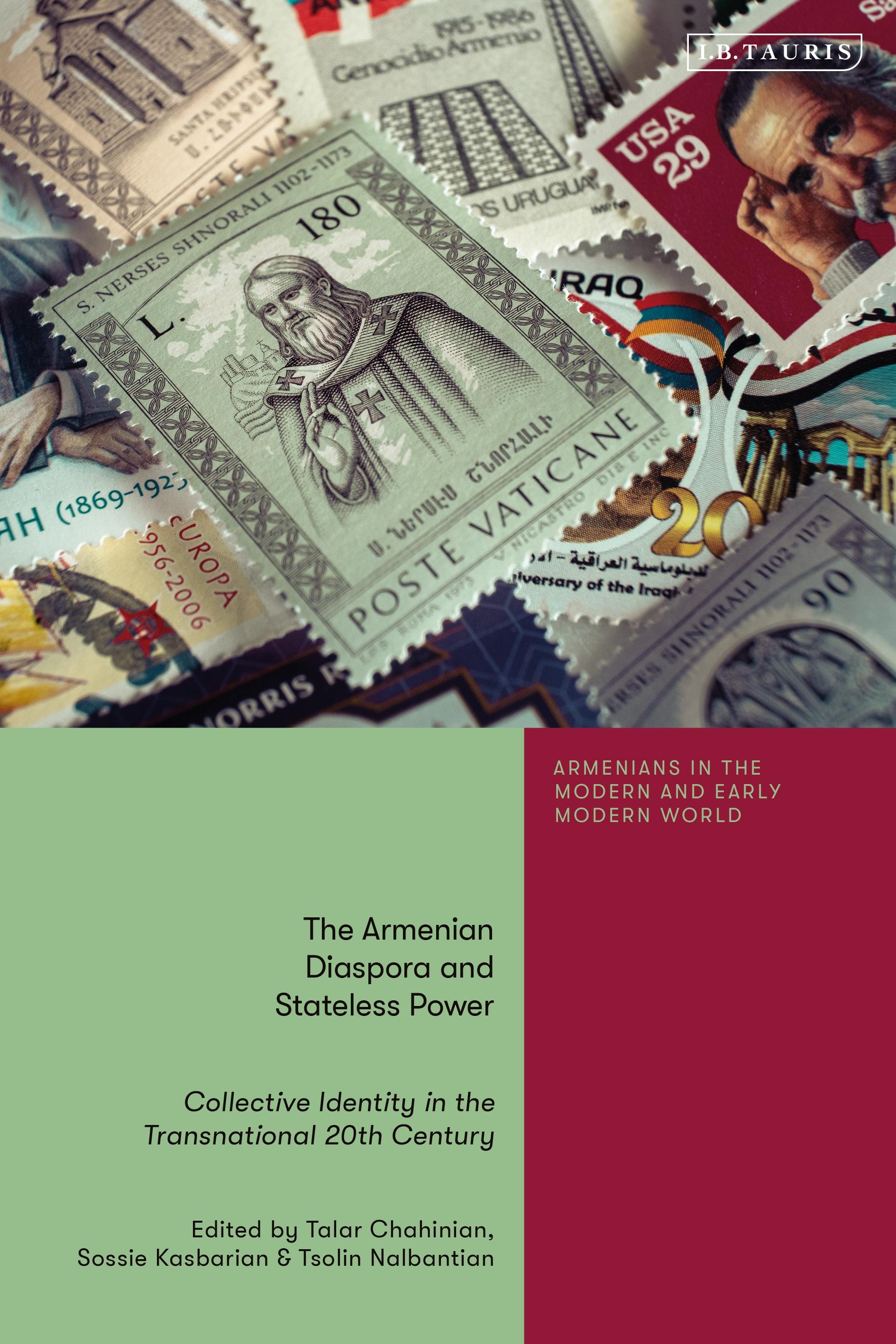
From genocide, forced displacement, and emigration, to the gradual establishment of sedentary and rooted global communities, how has the Armenian diaspora formed and maintained a sense of collective identity? This book explores the richness and magnitude of the Armenian experience through the 20th century to examine how Armenian diaspora elites and their institutions emerged in the post-genocide period and used “stateless power” to compose forms of social discipline. Historians, cultural theorists, literary critics, sociologists, political scientists, and anthropologists explore how national and transnational institutions were built in far-flung sites from Istanbul, Aleppo, Beirut and Jerusalem to Paris, Los Angeles, and the American mid-west. Exploring literary and cultural production as well as the role of religious institutions, the book probes the history and experience of the Armenian diaspora through the long 20th century, from the role of the fin-de-siècle émigré Armenian press to the experience of Syrian-Armenian asylum seekers in the 21st century. It shows that a diaspora's statelessness can not only be evidence of its power, but also how this “stateless power” acts as an alternative and complement to the nation-state.
Pay easily by card, Klarna, Apple Pay or Google Pay. Not happy? You always have a 14-day money-back guarantee. Read more in our terms. If you have any questions, email us at hello@memmo.org.
Memmo makes studying easier – wherever you are in the world. We bring your course books and smart study tools together in one place: summaries, quizzes, podcasts and flashcards. Plus Ted, your study buddy who answers anything you wonder. Over 50,000 students already study here – built to help you learn faster and stress less.