
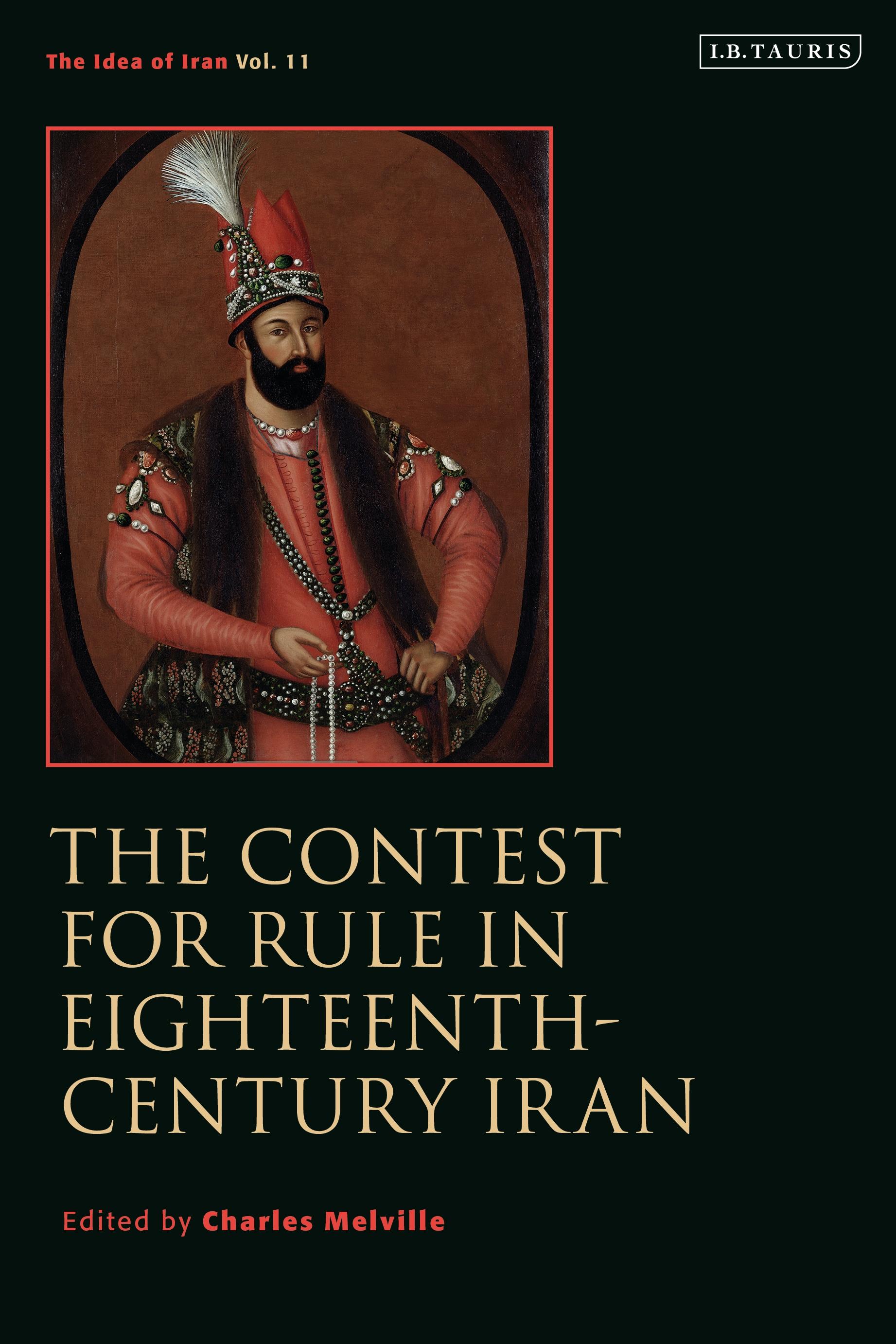
This volume explores the troubled eighteenth century in Iran, between the collapse of the Safavids and the establishment of the new Qajar dynasty in the early decades of the nineteenth century. Despite the striking military successes of Nader Shah, to defeat the Afghan invaders, drive back the Ottomans in the west, and launch campaigns into India and Central Asia, Iran steadily lost territory in the Caucasus and the east, where Persian arms failed to recover lands lost to the Afghans and the Ozbeks. The chapters of this book cover the continuity and change over this transitional period from a range of perspectives including political history, historiography, art and material culture. They illuminate the changes in Iran's internal conditions, including the legitimising legacy of the Safavid period in court chronicles, the rise of Nader Shah and his influence on the idea of Iran, as well as the art of successive dynasties competing for power and prestige. The volume also addresses Iran's changed international situation by examining relations with Russia, Britain and India, the result of which would contribute to its re-emergence with a curtailed presence in the new world order of European dominance.
Pay easily by card, Klarna, Apple Pay or Google Pay. Not happy? You always have a 14-day money-back guarantee. Read more in our terms. If you have any questions, email us at hello@memmo.org.
Memmo makes studying easier – wherever you are in the world. We bring your course books and smart study tools together in one place: summaries, quizzes, podcasts and flashcards. Plus Ted, your study buddy who answers anything you wonder. Over 50,000 students already study here – built to help you learn faster and stress less.