
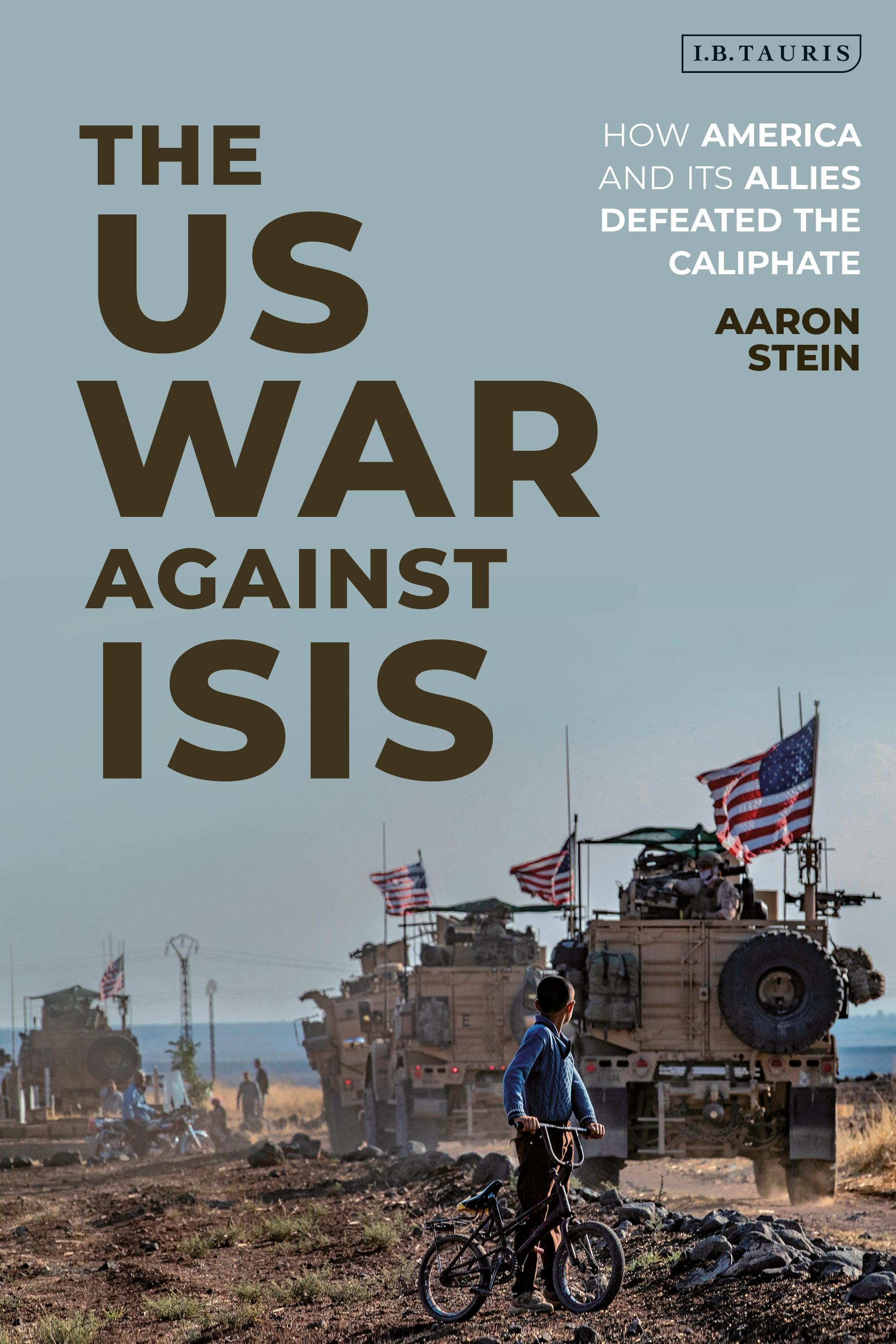
The war against ISIS is often explained through the group's own rise to power. The American side of the story has not yet been told. This book records how the United States and its allies chose to fight the group, what the consequences have been for transatlantic relations, and how these factors may shape future wars the West decides to pursue.
The book is based on first-person interviews with U.S. and European policymakers, and members of the military in direct combat against ISIS - from U.S and allied forces on the ground to the Kurdish fighters who fought beside them. These interviews show precisely how the West fights wars through the eyes of the people most involved in them and includes key insights about civilian decision-making as it happened. In tracing the war as it developed, the book examines the West's approach to conflict and reveals new insights such as why both the U.S. military and the civilian bureaucracy underestimated Russian military capabilities. The war was always meant to be small and focused, but its repercussions have been considerable and far-reaching, including a serious rupture in Turkish-Western relations and Russia's return to the Middle East.
Aaron Stein shows why mistakes were made in the war against ISIS and what happens when a narrow policy focus on counter terrorism is pursued at the expense of almost all wider regional security and political concerns. At a time when the U.S might be called again to stem the rise of a terror group or to fight against a collective threat, the lessons in this book are essential.
The book is based on first-person interviews with U.S. and European policymakers, and members of the military in direct combat against ISIS - from U.S and allied forces on the ground to the Kurdish fighters who fought beside them. These interviews show precisely how the West fights wars through the eyes of the people most involved in them and includes key insights about civilian decision-making as it happened. In tracing the war as it developed, the book examines the West's approach to conflict and reveals new insights such as why both the U.S. military and the civilian bureaucracy underestimated Russian military capabilities. The war was always meant to be small and focused, but its repercussions have been considerable and far-reaching, including a serious rupture in Turkish-Western relations and Russia's return to the Middle East.
Aaron Stein shows why mistakes were made in the war against ISIS and what happens when a narrow policy focus on counter terrorism is pursued at the expense of almost all wider regional security and political concerns. At a time when the U.S might be called again to stem the rise of a terror group or to fight against a collective threat, the lessons in this book are essential.
Pages: 264
Category: Statsvetenskap & Politik
e-ISBN: 9780755634828
Shipping weight: 1.2 kg
Ships in: 1-2 days
Pay easily by card, Klarna, Apple Pay or Google Pay. Not happy? You always have a 14-day money-back guarantee. Read more in our terms. If you have any questions, email us at hello@memmo.org.
Memmo makes studying easier – wherever you are in the world. We bring your course books and smart study tools together in one place: summaries, quizzes, podcasts and flashcards. Plus Ted, your study buddy who answers anything you wonder. Over 50,000 students already study here – built to help you learn faster and stress less.