
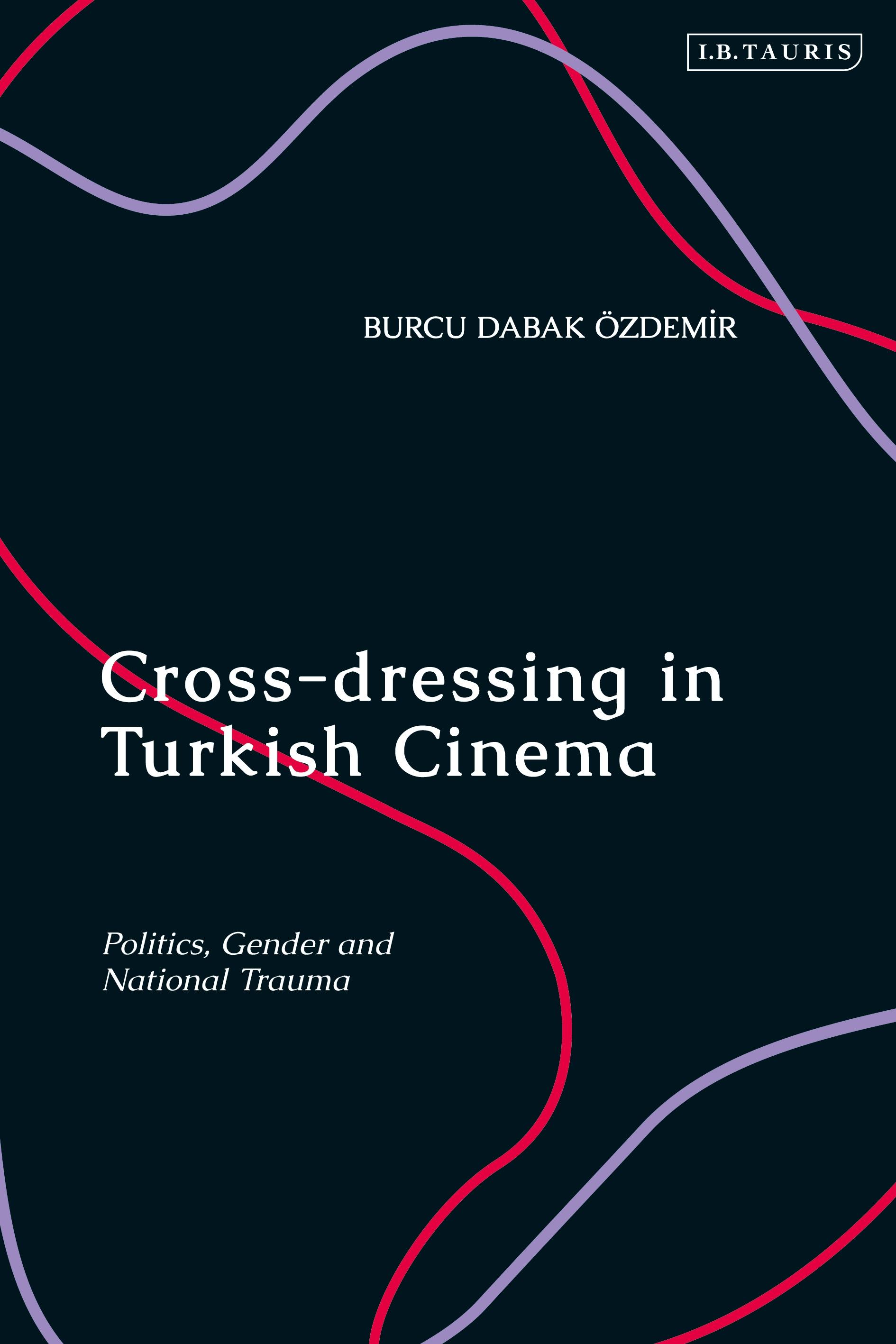
As in western cinema, cross-dressing is a recurrent theme in Turkish film. But what do these films, whose characters typically cross-dress in order to escape enemies or other threats, tell us about the modern history of the Turkish Republic?
This book examines cross-dressing in Turkish films in the context of formative events in modern Turkish political history, arguing that this trope coincides with and is illustrative of trauma induced by Turkey's multiple coup d'etats, periods of authoritarianism, enforced secularism and 'modernization'.
Burcu Dabak Ozdemir analyses five case study films wherein she reveals that cross-dressing characters are able to escape persecutors and surveillance - key instruments of oppression during Turkey's coups. She shows how cross-dressing in the films examined become a destabilising force, a form of implicit resistance against state power, both political and in terms of binaries of gender and identity, and a means to register moments of national trauma. The book historicises the concept of cross-dressing in modern Turkey by examining what the author argues is a formative trauma worked through in the films examined: the westernization policies of the Kemalist regime whose most immediate symbolic presence was worn - the enforced adoption of western dress by citizens.
Of interest to scholars of gender, queer, film and trauma studies, the book will also appeal to students and scholars of contemporary Turkish culture and society.
This book examines cross-dressing in Turkish films in the context of formative events in modern Turkish political history, arguing that this trope coincides with and is illustrative of trauma induced by Turkey's multiple coup d'etats, periods of authoritarianism, enforced secularism and 'modernization'.
Burcu Dabak Ozdemir analyses five case study films wherein she reveals that cross-dressing characters are able to escape persecutors and surveillance - key instruments of oppression during Turkey's coups. She shows how cross-dressing in the films examined become a destabilising force, a form of implicit resistance against state power, both political and in terms of binaries of gender and identity, and a means to register moments of national trauma. The book historicises the concept of cross-dressing in modern Turkey by examining what the author argues is a formative trauma worked through in the films examined: the westernization policies of the Kemalist regime whose most immediate symbolic presence was worn - the enforced adoption of western dress by citizens.
Of interest to scholars of gender, queer, film and trauma studies, the book will also appeal to students and scholars of contemporary Turkish culture and society.
Pay easily by card, Klarna, Apple Pay or Google Pay. Not happy? You always have a 14-day money-back guarantee. Read more in our terms. If you have any questions, email us at hello@memmo.org.
Memmo makes studying easier – wherever you are in the world. We bring your course books and smart study tools together in one place: summaries, quizzes, podcasts and flashcards. Plus Ted, your study buddy who answers anything you wonder. Over 50,000 students already study here – built to help you learn faster and stress less.