
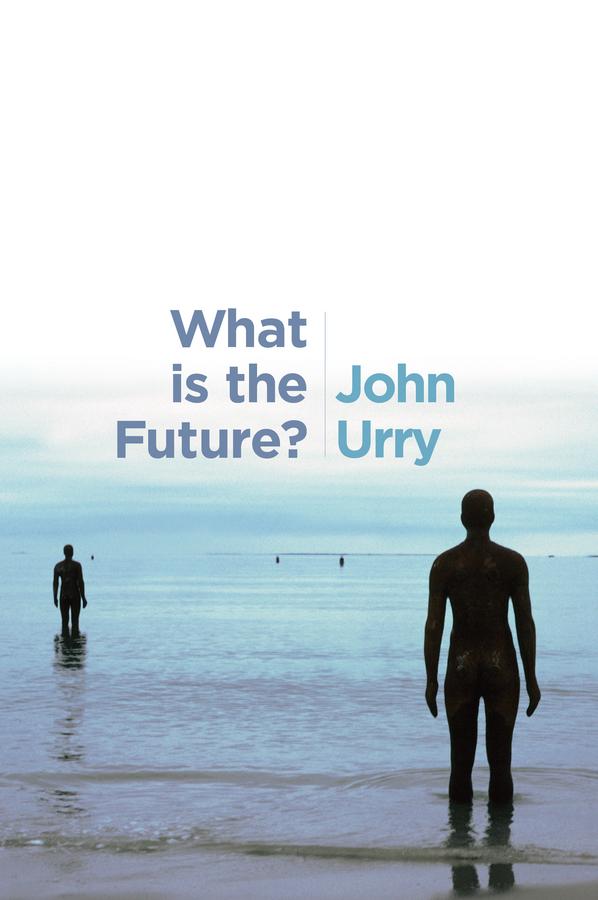
Thinking about the future is essential for almost all organizations and societies. States, corporations, universities, cities, NGOs and individuals believe they cannot miss the future. But what exactly is the future? It remains a mystery perhaps the greatest mystery, especially because futures are unpredictable and often unknowable, the outcome of many factors, known and unknown. The future is rarely a simple extrapolation from the present.
In this important book, John Urry seeks to capture the many efforts that have been made to anticipate, visualize and elaborate the future. This includes examining the methods used to model the future, from those of the RAND Corporation to imagined future worlds in philosophy, literature, art, film, TV and computer games. He shows that futures are often contested and saturated with different interests, especially in relation to future generations. He also shows how analyses of social institutions, practices and lives should be central to examining potential futures, and issues such as who owns the future.
The future seems to be characterized by �wicked problems�. There are multiple �causes� and �solutions�, long-term lock-ins and complex interdependencies, and different social groups have radically different frames for understanding what is at stake. Urry explores these issues through case-studies of 3D printing and the future of manufacturing, mobilities in the city, and the futures of energy and climate change.
In this important book, John Urry seeks to capture the many efforts that have been made to anticipate, visualize and elaborate the future. This includes examining the methods used to model the future, from those of the RAND Corporation to imagined future worlds in philosophy, literature, art, film, TV and computer games. He shows that futures are often contested and saturated with different interests, especially in relation to future generations. He also shows how analyses of social institutions, practices and lives should be central to examining potential futures, and issues such as who owns the future.
The future seems to be characterized by �wicked problems�. There are multiple �causes� and �solutions�, long-term lock-ins and complex interdependencies, and different social groups have radically different frames for understanding what is at stake. Urry explores these issues through case-studies of 3D printing and the future of manufacturing, mobilities in the city, and the futures of energy and climate change.
Pay easily by card, Klarna, Apple Pay or Google Pay. Not happy? You always have a 14-day money-back guarantee. Read more in our terms. If you have any questions, email us at hello@memmo.org.
Memmo makes studying easier – wherever you are in the world. We bring your course books and smart study tools together in one place: summaries, quizzes, podcasts and flashcards. Plus Ted, your study buddy who answers anything you wonder. Over 50,000 students already study here – built to help you learn faster and stress less.
You might also like
Buy the book0