
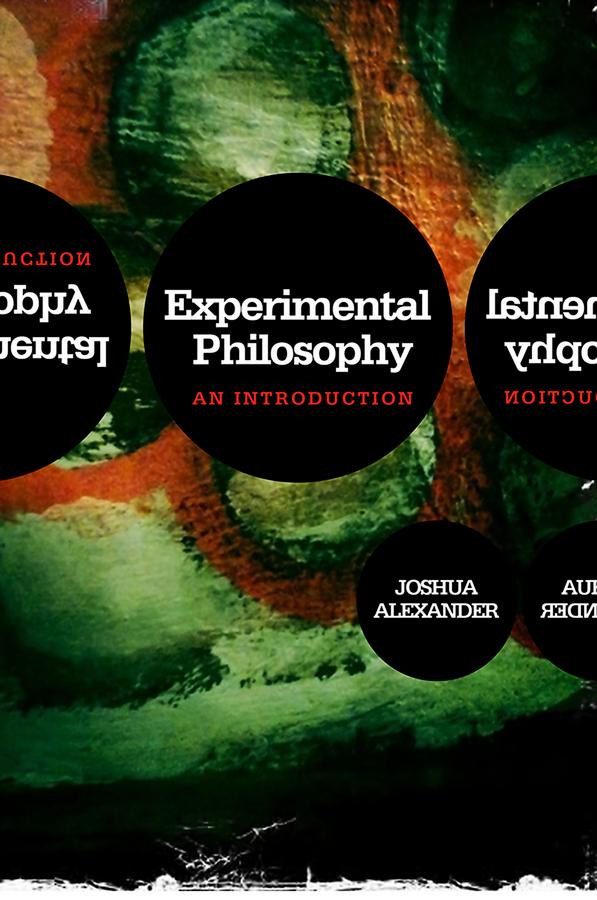
Experimental philosophy uses experimental research methods from psychology and cognitive science in order to investigate both philosophical and metaphilosophical questions. It explores philosophical questions about the nature of the psychological world - the very structure or meaning of our concepts of things, and about the nature of the non-psychological world - the things themselves. It also explores metaphilosophical questions about the nature of philosophical inquiry and its proper methodology.
This book provides a detailed and provocative introduction to this innovative field, focusing on the relationship between experimental philosophy and the aims and methods of more traditional analytic philosophy. Special attention is paid to carefully examining experimental philosophy's quite different philosophical programs, their individual strengths and weaknesses, and the different kinds of contributions that they can make to our philosophical understanding. Clear and accessible throughout, it situates experimental philosophy within both a contemporary and historical context, explains its aims and methods, examines and critically evaluates its most significant claims and arguments, and engages with its critics.
Pay easily by card, Klarna, Apple Pay or Google Pay. Not happy? You always have a 14-day money-back guarantee. Read more in our terms. If you have any questions, email us at hello@memmo.org.
Memmo makes studying easier – wherever you are in the world. We bring your course books and smart study tools together in one place: summaries, quizzes, podcasts and flashcards. Plus Ted, your study buddy who answers anything you wonder. Over 50,000 students already study here – built to help you learn faster and stress less.