
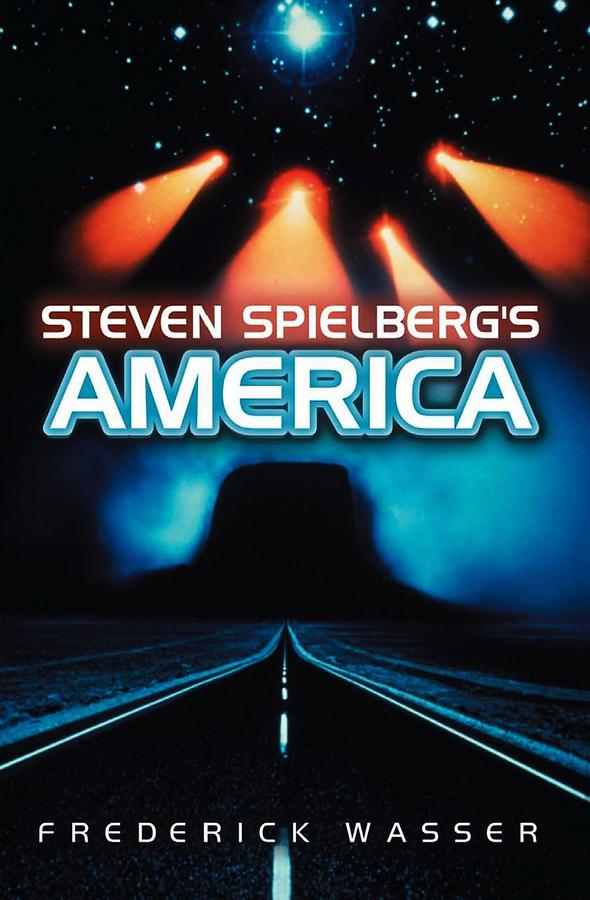
Spielberg’s early films were a triumphant emergence of the Sunbelt aesthetic that valued visceral kicks and basic emotions over the ambiguities of history. Such blockbusters have inspired much debate about their negative effect on politics and have been charged as being an expression of the corporatization of life. Here Frederick Wasser argues that the older Spielberg has not fully gone this way, suggesting that the filmmaker recycles the populist vision of older Hollywood because he sincerely believes in both big time moviemaking and liberal democracy. Nonetheless, his stories are burdened by his generation’s hostility to public life, and the book shows how he uses filmmaking tricks to keep his audience with him and to smooth over the ideological contradictions. His audiences have become more global, as his films engage history.
This fresh and provocative take on Spielberg in the context of globalization, rampant market capitalism and the hardening socio-political landscape of the United States will be fascinating reading for students of film and for anyone interested in contemporary America and its culture.
Pay easily by card, Klarna, Apple Pay or Google Pay. Not happy? You always have a 14-day money-back guarantee. Read more in our terms. If you have any questions, email us at hello@memmo.org.
Memmo makes studying easier – wherever you are in the world. We bring your course books and smart study tools together in one place: summaries, quizzes, podcasts and flashcards. Plus Ted, your study buddy who answers anything you wonder. Over 50,000 students already study here – built to help you learn faster and stress less.