
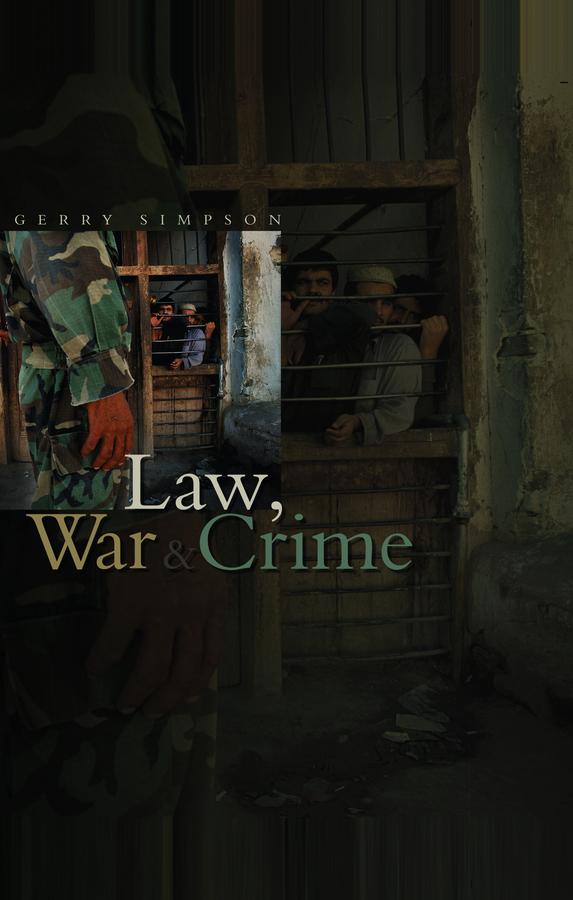
Simpson argues that the field of war crimes is constituted by a number of tensions between, for example, politics and law, local justice and cosmopolitan reckoning, collective guilt and individual responsibility, and between the instinct that war, at worst, is an error and the conviction that war is a crime.
Written in the wake of an extraordinary period in the life of the law, the book asks a number of critical questions. What does it mean to talk about war in the language of the criminal law? What are the consequences of seeking to criminalise the conduct of one's enemies? How did this relatively new phenomenon of putting on trial perpetrators of mass atrocity and defeated enemies come into existence? This book seeks to answer these important questions whilst shedding new light on the complex relationship between law, war and crime.
Pay easily by card, Klarna, Apple Pay or Google Pay. Not happy? You always have a 14-day money-back guarantee. Read more in our terms. If you have any questions, email us at hello@memmo.org.
Memmo makes studying easier – wherever you are in the world. We bring your course books and smart study tools together in one place: summaries, quizzes, podcasts and flashcards. Plus Ted, your study buddy who answers anything you wonder. Over 50,000 students already study here – built to help you learn faster and stress less.