
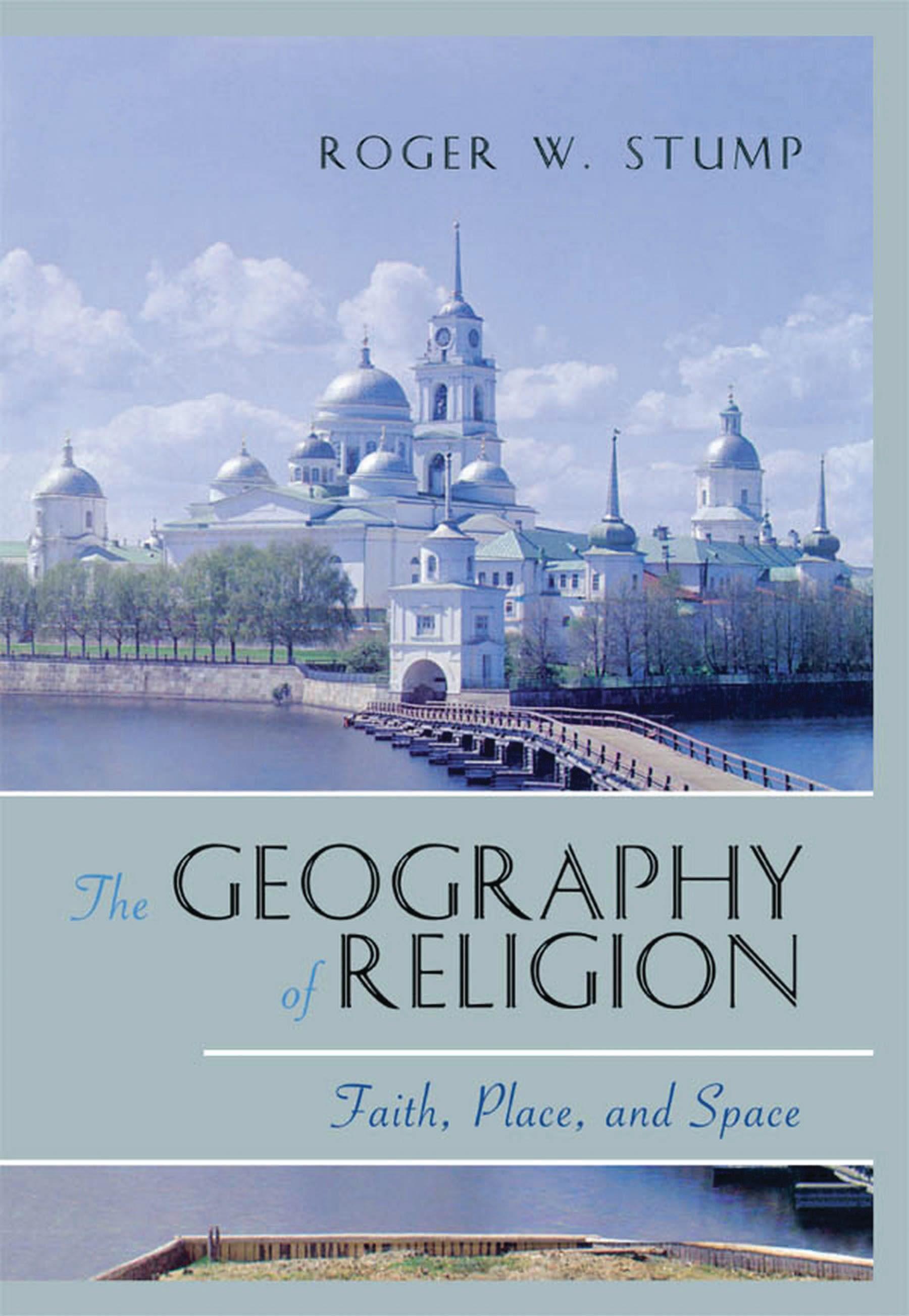
The only book of its kind, this balanced and accessibly written text explores the geographical study of religion. Roger W. Stump presents a clear and meticulous examination of the intersection of religious belief and practice with the concepts of place and space. He begins by analyzing the factors that have shaped the spatial distributions of religious groups, including the seminal events that have fostered the organization of religions in diverse hearths and the subsequent processes of migration and conversion that have spread religious beliefs. The author then assesses how major religions have diversified as they have become established in disparate places, producing a variety of religious systems from a common tradition. Stump explores the efforts of religious groups to control secular space at various scales, relating their own uses of particular spaces and the meanings they attribute to space beyond the boundaries of their own communities. Examining sacred space as a diverse but recurring theme in religious belief, the book considers its role in religious forms of spatial behavior and as a source of conflict within and between religious groups. Refreshingly jargon-free and impartial, this text provides a broad, comparative view of religion as a focus of geographical inquiry.
Pay easily by card, Klarna, Apple Pay or Google Pay. Not happy? You always have a 14-day money-back guarantee. Read more in our terms. If you have any questions, email us at hello@memmo.org.
Memmo makes studying easier – wherever you are in the world. We bring your course books and smart study tools together in one place: summaries, quizzes, podcasts and flashcards. Plus Ted, your study buddy who answers anything you wonder. Over 50,000 students already study here – built to help you learn faster and stress less.