
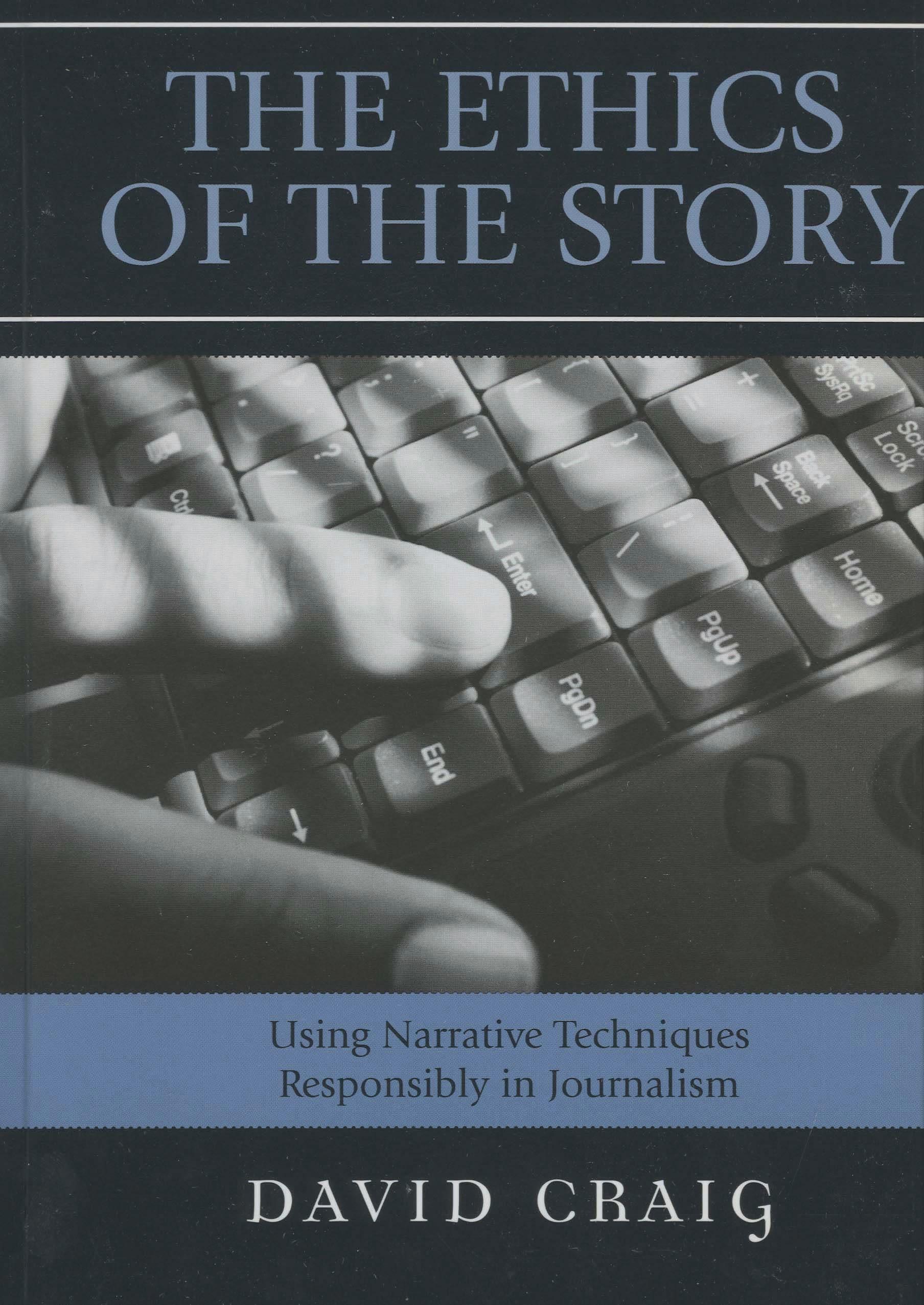
The best journalists are masters at their craft. With a comma and a colon, a vivid verb and a colorful adjective, they not only convey important information but also create a sense of place and evoke powerful emotions. A compelling story can shape_for good or ill_the way a reader understands people, events, and issues. The Ethics of the Story examines the ethical implications of narrative techniques commonly used in journalism, not just literary journalism but also news and feature writing. The book draws on interviews with 60 talented journalists, including Pulitzer Prize winners, to offer practical advice about ethical choices in writing and editing. Much has been written about journalism ethics, but the discussion has often focused on spectacularly bad decisions_such as Jayson BlairOs and Jack KelleyOs use of fraudulent narrative_rather than the ethical dimension of day-to-day choices about the building blocks of journalistic storytelling. The Ethics of the Story fills a gap in current work on ethics, writing, and editing. It will enlighten any serious wordsmith with a story to tell.
Pay easily by card, Klarna, Apple Pay or Google Pay. Not happy? You always have a 14-day money-back guarantee. Read more in our terms. If you have any questions, email us at hello@memmo.org.
Memmo makes studying easier – wherever you are in the world. We bring your course books and smart study tools together in one place: summaries, quizzes, podcasts and flashcards. Plus Ted, your study buddy who answers anything you wonder. Over 75,000 students already study here – built to help you learn faster and stress less.