
To access the maps mentioned in this book, Click Here.
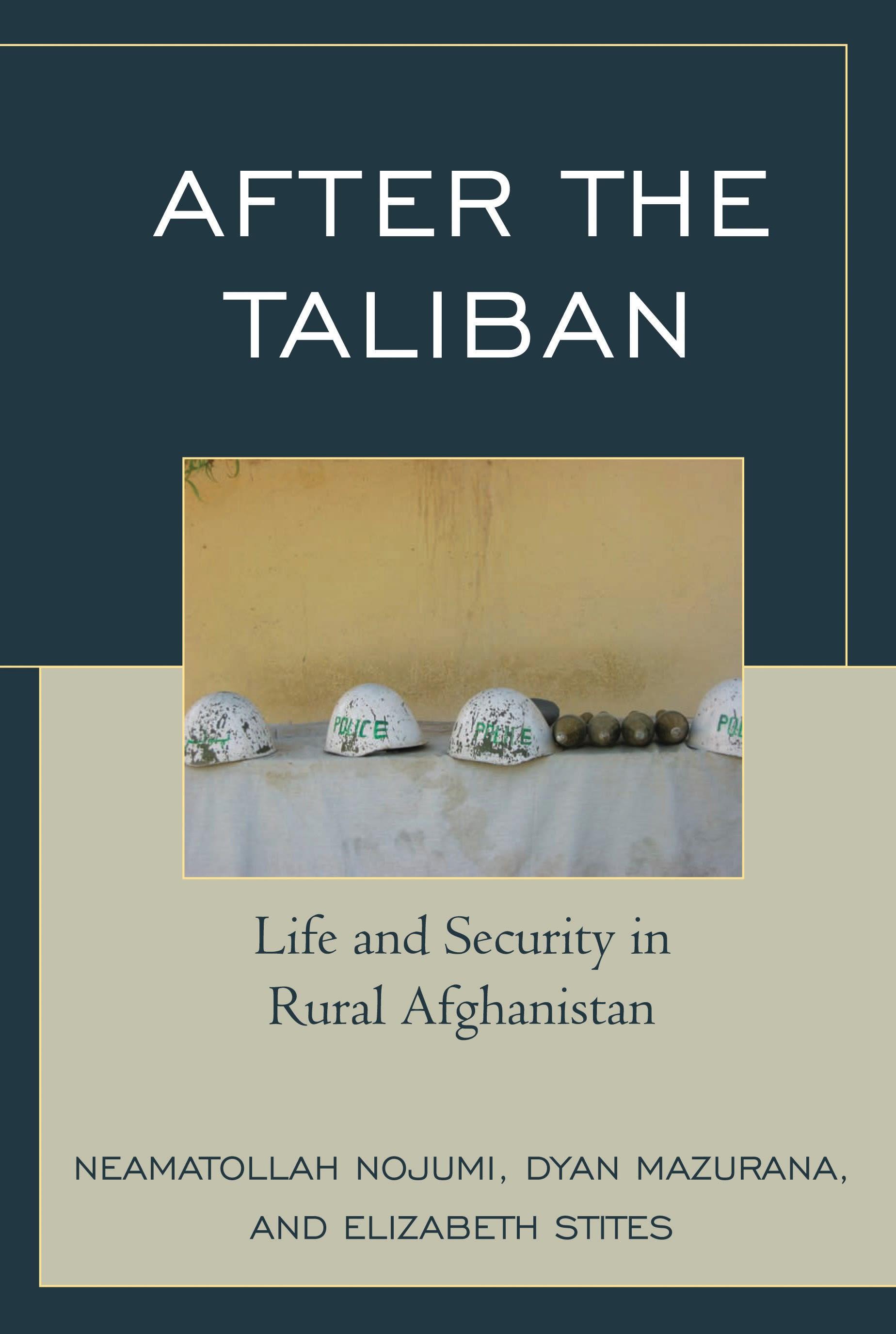
Despite the fall of the Taliban, Afghanistan remains a country in dire need of strong international support. Only with an understanding of the conditions in both urban and rural areas will the international community be able to offer aid and remain committed to long-term development.
This fascinating and clearly written book mines a rich and unique array of data, which was collected in rural areas of Afghanistan by an expert team of researchers, to analyze countrywide trends in the relationship between human security and livelihoods. The team's research and recommendations, published here for the first time, suggest that international assistance or national development strategies that ignore the long-term developmental and structural goals and sideline the moderate elements of Afghan society will be doomed to failure.
The authors' deeply informed policy recommendations will help to focus further action on vital issues such as co-optation of aid by armed political groups; water scarcity; contamination and degradation of the environment; education; health care; agriculture, livestock, and land health; and justice. A valuable resource for students, policymakers, donor governments, and national and international organizations, After the Taliban opens a rare window into the otherwise hidden lives of the people of rural Afghanistan.
Despite the fall of the Taliban, Afghanistan remains a country in dire need of strong international support. Only with an understanding of the conditions in both urban and rural areas will the international community be able to offer aid and remain committed to long-term development.
This fascinating and clearly written book mines a rich and unique array of data, which was collected in rural areas of Afghanistan by an expert team of researchers, to analyze countrywide trends in the relationship between human security and livelihoods. The team's research and recommendations, published here for the first time, suggest that international assistance or national development strategies that ignore the long-term developmental and structural goals and sideline the moderate elements of Afghan society will be doomed to failure.
The authors' deeply informed policy recommendations will help to focus further action on vital issues such as co-optation of aid by armed political groups; water scarcity; contamination and degradation of the environment; education; health care; agriculture, livestock, and land health; and justice. A valuable resource for students, policymakers, donor governments, and national and international organizations, After the Taliban opens a rare window into the otherwise hidden lives of the people of rural Afghanistan.
Pay easily by card, Klarna, Apple Pay or Google Pay. Not happy? You always have a 14-day money-back guarantee. Read more in our terms. If you have any questions, email us at hello@memmo.org.
Memmo makes studying easier – wherever you are in the world. We bring your course books and smart study tools together in one place: summaries, quizzes, podcasts and flashcards. Plus Ted, your study buddy who answers anything you wonder. Over 50,000 students already study here – built to help you learn faster and stress less.