
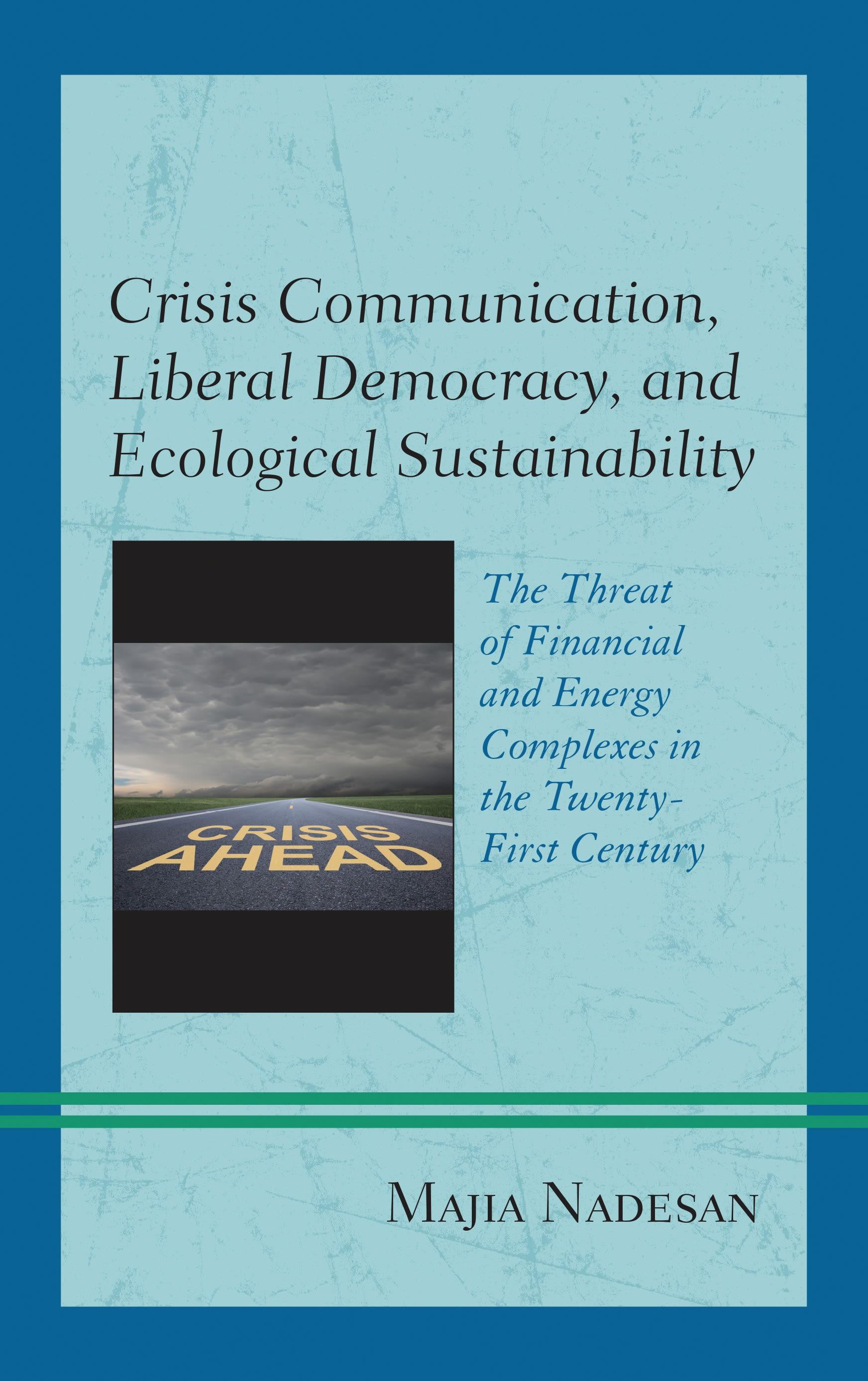
Crisis Communication, Liberal Democracy, and Ecological Sustainability provides a detailed and empirical analysis of the institutions, governing logics, risk-management practices, and crisis communication strategies involved in the 2007–2008 financial crisis, the 2010 BP oil crisis, and the 2011 Fukushima Daiichi nuclear crisis. These human-engineered crises threaten sustainability through resource depletion, environmental degradation, and the growth of geo-political conflicts. Yet, the corporations responsible have returned to profitability by externalizing risks to communities and governments. In response to this pattern of crisis management, Nadesan argues that contemporary financial and energy complexes pose significant threats to liberal democracy and ecological sustainability. This book will be of interest to scholars of communication studies, cultural studies, sociology, political science, anthropology, and economics.
Pay easily by card, Klarna, Apple Pay or Google Pay. Not happy? You always have a 14-day money-back guarantee. Read more in our terms. If you have any questions, email us at hello@memmo.org.
Memmo makes studying easier – wherever you are in the world. We bring your course books and smart study tools together in one place: summaries, quizzes, podcasts and flashcards. Plus Ted, your study buddy who answers anything you wonder. Over 75,000 students already study here – built to help you learn faster and stress less.