
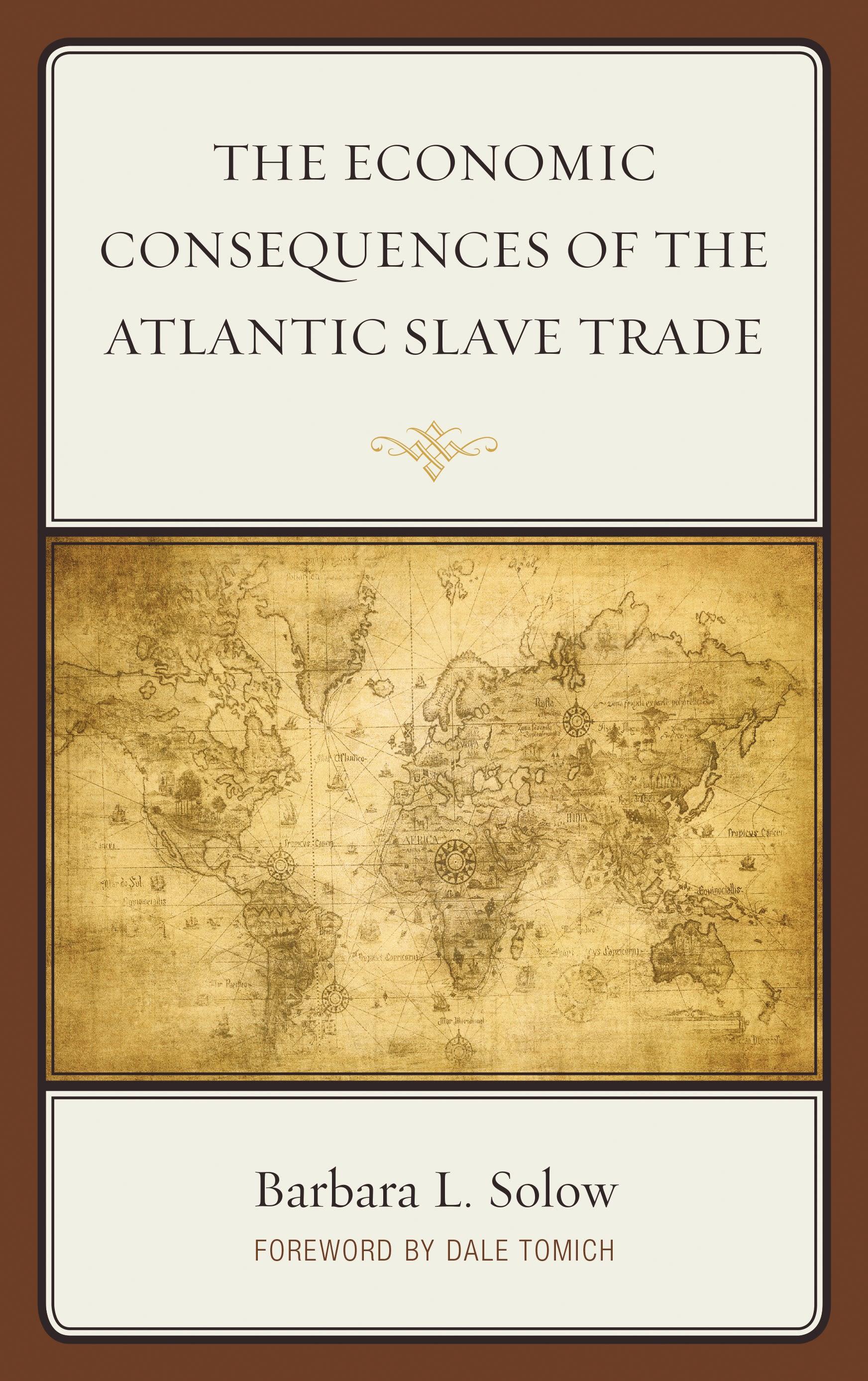
The Economic Consequences of the Atlantic Slave Trade shows how the West Indian slave/sugar/plantation complex, organized on capitalist principles of private property and profit-seeking, joined the western hemisphere to the international trading system encompassing Europe, Africa, North America, and the Caribbean, and was an important determinant of the timing and pattern of the Industrial Revolution in England. The new industrial economy was no longer dependent on slavery for development, but rested instead on investment and innovation. Solow argues that abolition of the slave trade and emancipation should be understood in this context.
Pages: 150
Category: Ekonomi & Utveckling
e-ISBN: 9780739192474
Shipping weight: 1.2 kg
Ships in: 1-2 days
Pay easily by card, Klarna, Apple Pay or Google Pay. Not happy? You always have a 14-day money-back guarantee. Read more in our terms. If you have any questions, email us at hello@memmo.org.
Memmo makes studying easier – wherever you are in the world. We bring your course books and smart study tools together in one place: summaries, quizzes, podcasts and flashcards. Plus Ted, your study buddy who answers anything you wonder. Over 50,000 students already study here – built to help you learn faster and stress less.