
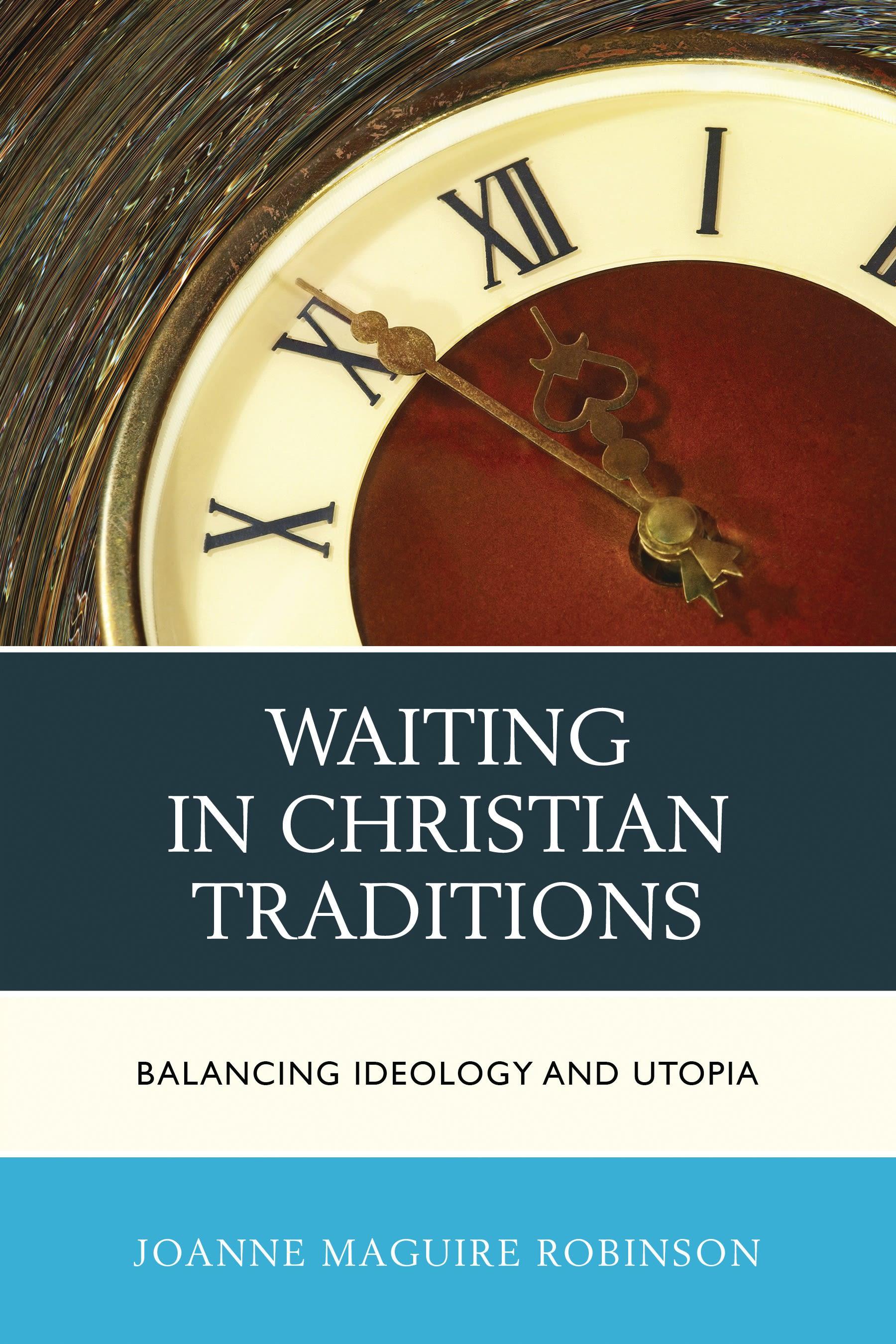
Christians wait for prayers to be answered, for an afterlife in heaven, for the Virgin Mary to appear, and for God to speak. They wait to be liberated from oppression, to be “saved” or born again, for Easter morning to dawn, for healing, for conversion, and for baptism. Waiting and the disappointment and hope that often accompany it are explained in terms that are, at first glance, remarkably invariant across Christian traditions: what will happen will happen “on God’s time.” A study of sources from across Christian traditions shows that there is considerable complexity beneath this surface claim. Understandings of free will and personal agency alongside shifts in institutional and theological commitments change the ways waiting is understood and valued. Waiting is often considered a positive state to be endured as long as God wills, and that fundamental understanding helps keep the promises at the heart of Christianity alive. Scholars have long overlooked the problem and promise of waiting despite (or perhaps because of) its prevalence. Indeed, there are relatively few mystics, few who have undergone “sudden” conversion, and few who have attained saintly status. Many, however, have waited, and that problem remains prominent—and its solutions remain influential—in Christian traditions today.
Pay easily by card, Klarna, Apple Pay or Google Pay. Not happy? You always have a 14-day money-back guarantee. Read more in our terms. If you have any questions, email us at hello@memmo.org.
Memmo makes studying easier – wherever you are in the world. We bring your course books and smart study tools together in one place: summaries, quizzes, podcasts and flashcards. Plus Ted, your study buddy who answers anything you wonder. Over 50,000 students already study here – built to help you learn faster and stress less.