
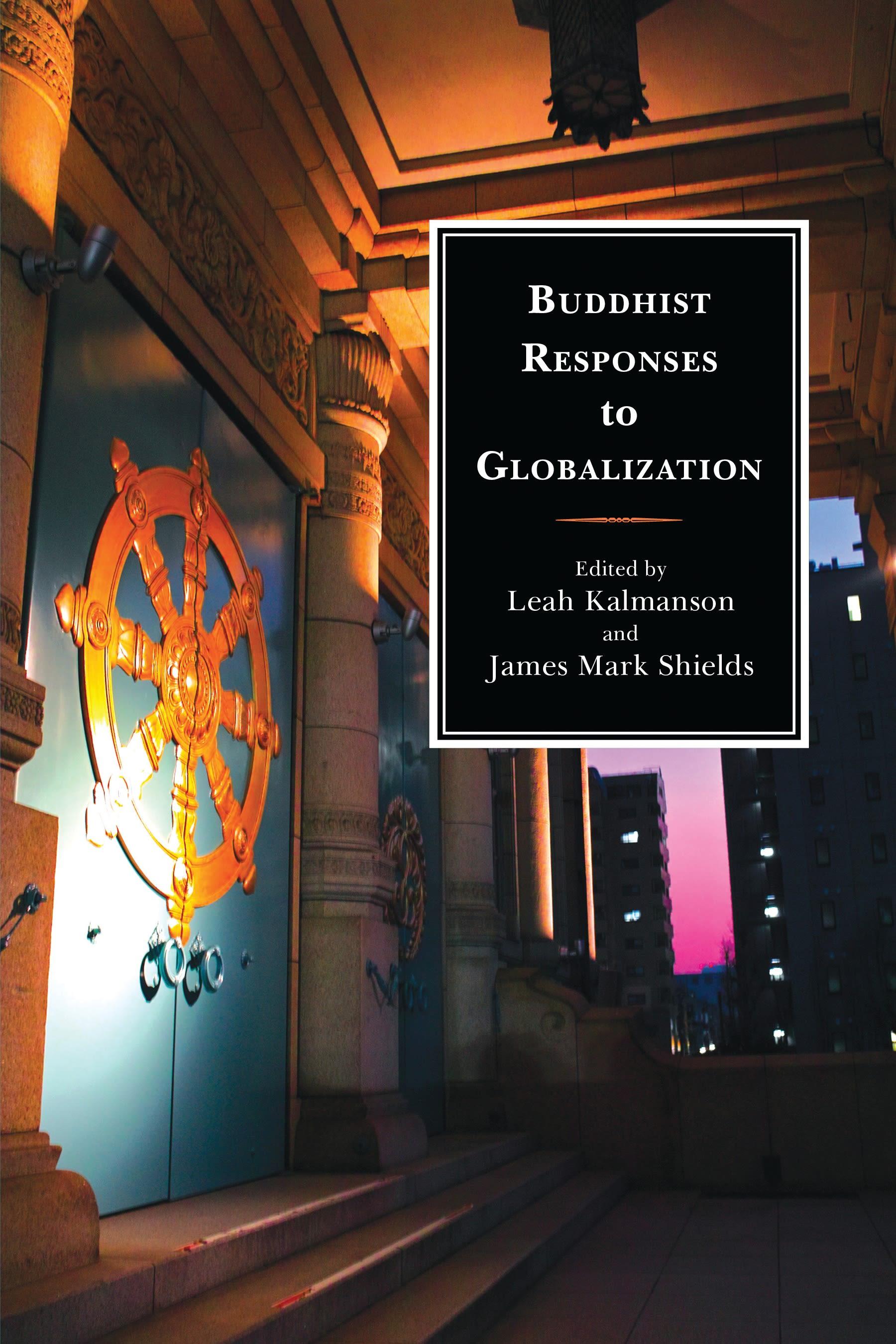
This interdisciplinary collection of essays highlights the relevance of Buddhist doctrine and practice to issues of globalization. From various philosophical, religious, historical, and political perspectives, the authors show that Buddhism—arguably the world’s first transnational religion—is a rich resource for navigating today's interconnected world. Buddhist Responses to Globalization addresses globalization as a contemporary phenomenon, marked by economic, cultural, and political deterritorialization, and also proposes concrete strategies for improving global conditions in light of these facts. Topics include Buddhist analyses of both capitalist and materialist economies; Buddhist religious syncretism in highly multicultural areas such as Honolulu; the changing face of Buddhism through the work of public intellectuals such as Alice Walker; and Buddhist responses to a range of issues including reparations and restorative justice, economic inequality, spirituality and political activism, cultural homogenization and nihilism, and feminist critique. In short, the book looks to bring Buddhist ideas and practices into direct and meaningful, yet critical, engagement with both the facts and theories of globalization.
Pay easily by card, Klarna, Apple Pay or Google Pay. Not happy? You always have a 14-day money-back guarantee. Read more in our terms. If you have any questions, email us at hello@memmo.org.
Memmo makes studying easier – wherever you are in the world. We bring your course books and smart study tools together in one place: summaries, quizzes, podcasts and flashcards. Plus Ted, your study buddy who answers anything you wonder. Over 50,000 students already study here – built to help you learn faster and stress less.