
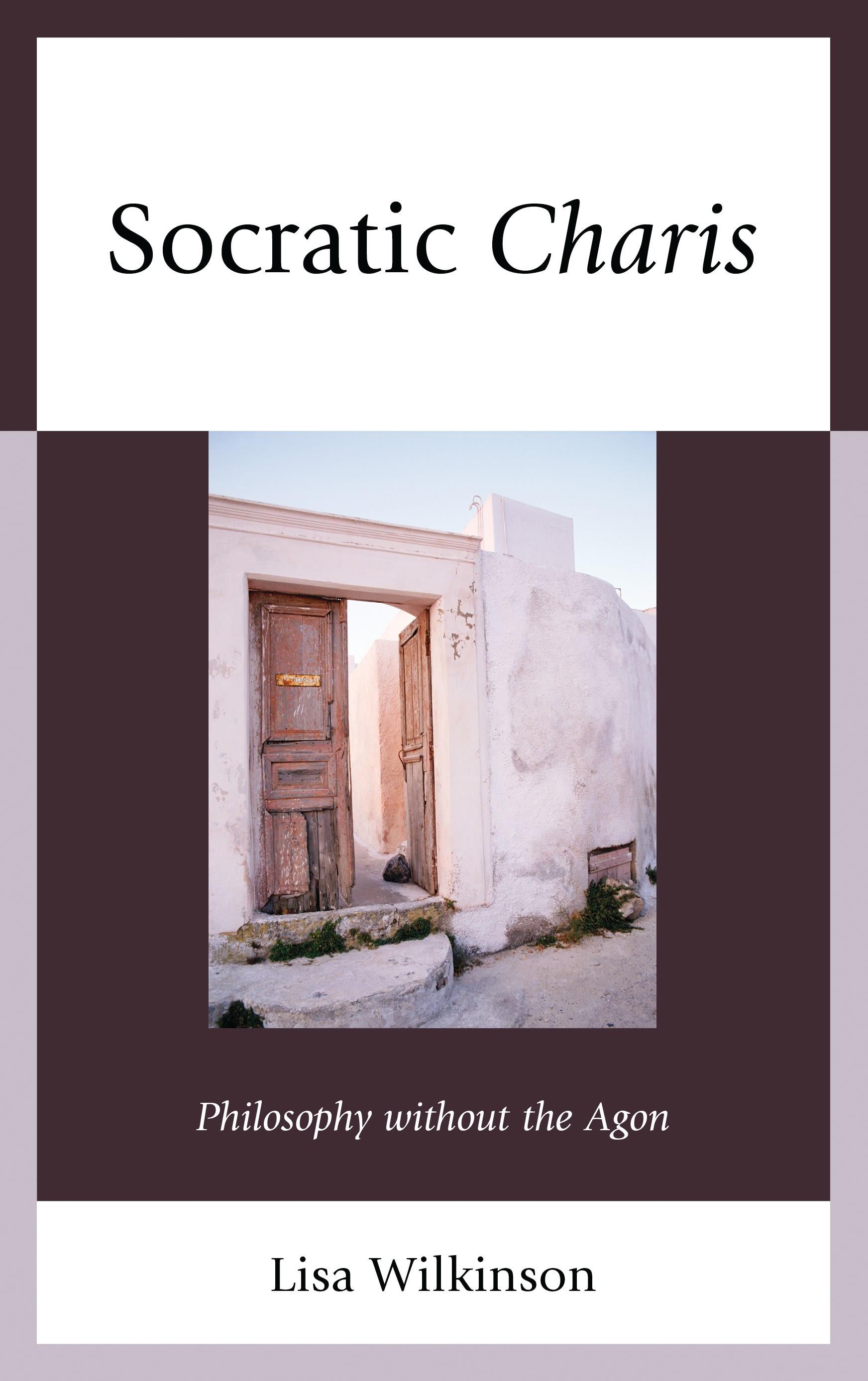
This book explores the possibility that Plato’s philosophia is influenced by non-agonal practices and values that historically and philosophically antedate the agonal practices of the Athenian ekklesia. The author surveys literature concerning the predominance of agonal in ancient Greek culture, the values associated with oral poetic performance as a religious practice, and the ubiquitous character of the gift practice known as xenia in the ancient world. The author compares the structure of the agon to the structure of other ancient practices, and reasons that while agonistic practices are oppositional and binary, poetic and social practices are narrative and plural and exemplify, alternative to the agonal, the value of charis—grace. Reading Socratic speech and Socratic inquiry in terms of charis illuminates the narrative structure of Plato’s portrayal of Socrates and precludes one-dimensional analyses of Plato’s writings as philosophically agonistic and demonstrative. Rather the value of Socratic charis illustrates the value of genuine dialogue, and the author suggests how revaluing Socratic dialogue in light of charis can be relevant to current thinking about philosophy, politics, and the agon.
Pay easily by card, Klarna, Apple Pay or Google Pay. Not happy? You always have a 14-day money-back guarantee. Read more in our terms. If you have any questions, email us at hello@memmo.org.
Memmo makes studying easier – wherever you are in the world. We bring your course books and smart study tools together in one place: summaries, quizzes, podcasts and flashcards. Plus Ted, your study buddy who answers anything you wonder. Over 50,000 students already study here – built to help you learn faster and stress less.