
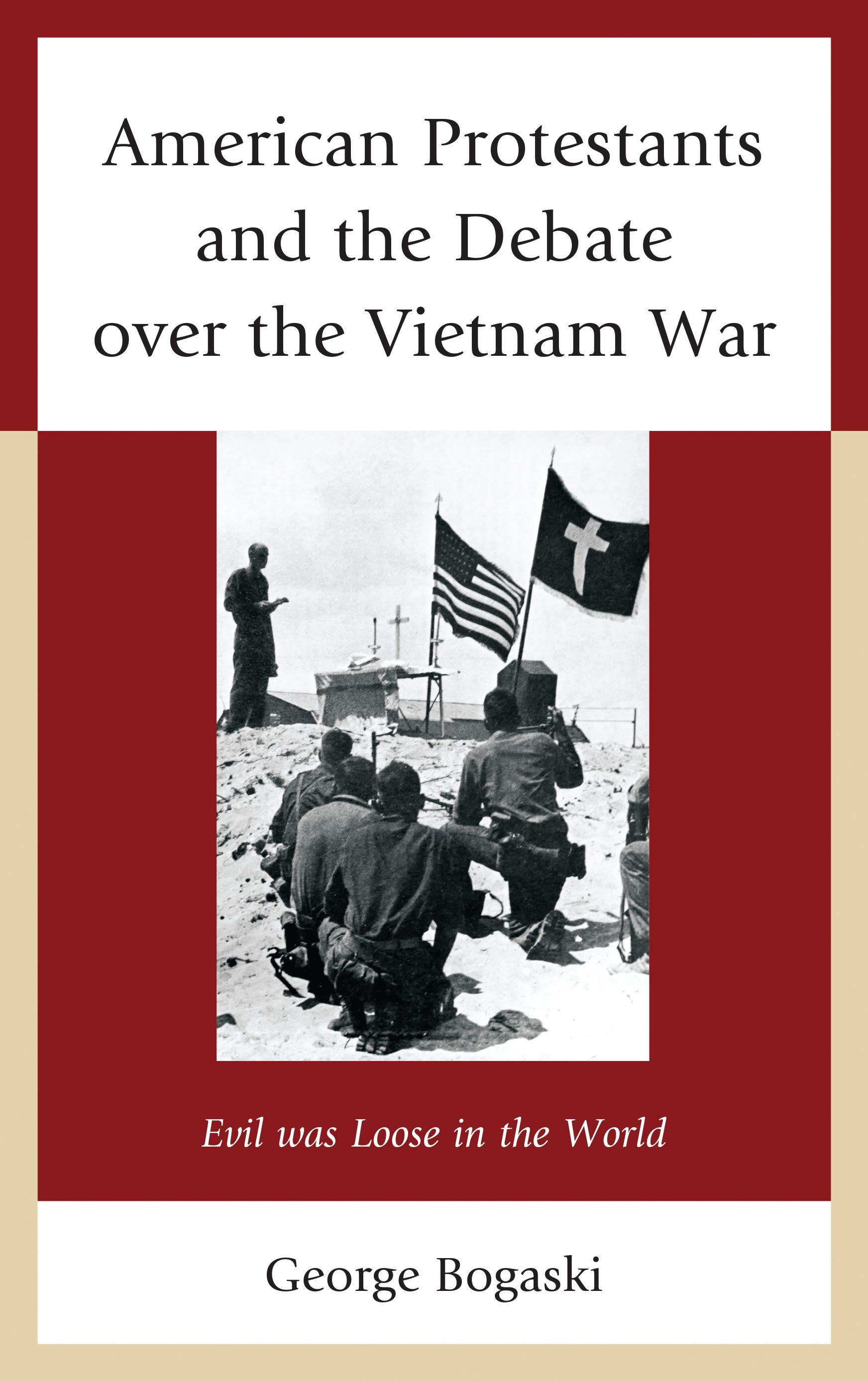
As American soldiers fought overseas in Vietnam, American churchmen debated the legitimacy and impact of the war at home. While the justness of the war was the primary issue, they also argued over conscientious objection, the legitimacy of protests, the weapons of war, and other related topics. Divided into three primary groups—mainline, conservative evangelical, and African American—and including fourteen denominations, this book uses the churchmen’s publications and proceedings to better understand how American religion responded to and was impacted by the Vietnam War.
In the various debates, churchmen brought their theological convictions and reading of the Bible to bear on their political perspectives. Convictions about sin, the nature of man, the fate of the world, violence and benevolence had direct impact upon the foreign policy perspectives of these churches. Rather than result in static political positions, these convictions adapted as the nature of the war and the likelihood of American success changed over time.
The positions taken by American denominations brought about attitudes of support, opposition, and ambivalence toward the war, but also impacted the vibrancy of many churches. Some groups were rent asunder by the fractious, debilitating debate. Other churches, due to their greater ideological clarity and unanimity, saw the war provide an impetus for growth. Regardless of the individual consequences, the debate over the Vietnam War provides a concrete study of the intersection of religion and politics.
In the various debates, churchmen brought their theological convictions and reading of the Bible to bear on their political perspectives. Convictions about sin, the nature of man, the fate of the world, violence and benevolence had direct impact upon the foreign policy perspectives of these churches. Rather than result in static political positions, these convictions adapted as the nature of the war and the likelihood of American success changed over time.
The positions taken by American denominations brought about attitudes of support, opposition, and ambivalence toward the war, but also impacted the vibrancy of many churches. Some groups were rent asunder by the fractious, debilitating debate. Other churches, due to their greater ideological clarity and unanimity, saw the war provide an impetus for growth. Regardless of the individual consequences, the debate over the Vietnam War provides a concrete study of the intersection of religion and politics.
Pay easily by card, Klarna, Apple Pay or Google Pay. Not happy? You always have a 14-day money-back guarantee. Read more in our terms. If you have any questions, email us at hello@memmo.org.
Memmo makes studying easier – wherever you are in the world. We bring your course books and smart study tools together in one place: summaries, quizzes, podcasts and flashcards. Plus Ted, your study buddy who answers anything you wonder. Over 50,000 students already study here – built to help you learn faster and stress less.