
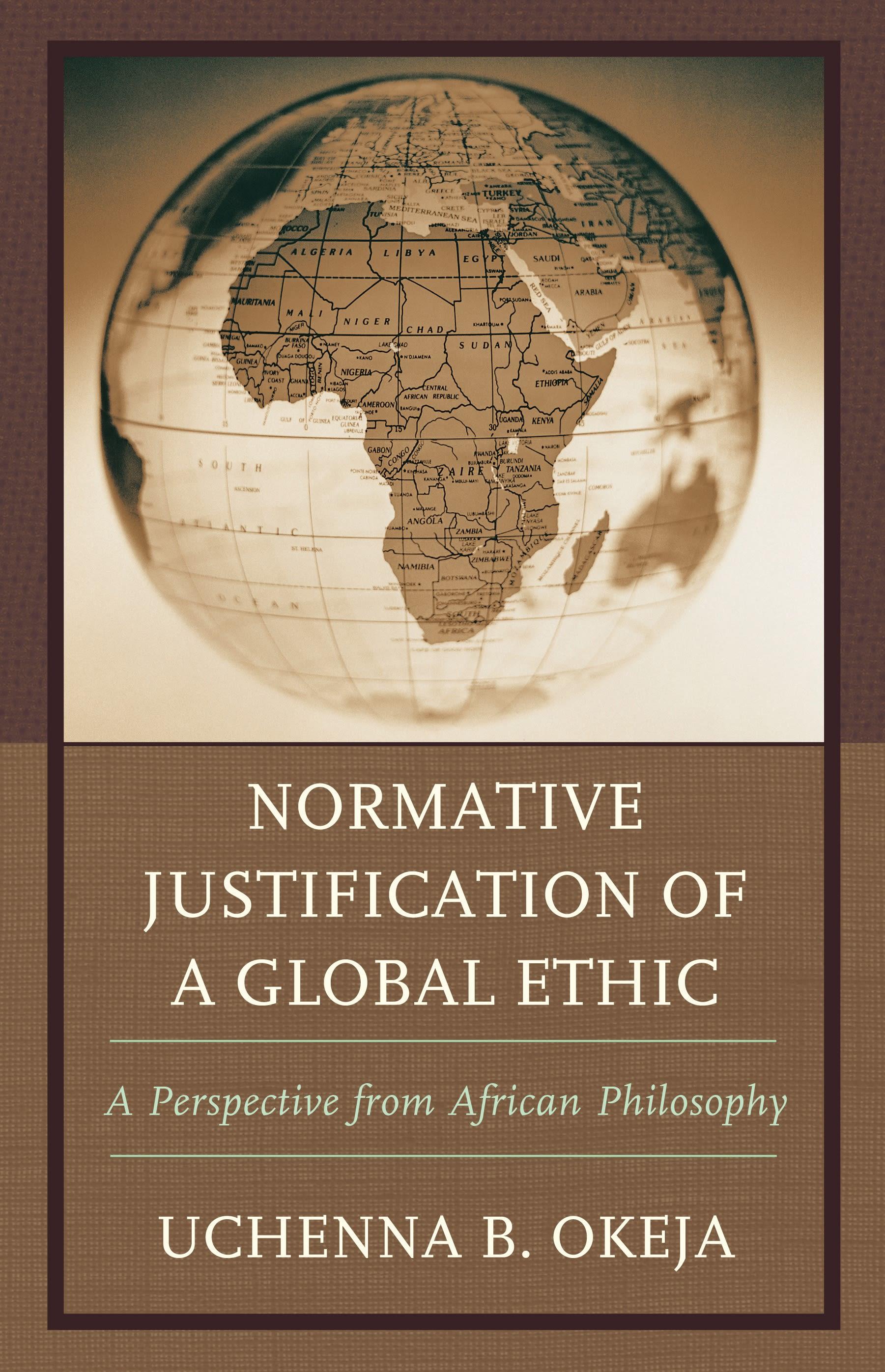
The focus of this book is the normativity of global ethic. Over the years, different cultures and civilizations have been brought closer than never before by globalization. This trend has both its negative and positive dimensions. Overall, the main problem of this present trend of societal organization and human interaction called globalization is a moral issue, namely, the question: how should we treat one another? Okeja's global ethic seeks to answer this question. It underscores that we should treat one another in our current age of globalization in accordance with the Golden Rule principle. The suggestion of this ethic is therefore that we should not treat others the way we would not want to be treated. This sounds simple enough. The problem, however, is that it is not exactly clear what this principle of moral conduct would suggest in both simple and complex moral situations. Most importantly, it is not clear why it is reasonable to treat people the way we would not want to be treated. Why, in other words, should we act in accordance with the Golden Rule principle? What is the justification of the demand the Golden Rule makes on us? This book answers these and other questions about the normative plausibility of the Golden Rule, and thus global ethic, from the comparative perspective of ethics in African philosophy. It analyzes three stages of the possible normative justification of the moral imperative of global ethic and proposes a deliberative form of justification.
Pay easily by card, Klarna, Apple Pay or Google Pay. Not happy? You always have a 14-day money-back guarantee. Read more in our terms. If you have any questions, email us at hello@memmo.org.
Memmo makes studying easier – wherever you are in the world. We bring your course books and smart study tools together in one place: summaries, quizzes, podcasts and flashcards. Plus Ted, your study buddy who answers anything you wonder. Over 50,000 students already study here – built to help you learn faster and stress less.