
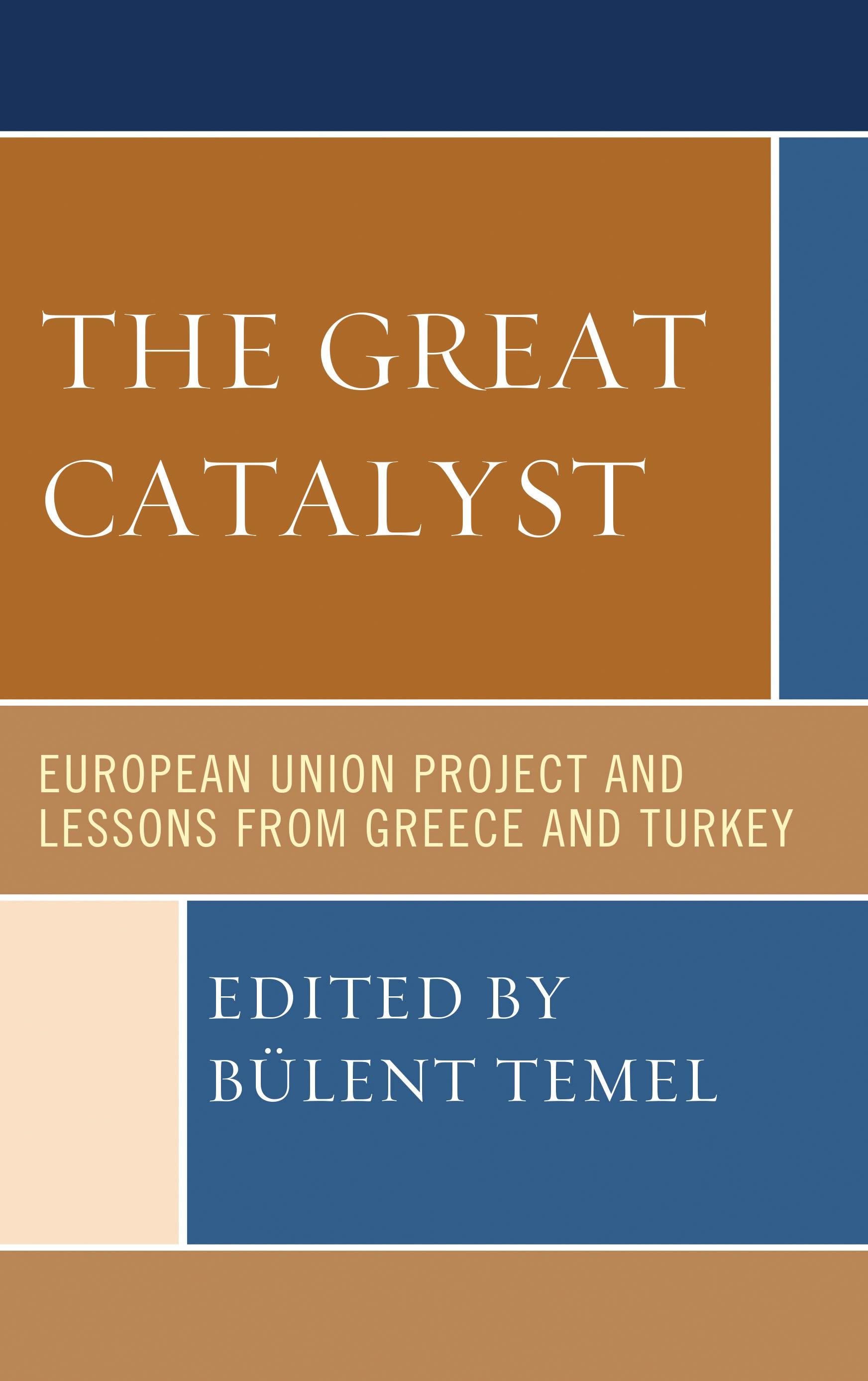
For over half a century, European Union has been a promising endeavor of cooperative institutionalism. It has shown that even nation states with a long history of conflict are capable of collaborating with one another to serve their own interests. However, the EU project has also made visible that there is no one-size-fits-all policy in economics that can be applied to all countries with success. Economics starts and ends with the society. Common culture determines the outcomes of economic policies, and ordinary people pick up the bill when policies turn out to be failures.
This book presents two different tales of the European Union to provide an empirical challenge to oversimplified assumptions behind the neoliberal orthodoxy in policymaking: Favorable experience of the EU-candidate Turkey, and the regrettable venture of the EU-member Greece. The fact that these two neighboring countries with similar cultures have had vastly different experiences with the European Union suggests that the EU functions as a catalyst of change in the countries that associate with it, but this impact could be negative as well as positive depending on the role the EU plays. Political economist Bülent Temel presents a lucid analysis of the Turkish and Greek encounters with the EU—based on contributions from a diverse range of social sciences; economics, game theory, finance, political science and sociology.
This book presents two different tales of the European Union to provide an empirical challenge to oversimplified assumptions behind the neoliberal orthodoxy in policymaking: Favorable experience of the EU-candidate Turkey, and the regrettable venture of the EU-member Greece. The fact that these two neighboring countries with similar cultures have had vastly different experiences with the European Union suggests that the EU functions as a catalyst of change in the countries that associate with it, but this impact could be negative as well as positive depending on the role the EU plays. Political economist Bülent Temel presents a lucid analysis of the Turkish and Greek encounters with the EU—based on contributions from a diverse range of social sciences; economics, game theory, finance, political science and sociology.
Pay easily by card, Klarna, Apple Pay or Google Pay. Not happy? You always have a 14-day money-back guarantee. Read more in our terms. If you have any questions, email us at hello@memmo.org.
Memmo makes studying easier – wherever you are in the world. We bring your course books and smart study tools together in one place: summaries, quizzes, podcasts and flashcards. Plus Ted, your study buddy who answers anything you wonder. Over 75,000 students already study here – built to help you learn faster and stress less.