
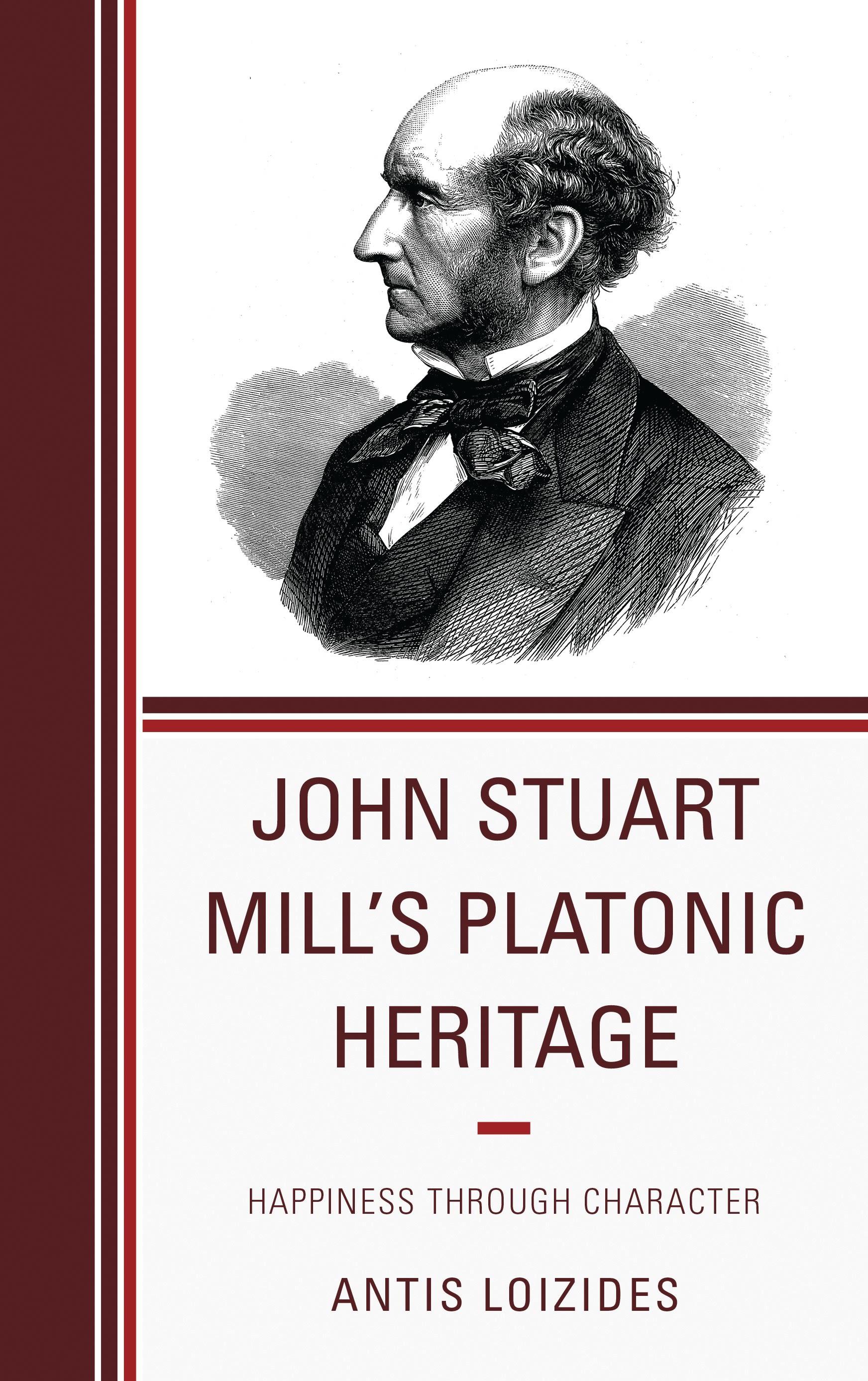
In the early draft of his Autobiography (London, 1873), John Stuart Mill described himself as “a pupil of Plato, and cast in the mould of his dialectics.” However, how Plato’s influence came about, to what extent, and with regard to which aspects of Mill’s thought, form questions that do not usually preoccupy Mill scholarship. To fill this gap in critical attention, this book draws upon a variety of primary sources to pay particular attention to Mill’s concern with reform, method, character, virtue, and happiness through his reading of the ancient Greeks—particularly Plato. At the same time, this book focuses on the intellectual relationship between father and son, studying their responses to the prevalent trends as to the worth of classical studies and of Platonic philosophy in nineteenth-century Britain. Not only does John Stuart Mill’s “intoxication” with ancient Greece manifest itself in all those aspects of his works already mentioned; but—what is most important—it also permeates his unvarying aim: the improvement of mankind through the improvement of its individual members.
Pay easily by card, Klarna, Apple Pay or Google Pay. Not happy? You always have a 14-day money-back guarantee. Read more in our terms. If you have any questions, email us at hello@memmo.org.
Memmo makes studying easier – wherever you are in the world. We bring your course books and smart study tools together in one place: summaries, quizzes, podcasts and flashcards. Plus Ted, your study buddy who answers anything you wonder. Over 50,000 students already study here – built to help you learn faster and stress less.