
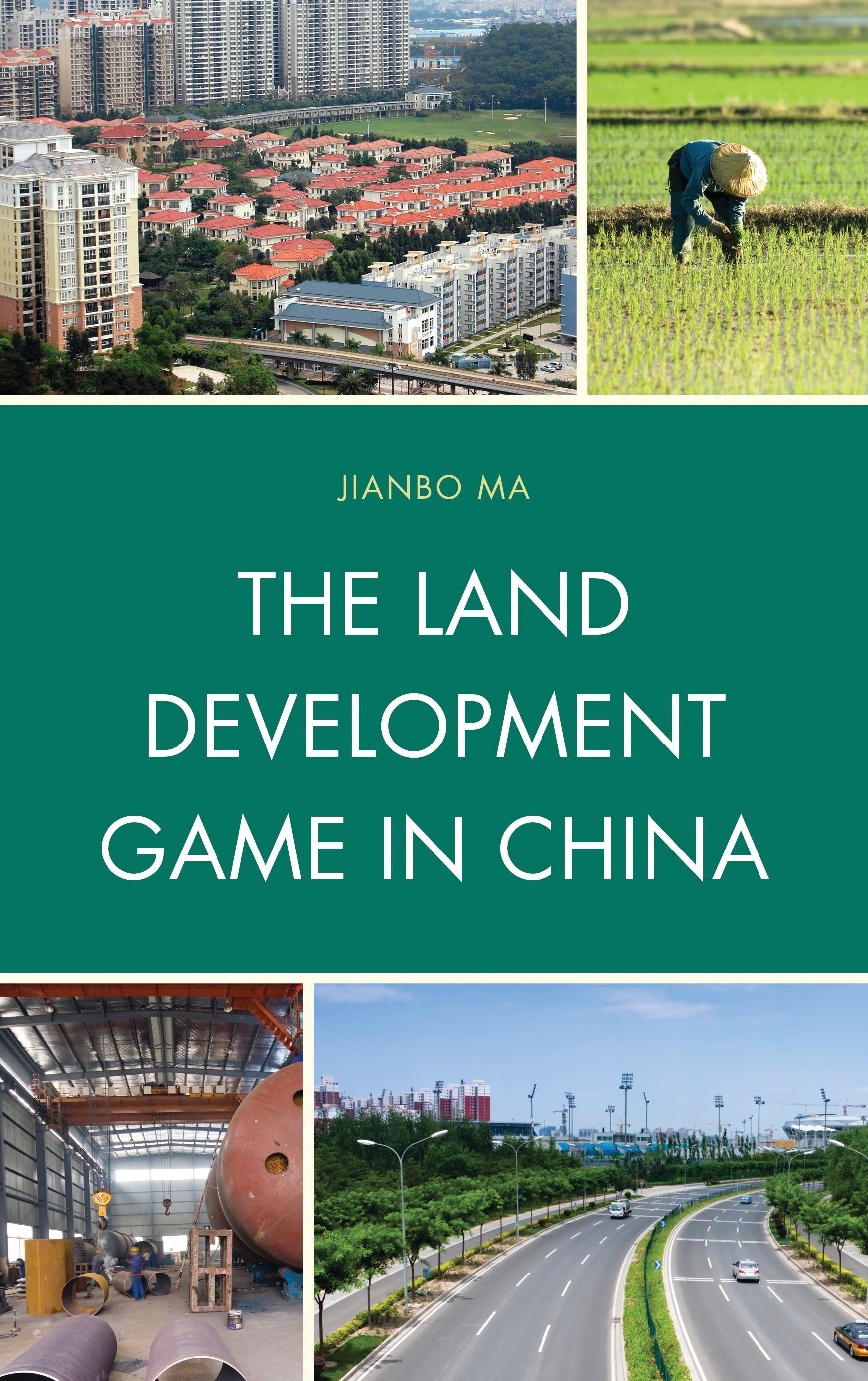
The book describes how land plays a central role in the rapid economic growth of a Chinese region (with the fictitious name of “Dragon County”). Concerned with grain self-sufficiency, the national government of China employs a central planning approach to control the amount of farmland to be converted to urban uses each year. However, the scarcity of land development rights creates high incentives for various local players to evade national policies. Supported by a large number of specific examples, the book illustrates how local players adopt many kinds of strategies to engage in informal land development, and how the national government maneuvers its policies such that both farmland protection and economic growth objectives are achieved. The story of Dragon County, though not necessarily representative of other Chinese regions, suggests that the existing land system has worked reasonably well in promoting land use efficiency and economic growth at the same time, but the distributional problems created reflect a strong need for changing the rules of the game.
Pay easily by card, Klarna, Apple Pay or Google Pay. Not happy? You always have a 14-day money-back guarantee. Read more in our terms. If you have any questions, email us at hello@memmo.org.
Memmo makes studying easier – wherever you are in the world. We bring your course books and smart study tools together in one place: summaries, quizzes, podcasts and flashcards. Plus Ted, your study buddy who answers anything you wonder. Over 50,000 students already study here – built to help you learn faster and stress less.