
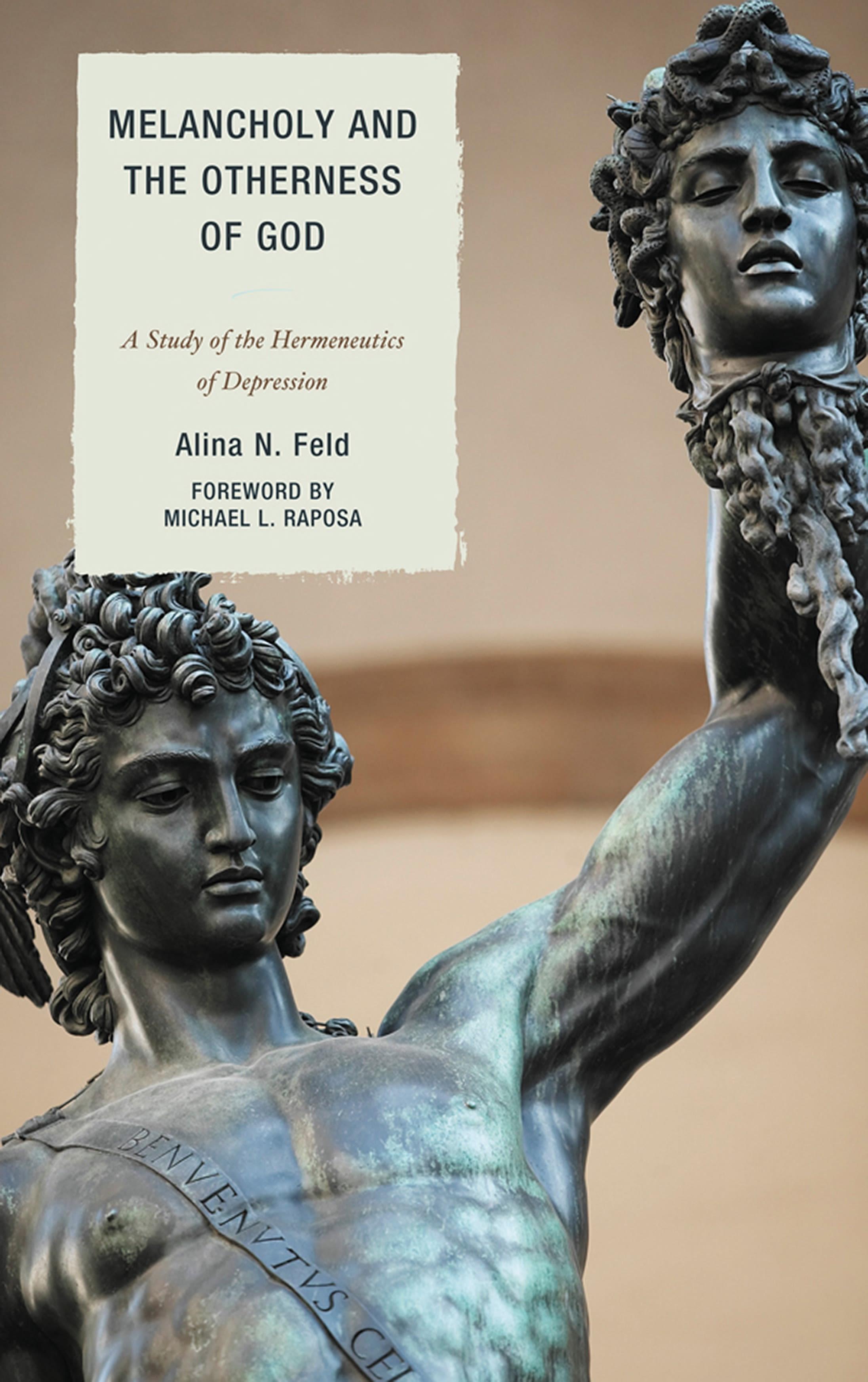
An impressive study that prompts the reader toward philosophical reflection on the hermeneutics of melancholy in its relation to maturing theological understanding and cultivation of a profound self-consciousness. Melancholy has been interpreted as a deadly sin or demonic temptation to non-being, yet its history of interpretation reveals a progressive coming to terms with the dark mood that ultimately unveils it as the self's own ground and a trace of the abysmal nature of God. The book advances two provocative claims: that far from being a contingent condition, melancholy has been progressively acknowledged as constitutive of subjectivity as such, a trace of divine otherness and pathos, and that the effort to transcend melancholy-like Perseus vanquishing Medusa-is a necessary labor of maturing self-consciousness. Reductive attempts to eliminate it, besides being dangerously utopian, risk overcoming the labor of the soul that makes us human. This study sets forth a rigorous scholarly argument that spans several disciplines, including philosophy, theology, psychology, and literary studies.
Pay easily by card, Klarna, Apple Pay or Google Pay. Not happy? You always have a 14-day money-back guarantee. Read more in our terms. If you have any questions, email us at hello@memmo.org.
Memmo makes studying easier – wherever you are in the world. We bring your course books and smart study tools together in one place: summaries, quizzes, podcasts and flashcards. Plus Ted, your study buddy who answers anything you wonder. Over 50,000 students already study here – built to help you learn faster and stress less.