
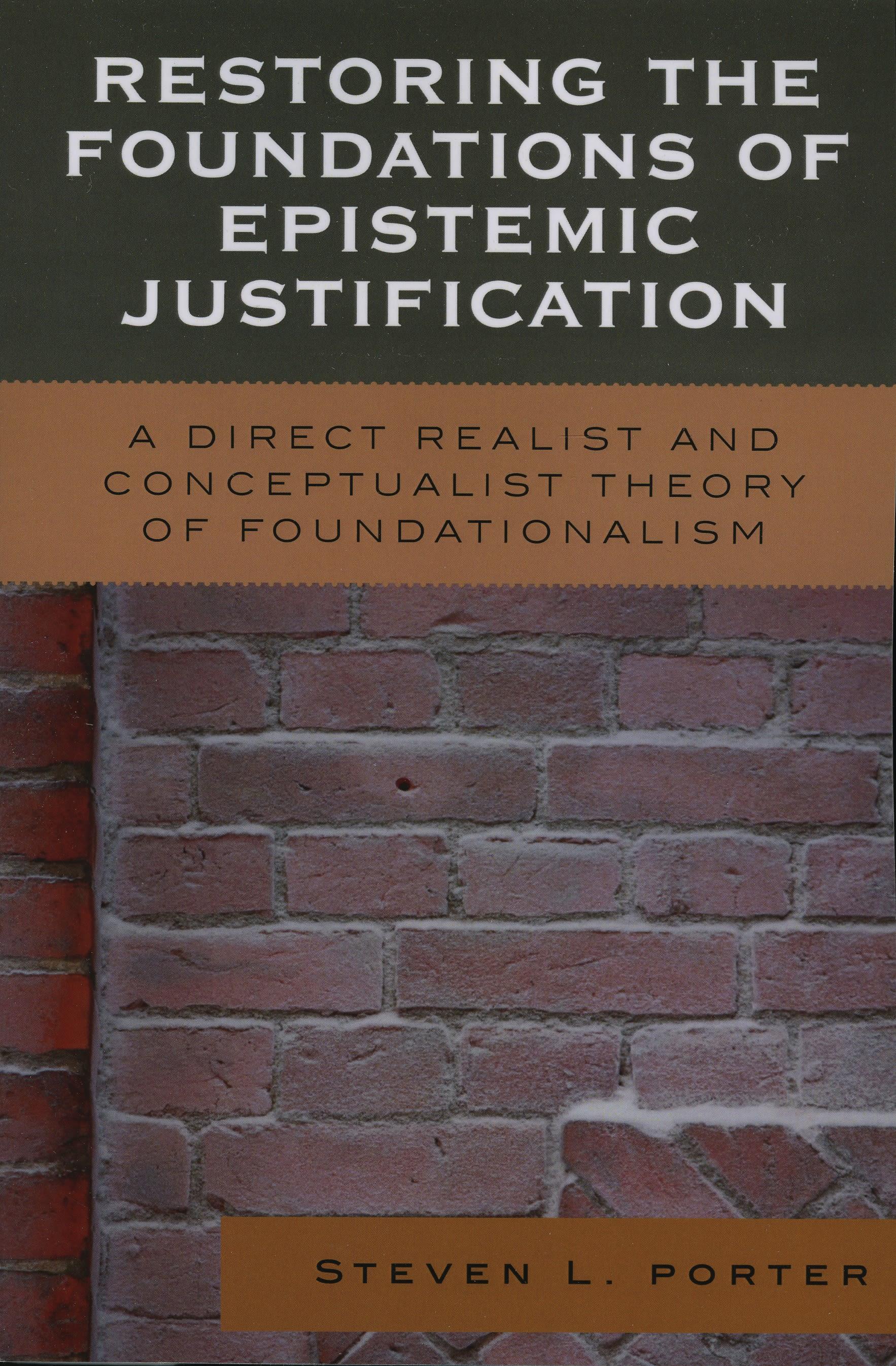
Foundationalism, as a theory of justification and knowledge, is often associated with Enlightenment rationality, the Cartesian thirst for certainty, and the modern assumption of the objectivity and universality of reason. Because of these associations, scholars in various fields have disdained foundationalism in favor of some sort of non-foundationalist/post-modern approach to knowledge and justification. This present book is one piece of a much wider conversation that hopes to motivate a renewed look at foundationalism. Of course, the foundationalism on offer has settled down quite a bit from its surly forbears. This more mild-mannered foundationalism suggests that our beliefs about reality can be held with confidence and yet these beliefs remain open to criticism and revision. It is this type of epistemology that provides a constructive basis for investigation and research while nevertheless encouraging a cognitive humility about our claims to possess truth.
Pay easily by card, Klarna, Apple Pay or Google Pay. Not happy? You always have a 14-day money-back guarantee. Read more in our terms. If you have any questions, email us at hello@memmo.org.
Memmo makes studying easier – wherever you are in the world. We bring your course books and smart study tools together in one place: summaries, quizzes, podcasts and flashcards. Plus Ted, your study buddy who answers anything you wonder. Over 50,000 students already study here – built to help you learn faster and stress less.