
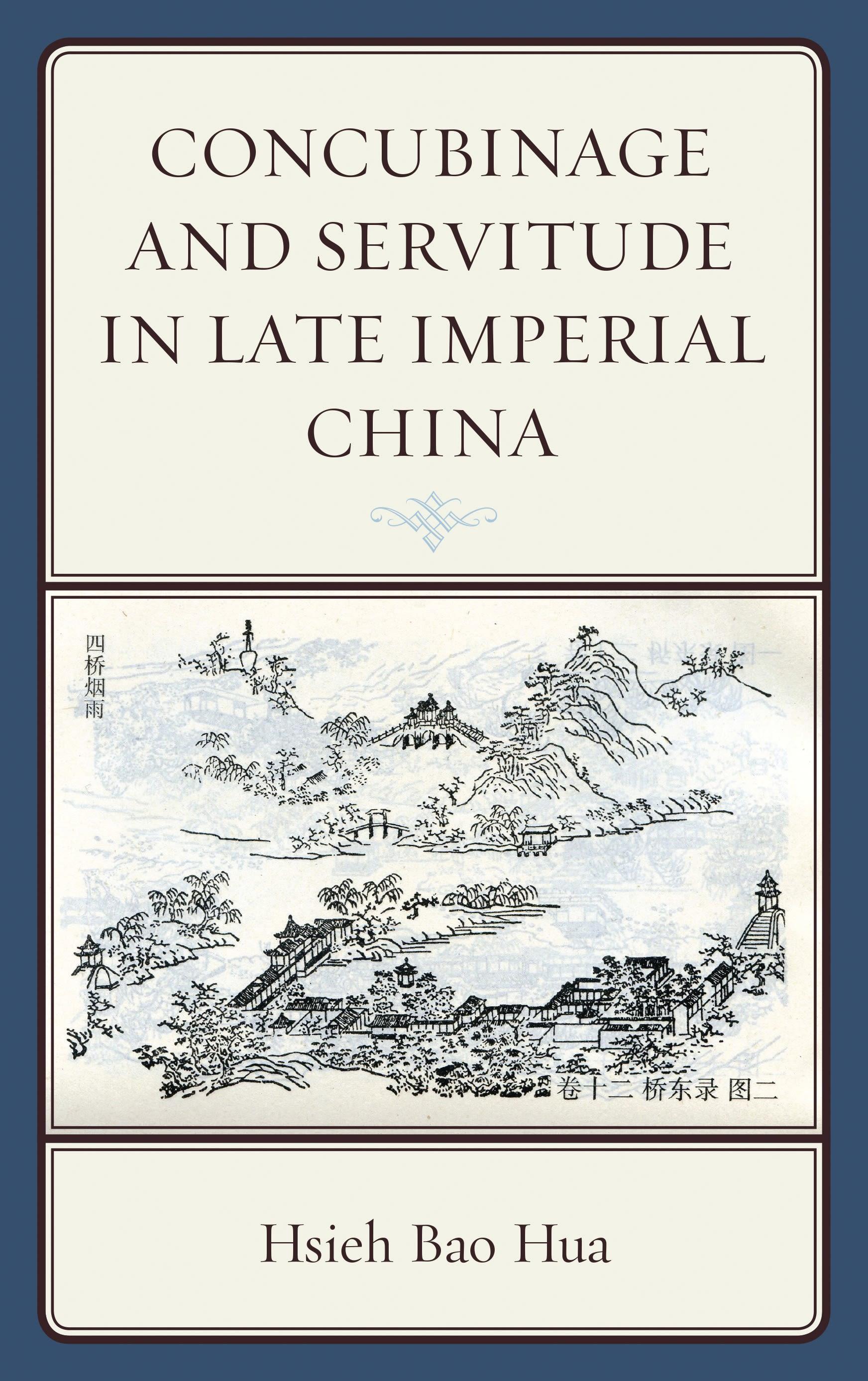
In the long course of late imperial Chinese history, servants and concubines formed a vast social stratum in the hinterland along the Grand Canal, particularly in urban areas. Concubinage and Servitude in Late Imperial China is a survey of the institutions and practice of concubinage and servitude in both the general populace and the imperial palace, with a focus on the examination of Ming-Qing political and socioeconomic history through the lives of this particular group of distinct yet associated individuals. The persistent theme of the book is how concubines, appointed by patriarchal polygamy, and servants, laboring under the master-servants hierarchy, experienced interactions and mobility within each institution and in associating with the other. While reviewing how ritual and law treated concubines and servants as patriarchal possessions, the author explores the perspectives available for individualconcubines and servants and the limitations in their daily circumstances, searching for their “positional powers” and “privilege of the inferiors” in the context of Chinese culture during the Ming-Qing time period.
For a list of the book's tables and their sources, please see: http://www.wou.edu/wp/hsiehb/
For a list of the book's tables and their sources, please see: http://www.wou.edu/wp/hsiehb/
Pay easily by card, Klarna, Apple Pay or Google Pay. Not happy? You always have a 14-day money-back guarantee. Read more in our terms. If you have any questions, email us at hello@memmo.org.
Memmo makes studying easier – wherever you are in the world. We bring your course books and smart study tools together in one place: summaries, quizzes, podcasts and flashcards. Plus Ted, your study buddy who answers anything you wonder. Over 50,000 students already study here – built to help you learn faster and stress less.