
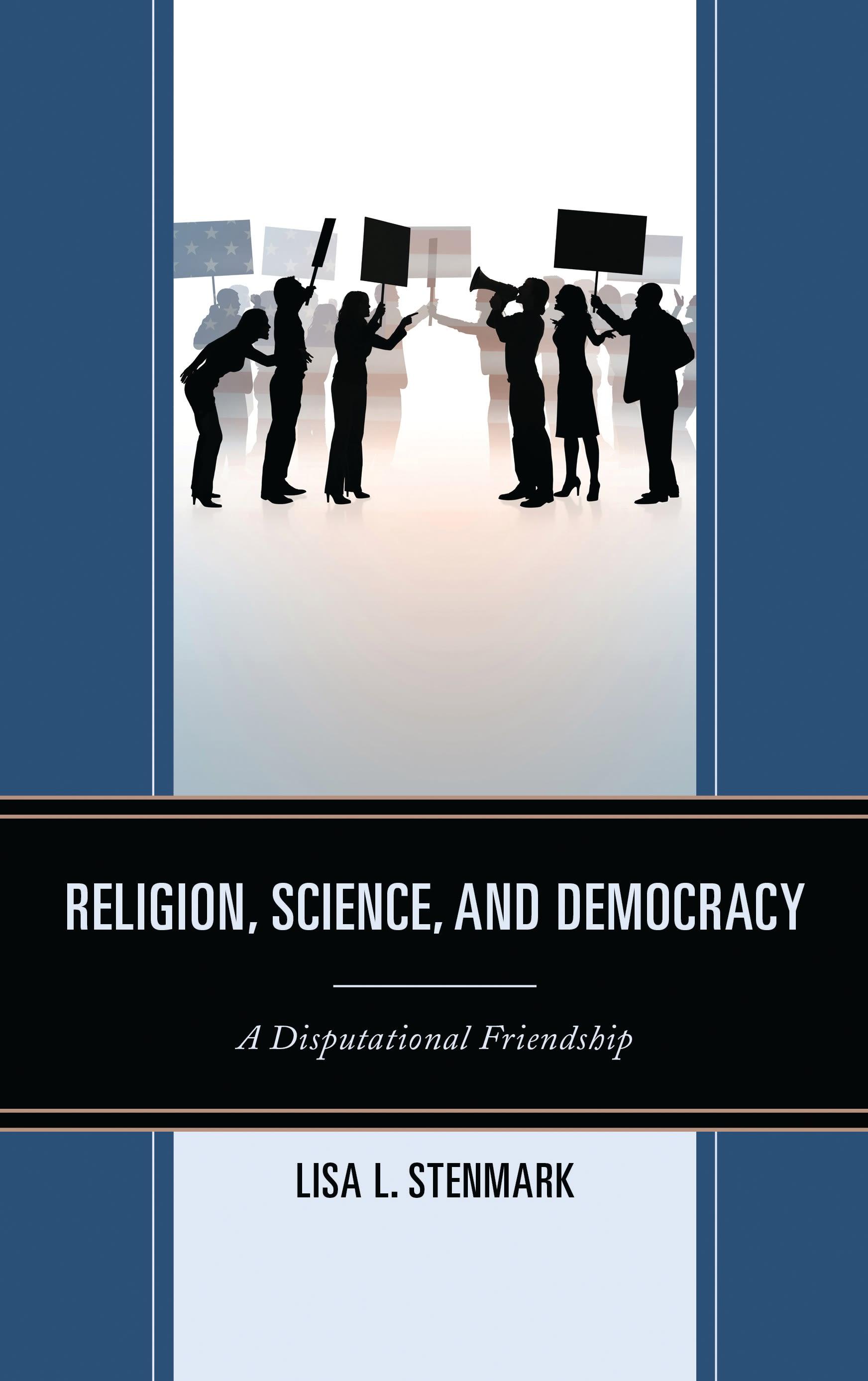
Despite the increasing popularity of “religion and science” as an academic discourse, the intersection of science and religion remains a front line in an ongoing “culture war.” The reasons for this lie in an approach to discourse that closely resembles the model of discourse promoted by John Rawls, in which plural discourse —such as between religion and science— is based on a foundation of shared beliefs and established facts. This leads to a “doctrines and discoveries” approach to the relationship of religion and science, which focuses on their respective truth claims in an attempt to find areas of agreement. This framework inherently privileges scientific perspectives, which actually increases conflict between religion and science, and undermines public discourse by inserting absolutes into it. To the extent that the science and religion discourse adopts this approach, it inadvertently increases the conflict between religion and science and limits our ability to address matters of public concern.
This book suggests an alternative model for discourse, a disputational friendship, based on the work of Hannah Arendt. This approach recognizes the role that authorities —and thus religion and science— play in public life, but undermines any attempt to privilege a particular authority, because it promotes the position of the storyteller, who never settles on a single story but always seeks to incorporate many particular stories into her account. A disputational friendship promotes storytelling not by seeking agreement, but by exploring areas of disagreement in order to create the space for more conversations and to generate more stories and additional interpretations. Successful discourse between religion and science is not measured by its ability to determine “truth” or “fact,” but by its ability to continually expand the discourse and promote public life and public judgment.
This book suggests an alternative model for discourse, a disputational friendship, based on the work of Hannah Arendt. This approach recognizes the role that authorities —and thus religion and science— play in public life, but undermines any attempt to privilege a particular authority, because it promotes the position of the storyteller, who never settles on a single story but always seeks to incorporate many particular stories into her account. A disputational friendship promotes storytelling not by seeking agreement, but by exploring areas of disagreement in order to create the space for more conversations and to generate more stories and additional interpretations. Successful discourse between religion and science is not measured by its ability to determine “truth” or “fact,” but by its ability to continually expand the discourse and promote public life and public judgment.
Pages: 248
Category: Religion & Teologi
e-ISBN: 9780739142882
Shipping weight: 1.2 kg
Ships in: 1-2 days
Pay easily by card, Klarna, Apple Pay or Google Pay. Not happy? You always have a 14-day money-back guarantee. Read more in our terms. If you have any questions, email us at hello@memmo.org.
Memmo makes studying easier – wherever you are in the world. We bring your course books and smart study tools together in one place: summaries, quizzes, podcasts and flashcards. Plus Ted, your study buddy who answers anything you wonder. Over 50,000 students already study here – built to help you learn faster and stress less.