
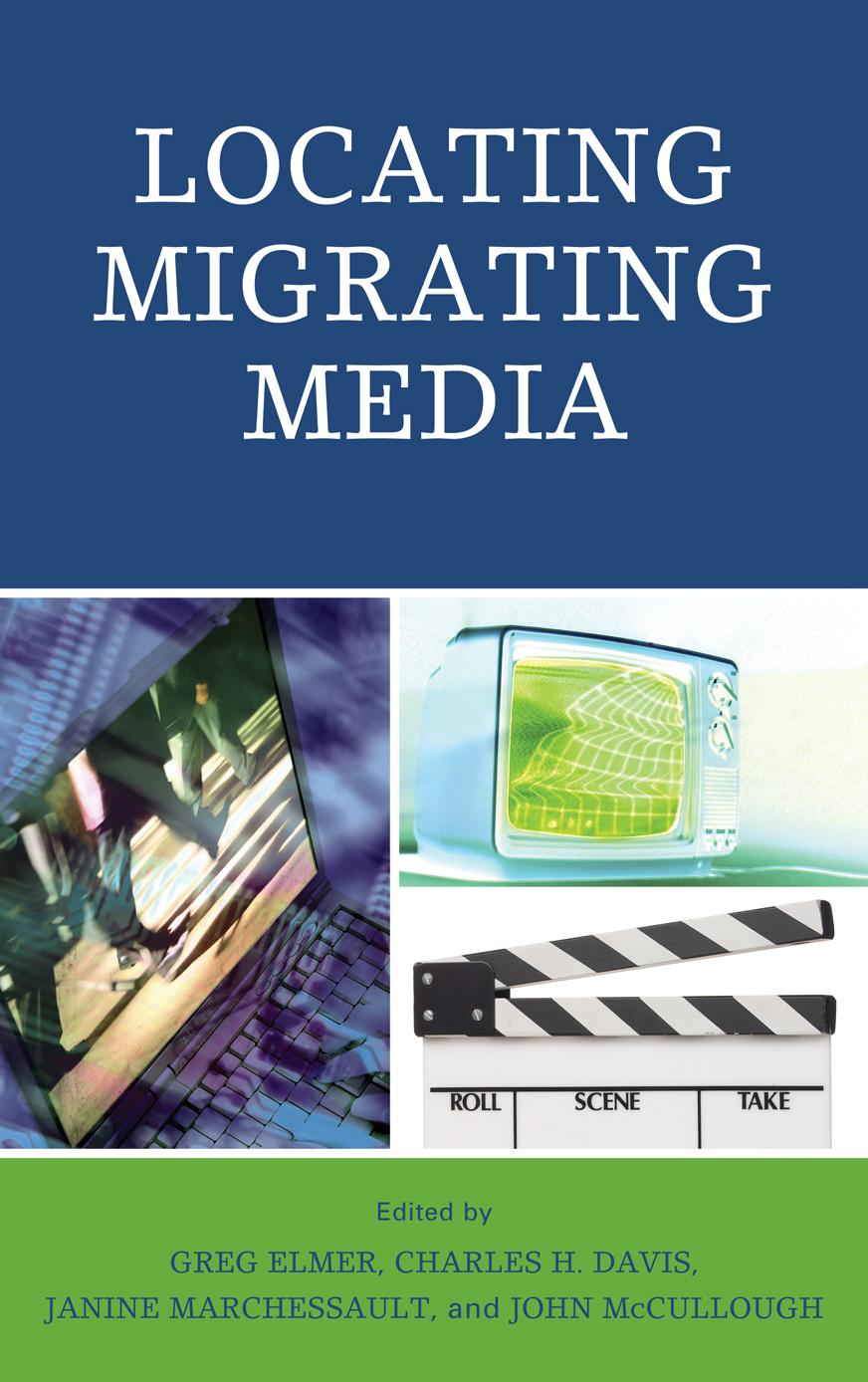
Locating Migrating Media details the extent to which media productions, both televisual and cinematic, have sought out new and cheaper shot locations, creative staff, and financing around the world. The book contributes to debates about media globalization, focusing on the local impact of new sites of media production. The book's chapters also question the role that film and television industries and local and regional governments play in broader economic develop and tax incentive schemes.
While metaphors of transportation, mobility, fluidity and change continue to serve as key concepts and frames for understanding contemporary media industries, products and processes, the essays in this book look to local spaces, neighborhoods, cultural workers and stories to ground the global-that is, to interrogate the effect of media globalization before, during and after film and television shooting and onsite production.
By locating migrating media, these chapters seek to determine the political, economic and cultural conditions that produce contemporary forms of televisual and cinematic storytelling, and how these processes affect the inhabitants, the "look" and the very geopolitical future of local communities, neighborhoods, cities and regions. The focus on relocated screen production highlights the act of film- and television-making, both aesthetically and economically. To locate migrating media is therefore to determine the political and cultural economies of globalized sets and stages, be they in new studios or on city streets or, perhaps most importantly, in our imaginations.
While metaphors of transportation, mobility, fluidity and change continue to serve as key concepts and frames for understanding contemporary media industries, products and processes, the essays in this book look to local spaces, neighborhoods, cultural workers and stories to ground the global-that is, to interrogate the effect of media globalization before, during and after film and television shooting and onsite production.
By locating migrating media, these chapters seek to determine the political, economic and cultural conditions that produce contemporary forms of televisual and cinematic storytelling, and how these processes affect the inhabitants, the "look" and the very geopolitical future of local communities, neighborhoods, cities and regions. The focus on relocated screen production highlights the act of film- and television-making, both aesthetically and economically. To locate migrating media is therefore to determine the political and cultural economies of globalized sets and stages, be they in new studios or on city streets or, perhaps most importantly, in our imaginations.
Pages: 196
Category: Film- & Medievetenskap
e-ISBN: 9780739142431
Shipping weight: 1.2 kg
Ships in: 1-2 days
Pay easily by card, Klarna, Apple Pay or Google Pay. Not happy? You always have a 14-day money-back guarantee. Read more in our terms. If you have any questions, email us at hello@memmo.org.
Memmo makes studying easier – wherever you are in the world. We bring your course books and smart study tools together in one place: summaries, quizzes, podcasts and flashcards. Plus Ted, your study buddy who answers anything you wonder. Over 50,000 students already study here – built to help you learn faster and stress less.