
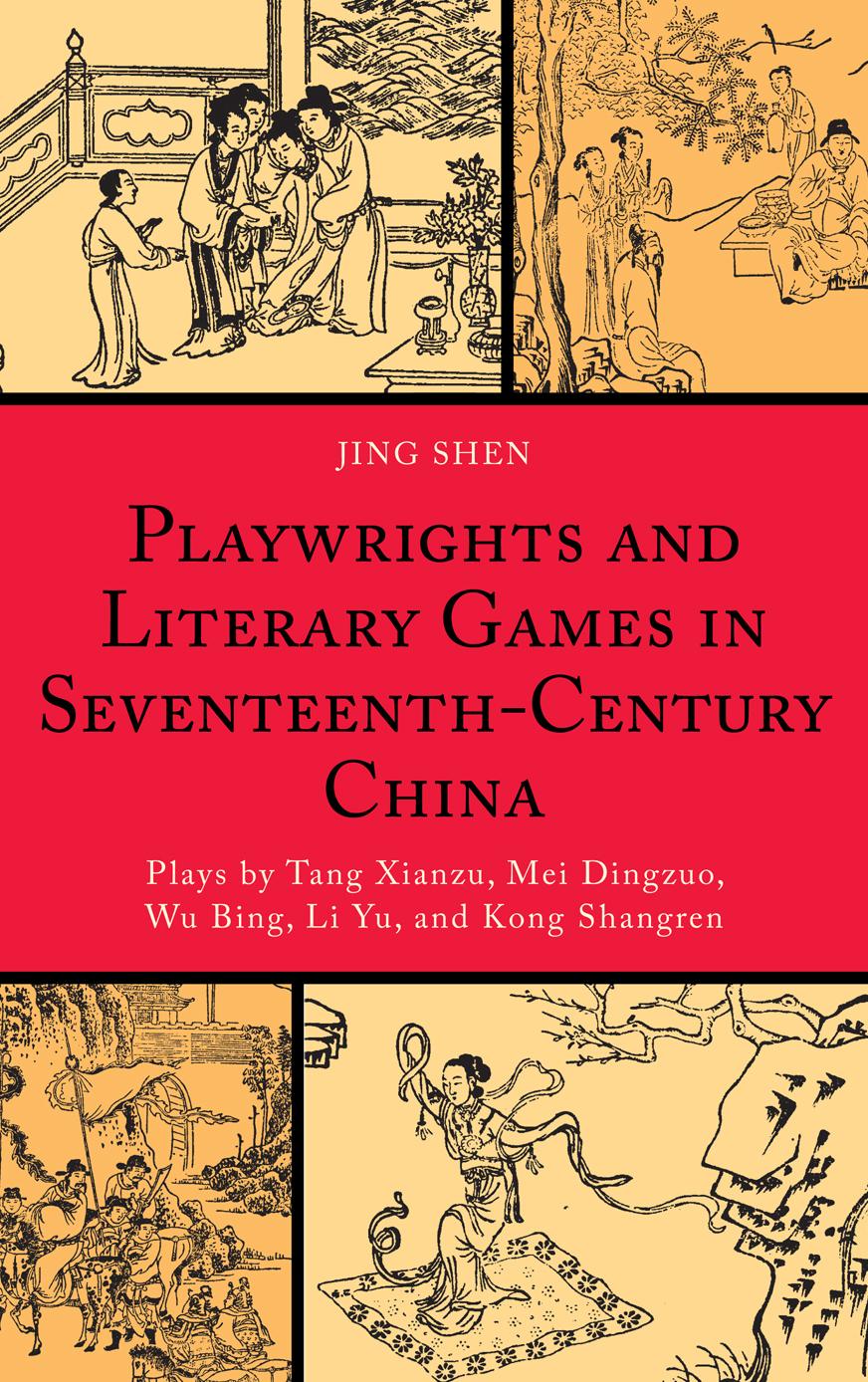
Playwrights and Literary Games in Seventeenth-Century China: Plays by Tang Xianzu, Mei Dingzuo, Wu Bing, Li Yu, and Kong Shangren is a full-length study of chuanqi (romance) drama, a sophisticated form with substantial literary and meta-theatrical value that reigned in Chinese theater from the sixteenth to eighteenth centuries and nourished later theatrical traditions including jingju (Beijing Opera). Highly educated dramatists used chuanqi to present in artistic form personal, social, and political concerns of their time. There were six outstanding examples of these trends, considered masterpieces in their time and ever since. This study presents them in their social and cultural context during the long seventeenth century (1580–1700), the period of great experimentation and political transition. The romantic spirit and independent thinking of the late Ming elite stimulated the efflorescence of the chuanqi, and that legacy was inherited and investigated during the second half of the seventeenth-century in early Qing.
Jing Shen examinees the texts to demonstrate that the playwrights appropriate, convert, or misinterpret other genres or literary works of enduring influence into their plays to convey subtle and subversive expressions in the fine margins between tradition and innovation, history and theatrical re-presentation. By exploring the components of romance in texts from late Ming to early Qing, Shen reveals creative readings of earlier themes, stories, plays and the changing idea of romanticism for chuanqi drama. This study also shows the engagement of literati playwrights in closed literary circles in which chuanqi plays became a tool by which literati playwrights negotiated their agency and social stature. The five playwrights whose works are analyzed in this book had different experiences pursuing government service as scholar-officials; some failed to achieve high office. But their common concerns and self-conscious literary choices reveal important in
Jing Shen examinees the texts to demonstrate that the playwrights appropriate, convert, or misinterpret other genres or literary works of enduring influence into their plays to convey subtle and subversive expressions in the fine margins between tradition and innovation, history and theatrical re-presentation. By exploring the components of romance in texts from late Ming to early Qing, Shen reveals creative readings of earlier themes, stories, plays and the changing idea of romanticism for chuanqi drama. This study also shows the engagement of literati playwrights in closed literary circles in which chuanqi plays became a tool by which literati playwrights negotiated their agency and social stature. The five playwrights whose works are analyzed in this book had different experiences pursuing government service as scholar-officials; some failed to achieve high office. But their common concerns and self-conscious literary choices reveal important in
Pay easily by card, Klarna, Apple Pay or Google Pay. Not happy? You always have a 14-day money-back guarantee. Read more in our terms. If you have any questions, email us at hello@memmo.org.
Memmo makes studying easier – wherever you are in the world. We bring your course books and smart study tools together in one place: summaries, quizzes, podcasts and flashcards. Plus Ted, your study buddy who answers anything you wonder. Over 75,000 students already study here – built to help you learn faster and stress less.