
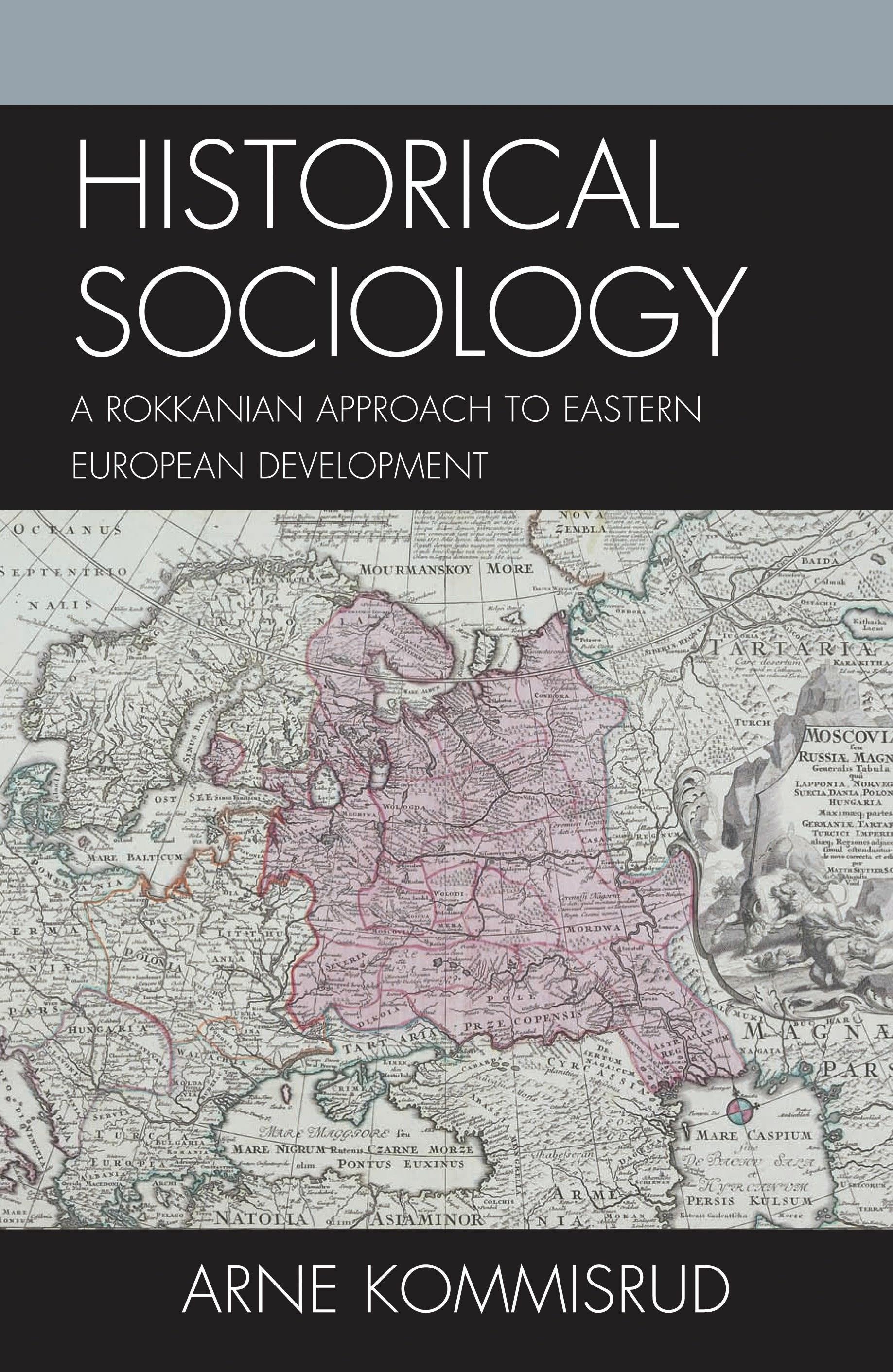
An innovator in theoretical approaches in the social sciences, Stein Rokkan developed general models, developmental models, and conceptual maps that specified the main variables and important relationships in European political history. In Historical Sociology, Arne Kommisrud tests these general hypotheses against specific historical and regional contexts. He uses the case of Eastern Europe after the downfall of the Berlin Wall to extend the geography of the model's range, and introduces possibilities for theoretical modification through an analysis of sequential interactions.
Covering a period from the Middle Ages through the 1990s, and addressing phenomena overlooked by Rokkan such as statebuilding and nationalism, this book demonstrates that Rokkan's models continue to be relevant to modern political science and sociology. Kommisrud's study is a valuable contribution to Rokkanian approaches and the understanding of Eastern European development within the historical and geographic context of Europe as a whole.
Covering a period from the Middle Ages through the 1990s, and addressing phenomena overlooked by Rokkan such as statebuilding and nationalism, this book demonstrates that Rokkan's models continue to be relevant to modern political science and sociology. Kommisrud's study is a valuable contribution to Rokkanian approaches and the understanding of Eastern European development within the historical and geographic context of Europe as a whole.
Pay easily by card, Klarna, Apple Pay or Google Pay. Not happy? You always have a 14-day money-back guarantee. Read more in our terms. If you have any questions, email us at hello@memmo.org.
Memmo makes studying easier – wherever you are in the world. We bring your course books and smart study tools together in one place: summaries, quizzes, podcasts and flashcards. Plus Ted, your study buddy who answers anything you wonder. Over 50,000 students already study here – built to help you learn faster and stress less.