
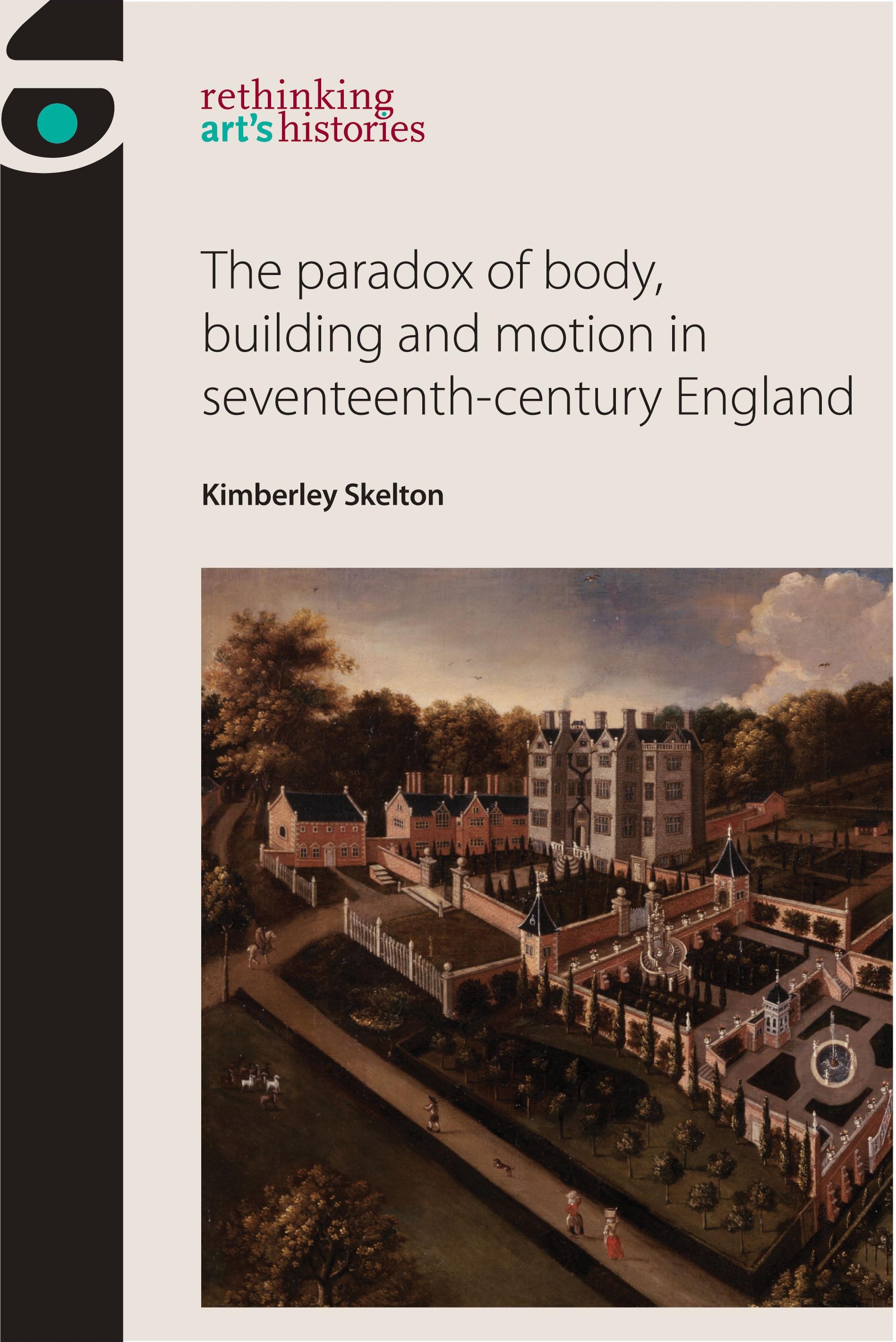
This book examines how seventeenth-century English architectural theorists and designers rethought the domestic built environment in terms of mobility, as motion became a dominant mode of articulating the world across discourses encompassing philosophy, political theory, poetry, and geography. From mid-century, the house and estate that had evoked staccato rhythms became triggers for mental and physical motion – evoking travel beyond England’s shores, displaying vistas, and showcasing changeable wall surfaces. Simultaneously, philosophers and other authors argued for the first time that, paradoxically, the blur of motion immobilised an inherently restless viewer into social predictability and so stability. Alternately feared and praised early in the century for its unsettling unpredictability, motion became the most certain way of comprehending social interactions, language, time, and the buildings that filtered human experience. At the heart of this narrative is the malleable sensory viewer, tacitly assumed in early modern architectural theory and history yet whose inescapable responsiveness to surrounding stimuli guaranteed a dependable world from the seventeenth century.
Pay easily by card, Klarna, Apple Pay or Google Pay. Not happy? You always have a 14-day money-back guarantee. Read more in our terms. If you have any questions, email us at hello@memmo.org.
Memmo makes studying easier – wherever you are in the world. We bring your course books and smart study tools together in one place: summaries, quizzes, podcasts and flashcards. Plus Ted, your study buddy who answers anything you wonder. Over 75,000 students already study here – built to help you learn faster and stress less.
You might also like
Buy the book0