
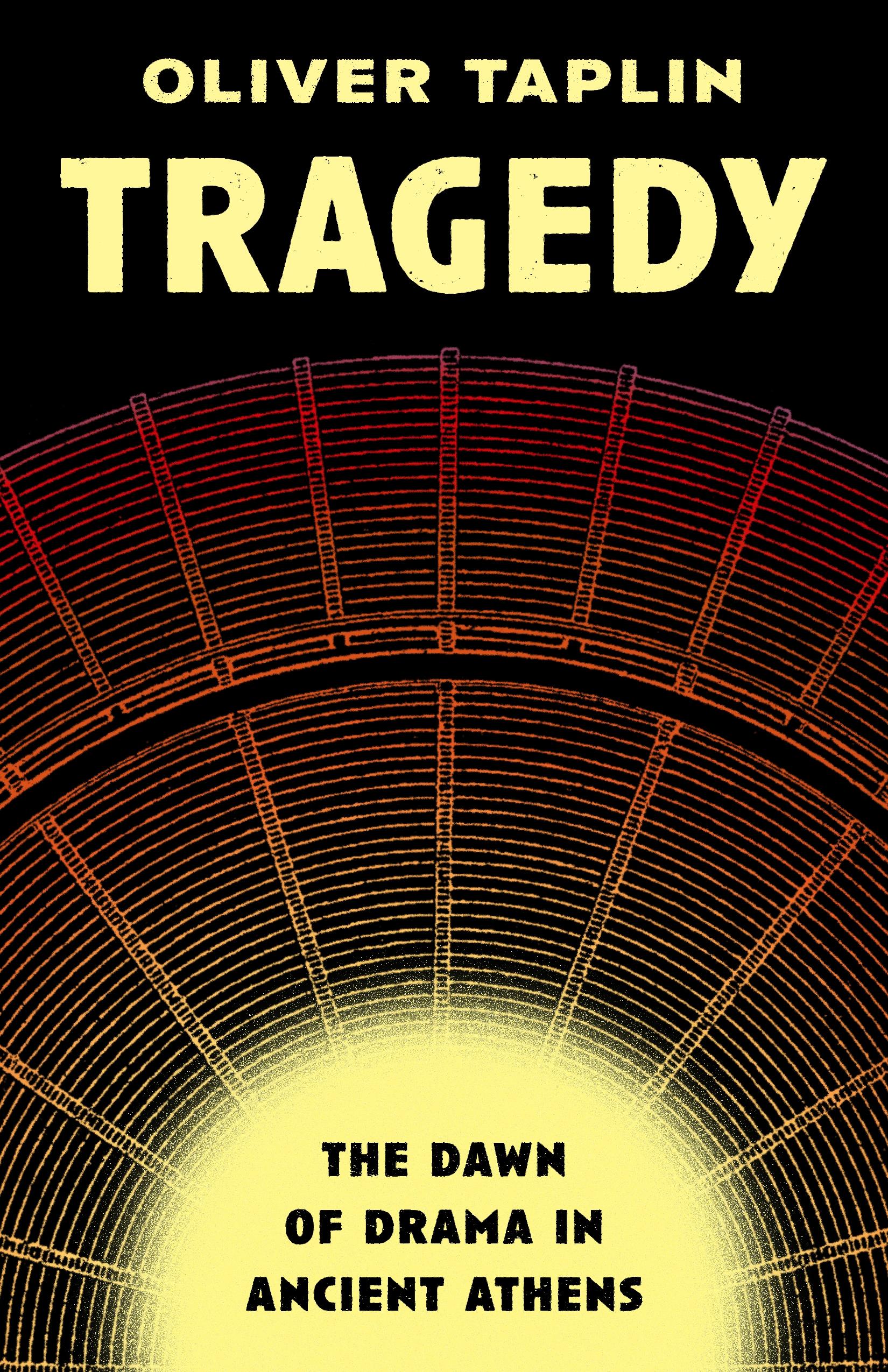
A major new history of the revolutionary invention of tragedy that sheds fresh and surprising light on both ancient and modern drama
Why did tragedy come into being—and why is it still so important 2,500 years after it first arose in fifth-century Athens? Does it serve a deeper purpose beyond entertainment? And was the birth of tragedy at the same time and place as the birth of democracy more than a coincidence? In this book, Oliver Taplin, one of the world’s leading authorities on ancient Greek drama, confronts these fascinating questions by offering a lively, personal and radical new account of how and why this transformative art form happened. By illuminating the foundations of Greek theatre, he offers surprising new insights into both ancient performance and the persistent power of drama.
Tragedy reveals the collaborations that were needed for the new theatrical events to be staged at the Festival of Dionysus each spring—turning storytelling into “story-doing.” It explores the bold theatricality of the earliest plays, especially those of Aeschylus. And it maps the profound impact dramatic performances must have had on their first audiences. Most of all, the book argues that drama, although enabled by democracy, did not reassuringly endorse the standard attitudes of its audience of male Athenian citizens. To the contrary, plays encouraged them to empathise with others, especially women and the disempowered.
As Tragedy persuasively argues, the combination of highly crafted performance and deep engagement with the sufferings of others in Greek drama helped to strengthen its audiences, like an inoculation, to face up to the pains of being fallible and mortal. And in doing so, Greek tragedy planted the seeds of drama’s rich flowerings down to today.
Pay easily by card, Klarna, Apple Pay or Google Pay. Not happy? You always have a 14-day money-back guarantee. Read more in our terms. If you have any questions, email us at hello@memmo.org.
Memmo makes studying easier – wherever you are in the world. We bring your course books and smart study tools together in one place: summaries, quizzes, podcasts and flashcards. Plus Ted, your study buddy who answers anything you wonder. Over 75,000 students already study here – built to help you learn faster and stress less.