
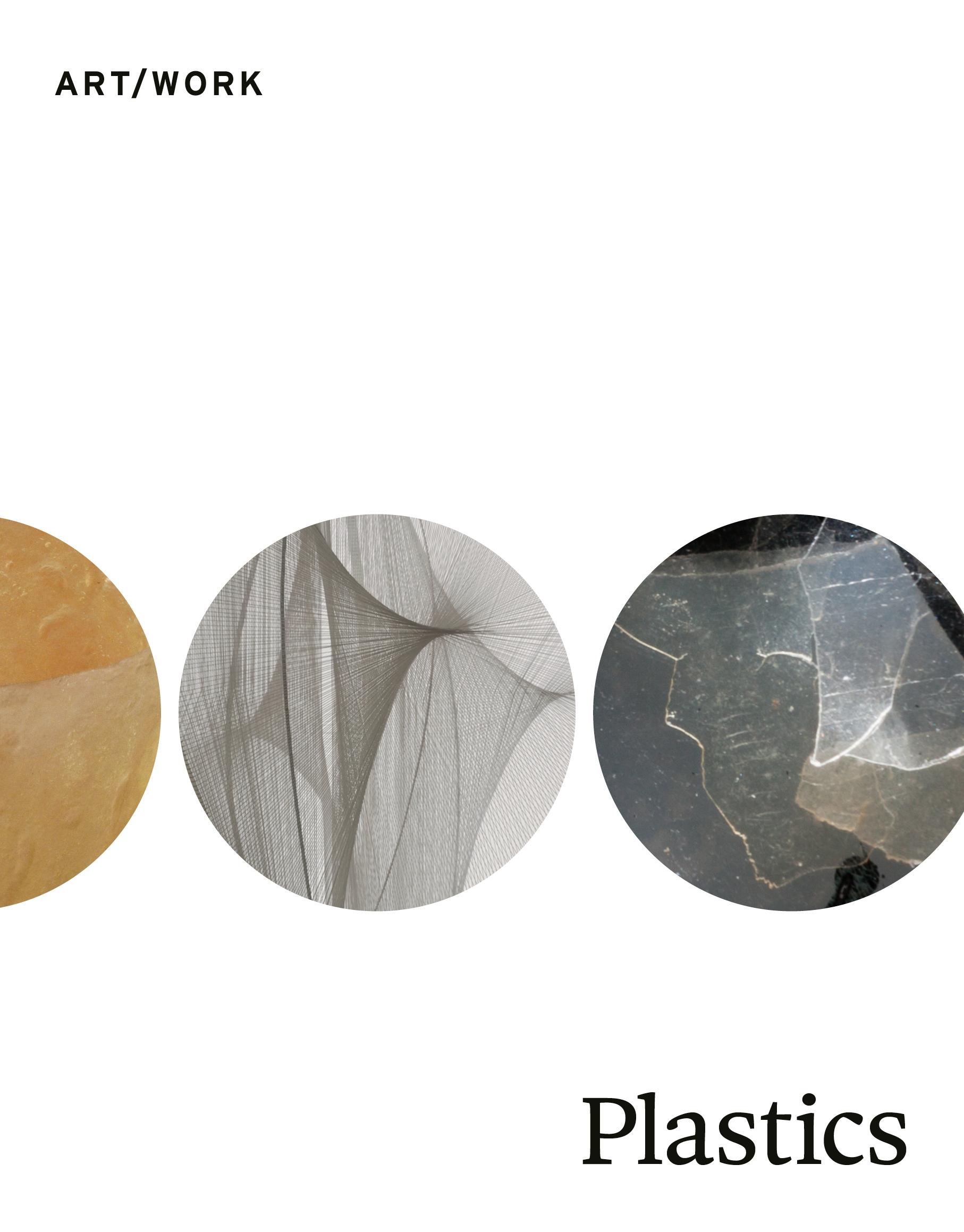
Why modern and contemporary art—and art conservation—can’t be understood without taking account of the revolutionary impact of plastics
Modern and contemporary art wouldn’t exist without the invention of plastics. From sculpture to paint, and photography to film, plastics have shaped every major medium of art. In turn, plastics have revolutionized art conservation, transforming the possibilities of preservation but also producing new challenges for conservators struggling to preserve toxic and degrading material. Hailed as utopian in the twentieth century, plastics today are often understood as pollution and waste—a central cause of ecological crisis. Plastics is the first book to address the multifaceted history of plastics from the perspective of artists, art historians, conservators, and environmental scientists.
Plastics demonstrates that this material cannot easily be summarized as toxic or utopian, catastrophic or necessary. Instead, plastics define the modern world in both its possibility and failures. The book also reveals how artists have been a critical overlooked voice in debates about plastics, and how they have offered theories of the material through works that explore its potential and harmfulness.
Presenting a variety of perspectives on the world of plastics through the lens of art, artmaking, art history, and art conservation, Plastics shows why and how coming to terms with this material is critical to understanding not only modern and contemporary art and art conservation but also the crises of the twenty-first century.
Pay easily by card, Klarna, Apple Pay or Google Pay. Not happy? You always have a 14-day money-back guarantee. Read more in our terms. If you have any questions, email us at hello@memmo.org.
Memmo makes studying easier – wherever you are in the world. We bring your course books and smart study tools together in one place: summaries, quizzes, podcasts and flashcards. Plus Ted, your study buddy who answers anything you wonder. Over 50,000 students already study here – built to help you learn faster and stress less.