
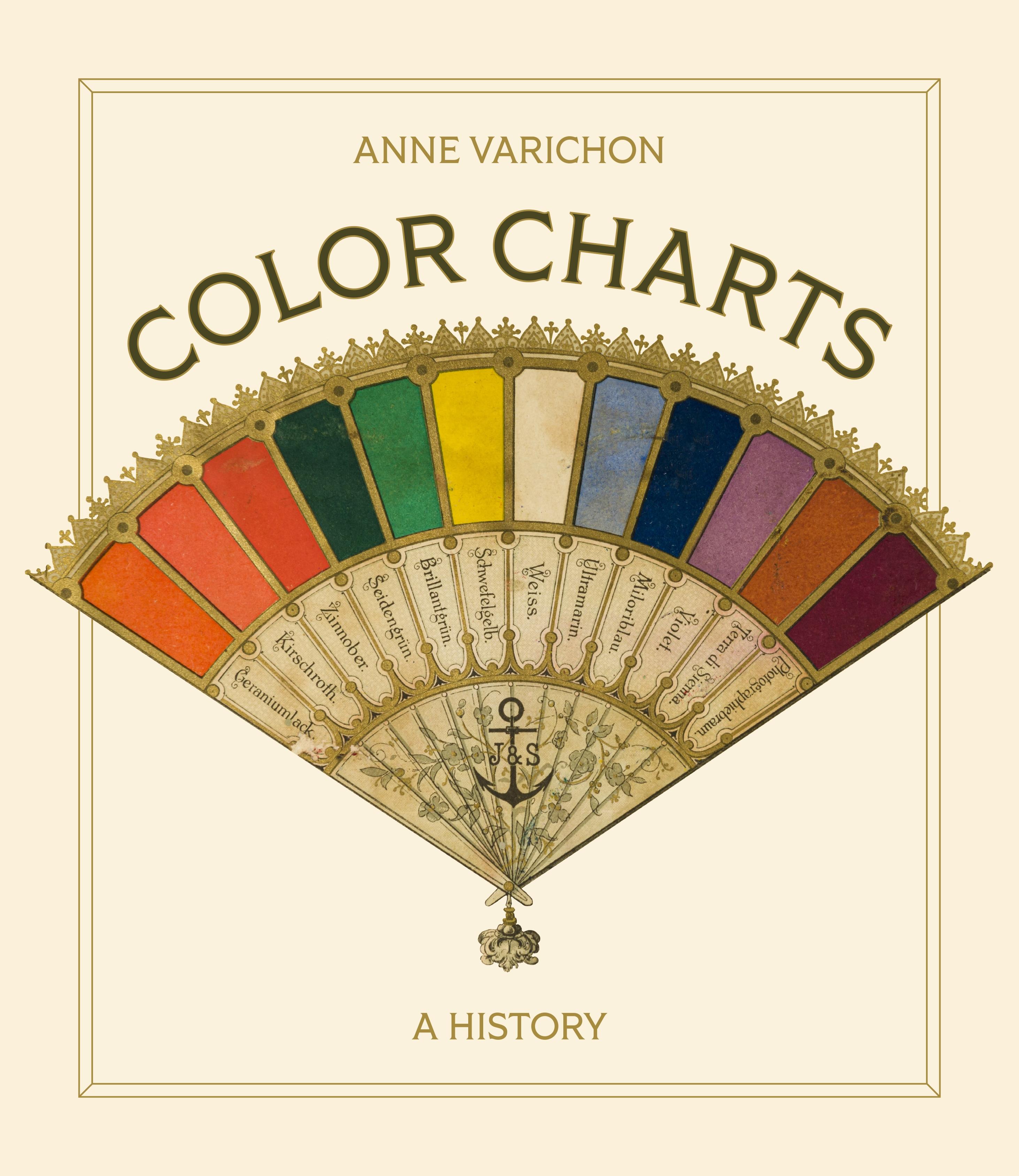
A beautifully illustrated history of the many inventive, poetic, and alluring ways in which color swatches have been selected and staged
The need to categorize and communicate color has mobilized practitioners and scholars for centuries. Color Charts describes the many different methods and ingenious devices developed since the fifteenth century by doctors, naturalists, dyers, and painters to catalog fragments of colors. With the advent of industrial society, manufacturers and merchants developed some of the most beautiful and varied tools ever designed to present all the available colors. Thanks to them, society has discovered the abundance of color embodied in a plethora of materials: cuts of fabric, leather, paper, and rubber; slats of wood and linoleum; delicate skeins of silk; careful deposits of paint and pastels; fragments of lipstick; and arrangements of flower petals. These samples shape a visual culture and a chromatic vocabulary and instill a deep desire for color.
Anne Varichon traces the emergence of modern color charts from a set of processes developed over the centuries in various contexts. She presents illuminating examples that bring this remarkable story to life, from ancient writings revealing attention to precise shade to contemporary designers’ color charts, dyers’ notebooks, and Werner’s famous color nomenclature. Varichon argues that color charts have linked generations of artists, artisans, scientists, industrialists, and merchants, and have played an essential and enduring role in the way societies think about color.
Drawing on nearly two hundred documents from public and private collections, almost all of them previously unpublished, this wonderfully illustrated book shows how the color chart, in its many distinct forms and expressions, is a practical tool that has transcended its original purpose to become an educational aid and subject of contemplation worthy of being studied and admired.
Pay easily by card, Klarna, Apple Pay or Google Pay. Not happy? You always have a 14-day money-back guarantee. Read more in our terms. If you have any questions, email us at hello@memmo.org.
Memmo makes studying easier – wherever you are in the world. We bring your course books and smart study tools together in one place: summaries, quizzes, podcasts and flashcards. Plus Ted, your study buddy who answers anything you wonder. Over 50,000 students already study here – built to help you learn faster and stress less.