
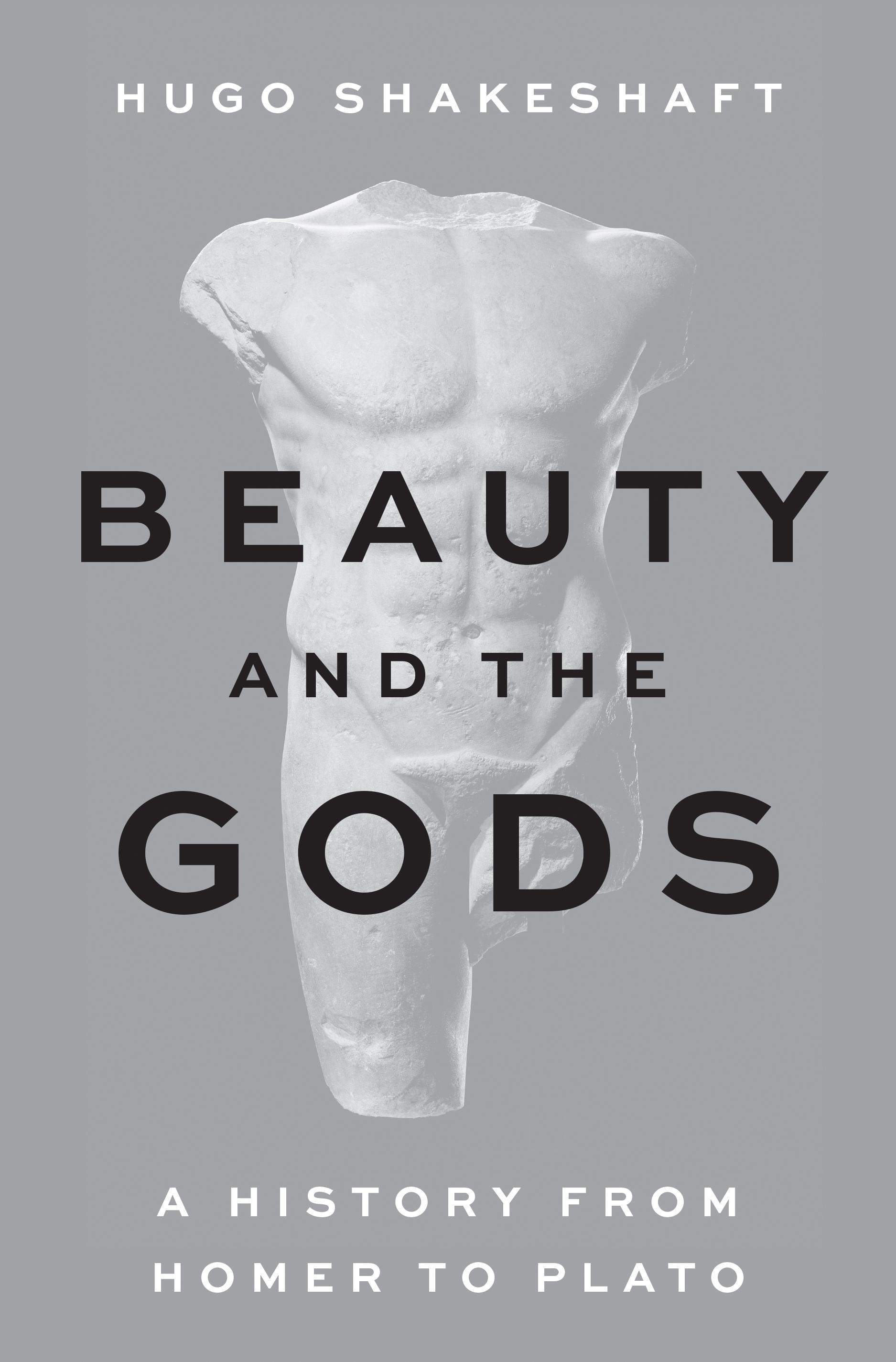
How ideas and experiences of beauty informed human relationships with the divine in ancient Greece
Beginning with the earliest Greek literature, the epics of Homer and Hesiod, beauty was seen as having a special connection with the divine. The gods of ancient Greece were defined by their exceptional beauty; even today, ‘to look like a Greek god’ is proverbial for human beauty. In Beauty and the Gods, Hugo Shakeshaft explores the relationship between the beautiful and divine in ancient Greece, principally in the Archaic period (ca. 750–480 BCE). Analysing evidence that ranges from poetry, art, and philosophical texts to architecture and the natural landscape, Shakeshaft shows how ideas and experiences of beauty shaped Greek relations with the divine.
With a powerful call for the place of beauty and aesthetics in the writing of history, Shakeshaft uncovers the cultural dialogue between beauty and the gods in a variety of contexts in the Archaic Greek world: in forms of divine worship; in poetry, music, and dance; in attitudes to the natural environment; and in architecture and art. This early chapter of Greek history, he argues, holds an unrecognised key to understanding some long-running threads in the histories of religion, art, and aesthetics, from Plato’s aesthetic theories to beauty’s status in contemporary discourse. Beauty’s deep past and divine connection in ancient Greece can help us see beauty now in sharper focus.
Pay easily by card, Klarna, Apple Pay or Google Pay. Not happy? You always have a 14-day money-back guarantee. Read more in our terms. If you have any questions, email us at hello@memmo.org.
Memmo makes studying easier – wherever you are in the world. We bring your course books and smart study tools together in one place: summaries, quizzes, podcasts and flashcards. Plus Ted, your study buddy who answers anything you wonder. Over 75,000 students already study here – built to help you learn faster and stress less.